Published on TeaFlush.com | Your Complete Tea & Wellness Resource
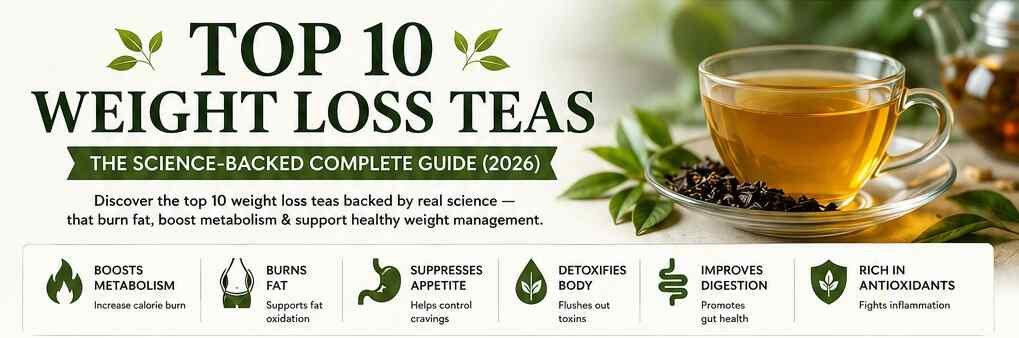
You already know that tea is good for you. But did you know that the right tea — brewed correctly, drunk consistently, and paired with a balanced lifestyle — can genuinely support your weight loss journey?
Not through magic. Not through dramatic detox promises. Through real, measurable biochemistry: compounds in tea that boost your resting metabolic rate, increase fat oxidation, regulate blood sugar, reduce appetite, reshape your gut microbiome, and cut the stress hormones that drive fat storage.
The science is real. A landmark 2024 systematic review and network meta-analysis published in the British Journal of Nutrition compared the effects of tea and coffee on body weight across multiple randomised trials — and found that tea consumption was consistently associated with meaningful reductions in body weight and BMI. A 2025 study published in ScienceDaily showed that green tea may help the body burn fat and balance blood sugar, improving metabolism and muscle health in obese subjects.
Table of Contents
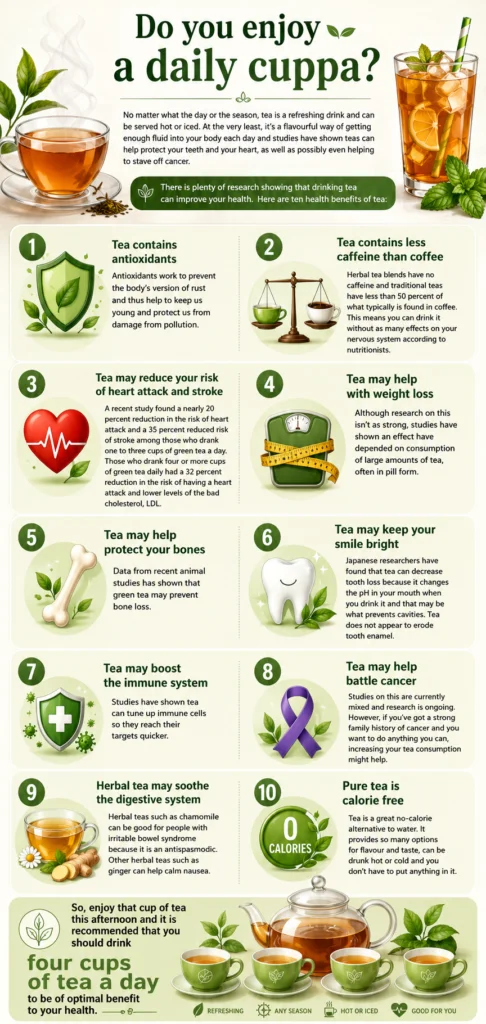
But not all teas work the same way. Different teas contain different active compounds — catechins, theaflavins, polyphenols, theobromine, gingerols, anthocyanins — and each of these acts through a different metabolic mechanism. Knowing which tea does what, and when and how to drink it, is the difference between a pleasant habit and a genuinely effective weight management tool.
This is the guide that explains all of it. Here are the Top 10 Weight Loss Teas, ranked by scientific evidence, with everything you need to know about each one.
⚠️ Important Disclaimer
Tea supports weight loss — it does not cause it in isolation. Every tea in this list works best as part of a balanced diet, regular physical activity, adequate sleep, and overall healthy lifestyle. No tea will compensate for a caloric surplus or replace medical treatment for obesity. If you have a medical condition or are taking medication, consult your healthcare provider before adding new teas to your routine.
How Tea Supports Weight Loss: The Science at a Glance
Before ranking the teas, it helps to understand the five primary mechanisms through which tea compounds support weight management:
| Mechanism | What It Means | Key Compounds |
|---|---|---|
| Thermogenesis | Increases body temperature and heat production, burning more calories | Caffeine, EGCG, gingerols |
| Fat Oxidation | Stimulates the breakdown of stored fat for fuel | EGCG, catechins, oolong polyphenols |
| Metabolic Rate Boost | Increases resting energy expenditure (calories burned at rest) | Caffeine + EGCG synergy |
| Appetite Regulation | Reduces hunger hormones and cravings | L-theanine, fibre-like polyphenols |
| Blood Sugar Regulation | Stabilises glucose levels to prevent cravings and fat storage | Catechins, polyphenols, anthocyanins |
| Gut Microbiome Support | Promotes beneficial bacteria that regulate fat metabolism | Pu-erh compounds, polyphenols |
| Cortisol Reduction | Lowers stress hormones that trigger belly fat storage | L-theanine, ashwagandha (herbal) |
The Top 10 Weight Loss Teas
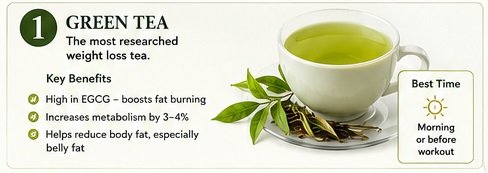
🥇 #1: Green Tea — The Most Scientifically Proven Weight Loss Tea
Type: True tea (Camellia sinensis, unoxidized)
Caffeine: Moderate (25–45 mg per cup)
Best For: Metabolism boost, fat oxidation, belly fat reduction
Strength of Evidence: ⭐⭐⭐⭐⭐ (Strongest)
If there is a single tea that has been most rigorously studied for weight loss, it is green tea. With hundreds of published clinical trials, systematic reviews, and meta-analyses behind it, green tea’s metabolic benefits are the most robustly validated of any beverage.
How Green Tea Promotes Weight Loss
EGCG + Caffeine Synergy — The Core Mechanism
Green tea’s primary weight-loss mechanism lies in the synergy between its two key compounds: EGCG (Epigallocatechin gallate) — the most potent catechin antioxidant found in tea — and caffeine.
Green tea contains bioactive substances that may help boost your metabolism and break down fat cells. Some studies found that green tea extract may help boost resting metabolic rate (RMR), which could help you burn more calories at rest by increasing your total energy expenditure.
Together, EGCG and caffeine act on the sympathetic nervous system — increasing the release of norepinephrine, which signals fat cells to break down stored fat and release it into the bloodstream for use as fuel. This process — lipolysis — is directly stimulated by green tea’s compound combination.
New research published in 2025 shows green tea may help the body burn fat and balance blood sugar — improving metabolism and muscle health in obese subjects without harming lean individuals.
Clinical Evidence
A systematic review conducted across PubMed and Web of Science, identifying 14 relevant clinical studies from 2016–2024, found that 11 studies (78.5%) showed that green tea supplementation is effective in reducing body weight and BMI, particularly when combined with exercise.
A 2024 review also found that taking green tea supplements and engaging in regular exercise may help with weight management.
A separate 2024 time- and dose-response meta-analysis of randomised controlled trials specifically in overweight and obese women (Critical Reviews in Food Science and Nutrition) confirmed significant reductions in body weight and waist circumference with green tea supplementation.
Additional Weight Management Benefits
- Reduces belly fat (visceral adipose tissue) specifically — the most metabolically dangerous fat
- Improves insulin sensitivity, reducing post-meal blood sugar spikes that drive fat storage
- Mild appetite suppression through L-theanine’s effect on satiety hormones
- Boosts fat oxidation during exercise by 17–20% (multiple studies)
Best Green Teas for Weight Loss
| Variety | Character | Best Time to Drink |
|---|---|---|
| Sencha | Grassy, clean, medium catechins | Morning, pre-workout |
| Gyokuro | Shade-grown, highest L-theanine and EGCG | Morning, focused work |
| Dragonwell (Longjing) | Nutty, smooth, well-rounded | Morning, afternoon |
| Darjeeling Green | Floral, light, Himalayan terroir | Any time, delicate |
How to Brew Green Tea for Maximum Weight Loss Benefit
| Parameter | Optimal |
|---|---|
| Temperature | 75–85°C (never boiling — destroys EGCG) |
| Amount | 2–3 g per 200 ml |
| Steep time | 2–3 minutes |
| Frequency | 3–5 cups per day |
| Milk / Sugar | Never — reduces catechin bioavailability |
| Best time | 30 minutes before meals or exercise |
Pro tip: Brew green tea in the morning or 30 minutes before exercise. The caffeine-EGCG combination is most effective at enhancing fat oxidation during physical activity.
🥈 #2: Matcha — Concentrated Green Tea for Maximum Impact
Type: Powdered whole-leaf green tea (Camellia sinensis)
Caffeine: High (35–70 mg per serving, depending on preparation)
Best For: Maximum EGCG dose, sustained energy, appetite control
Strength of Evidence: ⭐⭐⭐⭐⭐ (Very Strong)
If green tea is the science-backed weight loss champion, matcha is its concentrated, turbocharged form. Because you consume the entire leaf as a powder — rather than steeping and discarding leaves — matcha delivers roughly 3x the EGCG and 10x the antioxidants of a standard cup of brewed green tea.
How Matcha Promotes Weight Loss
Concentrated EGCG Delivery
Matcha, a form of powdered green tea, saw a surge in popularity due to its high concentration of EGCG, a catechin that aids in boosting metabolism and burning fat.
Because the whole leaf is ingested rather than steeped and strained, every EGCG molecule and every L-theanine molecule in the leaf reaches your bloodstream. No catechins left behind in wet tea leaves.
L-Theanine + Caffeine: The Focus-Energy Matrix
Matcha is shade-grown — a cultivation method that dramatically increases the leaf’s chlorophyll and L-theanine content as a stress response to low light. The resulting combination of higher caffeine AND higher L-theanine creates matcha’s signature effect: calm, sustained energy — focused alertness without the cortisol spike that coffee often triggers. This is important for weight management because elevated cortisol directly promotes abdominal fat storage.
Thermogenic Effect
Studies specifically on matcha show a notable thermogenic effect — the body producing more heat to metabolise the catechin load, burning more calories in the process. One study found that matcha consumption before exercise increased fat burning during moderate-intensity cycling by 35%.
Chlorophyll and Fibre
Matcha’s whole-leaf composition means it contains chlorophyll and small amounts of dietary fibre — both associated with improved satiety and digestive health that support longer-term weight management.
How to Use Matcha for Weight Loss
| Method | Preparation | Notes |
|---|---|---|
| Traditional Matcha | 1–2 g whisked in 80°C water | Purest form, maximum EGCG |
| Matcha Latte | 1–2 g + warm oat or almond milk | Use plant milk only — dairy reduces catechin absorption |
| Cold Matcha | 1 g + cold filtered water, shaken | Refreshing, all benefits preserved |
| Pre-workout shot | 1.5 g in small amount hot water | 30 min before exercise for maximum fat oxidation |
Frequency: 1–2 servings per day maximum — matcha’s higher caffeine content means moderation is essential.
🥉 #3: Oolong Tea — The Fat-Burning Middle Path
Type: True tea (Camellia sinensis, partially oxidized 15–85%)
Caffeine: Moderate (30–55 mg per cup)
Best For: Fat oxidation, metabolism boost, blocking fat-building enzymes
Strength of Evidence: ⭐⭐⭐⭐½ (Very Strong)
Oolong tea occupies a unique position in the weight loss landscape: it sits between green tea and black tea in oxidation, and appears to combine fat-burning mechanisms from both categories while adding some of its own. Regular oolong tea consumption can help with weight loss by boosting your metabolism, increasing body fat burning, and promoting feelings of fullness — all of which make sustainable weight management more achievable.
How Oolong Tea Promotes Weight Loss
Dual-Spectrum Polyphenols
Because oolong is partially oxidized, it contains a unique mix of both catechins (like green tea) and theaflavins (like black tea). Oolong tea’s combination of polyphenols, catechins, caffeine, flavonols, and theaflavins has attracted attention for potential metabolic benefits. Research shows that oolong tea influences energy expenditure, insulin sensitivity, and weight management.
Fat-Building Enzyme Inhibition
One of oolong’s most distinctive weight-management mechanisms is its ability to inhibit pancreatic lipase — the enzyme responsible for breaking down dietary fats for absorption. By partially inhibiting this enzyme, oolong reduces the amount of fat absorbed from a meal. Pu-erh tea and certain hibiscus extracts have shown ability to inhibit pancreatic lipase, the enzyme responsible for breaking down fats in the digestive tract. By slowing this process, a smaller percentage of dietary fat may be absorbed. Oolong shares this mechanism.
Metabolic Rate Elevation
A classic study published in The Journal of Nutrition found that oolong tea increases metabolic rate and fat oxidation in men. The effect persisted for hours after consumption — making oolong an especially efficient metabolic enhancer relative to its caffeine content.
Blood Sugar Stabilization
Oolong’s polyphenols are particularly effective at reducing post-meal blood glucose spikes — a critical factor in preventing fat storage and managing hunger. Stable blood sugar = fewer cravings = reduced caloric intake over time.
Oolong Tea Varieties for Weight Loss
| Variety | Oxidation | Best Weight-Loss Use |
|---|---|---|
| Tie Guan Yin | 15–30% | Pre-meal, appetite regulation |
| Da Hong Pao | 70–80% | Post-meal, fat digestion support |
| Wuyi Rock Oolong | 60–80% | Metabolism boost, afternoon |
| Dan Cong | 50–70% | All-day drinking, blood sugar balance |
| Darjeeling Oolong | 30–50% | Morning energy, fat oxidation |
How to Brew: 90°C, 2–3 g per 200 ml, 2–3 minutes. Excellent for 4–5 re-steepings from the same leaves — each infusion delivers a different polyphenol profile.
#4: Pu-erh Tea — The Gut-Microbiome Weight Loss Specialist
Type: Post-fermented tea (Camellia sinensis, microbially aged)
Caffeine: Moderate (30–60 mg per cup)
Best For: Gut microbiome remodelling, lipid reduction, long-term weight management
Strength of Evidence: ⭐⭐⭐⭐ (Strong, especially growing)
Pu-erh is Darjeeling’s distant cousin — also made from Camellia sinensis, but aged through microbial fermentation rather than simply oxidized. This unique processing creates compounds not found in any other tea, and the latest research suggests pu-erh’s weight-loss mechanisms are among the most sophisticated of any tea category.
How Pu-erh Tea Promotes Weight Loss
Gut Microbiome Remodelling
A 2026 study published in Frontiers in Microbiology systematically elucidated the anti-obesity mechanisms of pu-erh tea extract through analysis of whole-body lipid levels and 16S rRNA gene sequencing. Results demonstrated that pu-erh tea significantly remodels the gut microbiome, enhances lipid mobilization and utilization, and alters energy utilization substrates, thereby increasing energy expenditure and inhibiting systemic lipid accumulation.
This is extraordinary: pu-erh’s fermented compounds reshape the bacteria living in your intestines — promoting fat-burning bacterial species and reducing fat-storing ones. As the gut microbiome is increasingly recognised as a major regulator of metabolism and body weight, this mechanism represents one of the most exciting frontiers in nutritional weight management science.
Brown Adipose Tissue (BAT) Activation
The same 2026 study showed that pu-erh tea activates brown adipose tissue (BAT) thermogenesis — the process by which specialised fat cells burn energy as heat. BAT activation is one of the most powerful known mechanisms for increasing resting energy expenditure.
Fat Enzyme Inhibition
A clinical study examining pu-erh tea intake for 3 months found a decrease in body weight of 1.3 kg in the pu-erh tea group versus 0.23 kg in the placebo group. Subgroup analysis of male patients showed statistically significant improvements in body weight reduction (p = 0.004) and BMI (p = 0.004).
SREBP-SCD Axis Suppression
Research from the National Institutes of Health shows pu-erh tea down-regulates sterol regulatory element-binding protein (SREBP) and stearoyl-CoA desaturase (SCD) — two key enzymes in the biosynthesis of fat. Less fat synthesis = less fat stored.
How to Brew Pu-erh for Weight Loss
| Parameter | Recommendation |
|---|---|
| Temperature | 95–100°C (full boiling) |
| Amount | 3–5 g per 200 ml |
| Steep time | 3–5 minutes (ripe); 2–3 minutes (raw) |
| Best time | 30 minutes AFTER meals — particularly after fatty meals |
| Forms | Loose leaf, compressed cake, or tea bag |
Ripe (Shou) Pu-erh is the most practical form for daily use — earthy, smooth, lower tannins, easier to source. Raw (Sheng) Pu-erh requires ageing and is more complex but has a higher catechin content.
#5: Black Tea — The Gut-Prebiotic Weight Manager
Type: True tea (Camellia sinensis, fully oxidized)
Caffeine: High (40–70 mg per cup)
Best For: Gut bacteria diversification, theaflavin benefits, calorie-free coffee substitute
Strength of Evidence: ⭐⭐⭐⭐ (Strong)
Black tea — the familiar Assam, Darjeeling, Ceylon — is often overlooked in weight-loss discussions because green tea and matcha dominate the headlines. But black tea has its own substantial and growing body of evidence, particularly around gut microbiome mechanisms.
How Black Tea Promotes Weight Loss
Theaflavins: The Unique Black Tea Antioxidants
A 2025 comprehensive review in Food Science & Nutrition examined theaflavins: their physiological activities and mechanisms. A 2024 paper in Journal of Medicinal Food specifically studied the anti-obesity effects and potential mechanisms of theaflavins.
Theaflavins — formed during black tea’s full oxidation — are large polyphenol molecules that are not absorbed in the small intestine. Instead, they travel to the large intestine, where they act as prebiotics — feeding and diversifying the beneficial gut bacteria that regulate metabolism, inflammation, and fat storage. This gut-level mechanism is black tea’s primary weight-management contribution.
Microbiome Transformation
Research published in the European Journal of Nutrition found that black tea polyphenols changed the ratio of specific bacteria in the gut — increasing Pseudobutyrivibrio (associated with leanness) and decreasing bacteria associated with obesity. Remarkably, this study found that black tea produced comparable gut changes to green tea, despite having lower catechin levels — because its theaflavin-prebiotic mechanism is equally effective.
Metabolism and Energy
Black tea’s higher caffeine content provides a meaningful metabolic boost — increasing resting energy expenditure by 3–4% in multiple studies. As a calorie-free substitute for high-sugar beverages, black tea also directly reduces caloric intake when it replaces sodas, fruit juices, or sweetened coffees.
Best Black Teas for Weight Loss
| Tea | Origin | Notes |
|---|---|---|
| Darjeeling First Flush | Darjeeling, India | Lighter oxidation, higher catechins, floral |
| Assam | Assam, India | Full-bodied, strong metabolism boost |
| Ceylon | Sri Lanka | Smooth, versatile, daily driver |
| Keemun | Anhui, China | Fruity-smoky, excellent afternoon tea |
How to Brew: 95–100°C, 2–3 g per 200 ml, 3–5 minutes. Without milk and sugar for maximum weight-loss benefit.
#6: White Tea — The Gentle Fat-Cell Inhibitor
Type: True tea (Camellia sinensis, minimally processed)
Caffeine: Low (15–30 mg per cup)
Best For: Preventing new fat cell formation, gentle antioxidant support, suitable for evening
Strength of Evidence: ⭐⭐⭐½ (Good, emerging)
White tea is the most minimally processed tea in existence — simply plucked and dried, with virtually no oxidation. It retains exceptionally high concentrations of the original leaf’s polyphenols and antioxidants. White tea is minimally processed and contains high levels of antioxidants, including catechins. While there’s less research specifically on white tea and weight loss compared to green tea, it’s thought to have similar metabolism-boosting and fat-burning effects.
How White Tea Promotes Weight Loss
Adipogenesis Inhibition — Preventing New Fat Cells
Perhaps the most exciting white tea research concerns its effect on adipogenesis — the process of new fat cell formation. Studies show that white tea extract inhibits differentiation of pre-adipocytes (immature fat cell precursors) into mature fat cells, and stimulates the breakdown of existing fat stores. Essentially: white tea may help prevent your body from creating new fat cells while also promoting the breakdown of existing ones.
High Catechin Content in a Gentle Form
Because white tea skips the heat treatment that deactivates enzymes in green tea manufacturing, some research suggests its catechins are in a slightly different (potentially more bioavailable) form. Its EGCG content rivals green tea’s, delivering similar fat-oxidation and metabolic benefits — but at a gentler intensity suitable for those sensitive to caffeine or astringency.
Best White Teas for Weight Loss
- Silver Needle (Bai Hao Yinzhen) — highest quality, pure buds, maximum antioxidants
- White Peony (Bai Mu Dan) — buds + young leaves, balanced and accessible
- Darjeeling White / Giddapahar Clonal Tips — Himalayan terroir, exceptional purity
How to Brew: 75–80°C, 3–4 g per 200 ml, 3–5 minutes. Multiple infusions (3–4) rewarded. No milk. A perfect evening tea — low caffeine, high antioxidants.
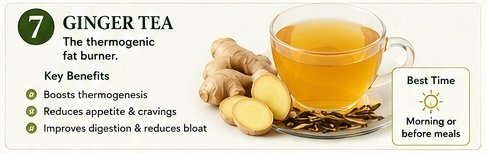
#7: Ginger Tea — The Thermogenic Appetite Suppressant
Type: Herbal infusion (not Camellia sinensis) — Zingiber officinale
Caffeine: Zero
Best For: Thermogenesis, appetite suppression, digestive support, belly fat
Strength of Evidence: ⭐⭐⭐⭐ (Strong for herbal tea)
Ginger tea is one of the most powerfully studied herbal teas for weight loss, with a strong clinical evidence base built over decades of research.
How Ginger Tea Promotes Weight Loss
Thermogenesis: Turning Up the Heat
Gingerol, the active component in ginger, has been studied for its potential to increase the “thermic effect of food,” meaning the energy required to digest and process nutrients. This stimulates mild thermogenesis — raising body temperature and burning more calories through heat production.
A 2024 Nutrients study found that ingredients like ginger can increase metabolic rate by 3–5%, helping the body burn fat more efficiently.
Appetite Suppression and Satiety
Gingerols activate receptors in the gut that signal fullness to the brain — specifically serotonin receptors (5-HT3) that regulate appetite. Studies show ginger consumption with a meal significantly reduces subsequent hunger and total caloric intake at the following meal.
Clinical Evidence
An extensive systematic review and meta-analysis of randomised controlled trials on the effects of ginger intake found it helped to reduce body weight and waist-to-hip ratio in overweight and obese subjects. A 2024 meta-analysis found ginger supplementation reduced body weight by up to 1.8 kg in overweight individuals — a meaningful clinical outcome for a simple dietary addition.
Blood Sugar Regulation
Ginger improves insulin sensitivity and reduces fasting blood glucose — directly addressing one of the most common drivers of weight gain and difficulty losing weight: insulin resistance.
Digestive Support
Ginger accelerates gastric emptying — moving food through the stomach and into the small intestine more efficiently. This reduces bloating, improves nutrient absorption, and creates a lighter, less uncomfortable digestive experience that supports consistent healthy eating habits.
How to Make Fresh Ginger Tea
Simple Ginger Tea Recipe
| Ingredient | Amount |
|---|---|
| Fresh ginger root, thinly sliced | 1–2 inches (2.5–5 cm) |
| Water | 300 ml |
| Lemon juice | 1 teaspoon (optional) |
| Honey | Small amount (optional, raw) |
- Bring water to a boil
- Add ginger slices
- Reduce heat and simmer for 10–15 minutes
- Strain and drink
Frequency: 2–3 cups per day. Best times: before meals (appetite suppression), after meals (digestion), or first thing in the morning (metabolism activation).
Power Combination: Green tea + ginger — brew together for combined EGCG thermogenesis and gingerol thermogenesis. Multiple studies show this combination amplifies both compounds’ fat-burning effects.
#8: Oolong + Yerba Mate — Honourable Mention: The Energising Fat-Burner
Type: Herbal (Yerba Mate — Ilex paraguariensis)
Caffeine: High (30–85 mg per cup, highly variable)
Best For: Sustained energy, appetite suppression, exercisers
Strength of Evidence: ⭐⭐⭐½ (Good, animal studies + human energy data)
Yerba Mate — South America’s answer to tea — is an infusion of dried leaves from the Ilex paraguariensis plant, widely consumed in Argentina, Brazil, and Uruguay. It has attracted significant scientific interest for its metabolic effects.
How Yerba Mate Promotes Weight Loss
Yerba Mate is recognised not just for its weight loss benefits but also for its overall health properties, including enhancing energy levels and improving mental focus.
Some weight loss properties have been attributed to yerba mate tea, with studies in animals showing it to have anti-obesity effects, but further studies are needed with humans.
Key mechanisms:
- Mateine (caffeine analogue): Stimulates metabolism and fat oxidation similarly to caffeine but with a reportedly smoother, longer-lasting energy curve
- Chlorogenic acid: Slows carbohydrate absorption, reducing post-meal blood sugar and insulin spikes
- Theobromine: The compound also found in cacao that creates a warm, sustained energy — different in quality from caffeine’s sharp stimulation
- Appetite suppression: Studies show yerba mate reduces the production of ghrelin (the hunger hormone) — meaningfully reducing appetite and caloric intake
Best for: People who exercise regularly and want sustained pre-workout energy with simultaneous fat-burning support. Yerba mate is best drunk in the morning or before exercise — its high caffeine-equivalent content makes afternoon or evening use inadvisable for sleep-sensitive individuals.
How to Brew: Traditional gourd and bombilla (metal straw), or like a regular loose-leaf tea — 2–3 g per 200 ml, water at 70–80°C (not boiling — bitterness increases dramatically with boiling water), 3–5 minutes.
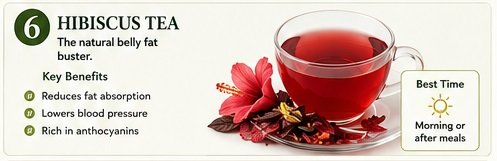
#9: Hibiscus Tea — The Metabolism Regulator and Belly Fat Fighter
Type: Herbal infusion — Hibiscus sabdariffa (dried flowers)
Caffeine: Zero
Best For: Blood sugar regulation, reducing belly fat, anti-inflammatory weight support
Strength of Evidence: ⭐⭐⭐⭐ (Strong for herbal)
Hibiscus tea — brewed from dried hibiscus flowers — is one of the most visually striking teas (deep ruby red) and one of the most clinically studied herbal teas for weight management.
How Hibiscus Tea Promotes Weight Loss
Anthocyanins: The Belly Fat Fighters
Hibiscus flowers are extraordinarily rich in anthocyanins — the pigments responsible for their deep red color and a class of polyphenol with significant metabolic activity. Hibiscus tea rounds out the belly fat reduction combination by regulating metabolism and lowering body fat absorption, making it a potent approach to belly fat reduction.
Pancreatic Lipase Inhibition
Certain hibiscus extracts have shown ability in some studies to inhibit pancreatic lipase, the enzyme responsible for breaking down fats in the digestive tract. By slowing this process, a smaller percentage of dietary fat may be absorbed.
This fat absorption inhibition — similar to the mechanism of some pharmaceutical weight-loss medications, but gentler and naturally derived — is one of hibiscus tea’s most clinically relevant weight-management properties.
Blood Sugar and Insulin Regulation
Some studies show that hibiscus tea may help regulate blood sugar levels, which is great for managing hunger and sugar cravings. Stable blood glucose is foundational to weight management — when blood sugar spikes and crashes, hunger and cravings intensify dramatically, making dietary adherence much harder.
Diuretic Effect and Bloating Reduction
Hibiscus tea is known for its diuretic properties and metabolic support. The mild diuretic effect reduces water retention and bloating — providing immediate, visible results (reduced puffiness, flatter stomach) that motivate continued healthy choices.
Clinical Evidence
A randomised controlled trial found that participants consuming hibiscus extract daily for 12 weeks experienced significant reductions in body weight, BMI, body fat percentage, and waist-to-hip ratio compared to placebo. The effect was most pronounced on abdominal fat — the visceral fat most closely linked to metabolic disease.
How to Brew Hibiscus Tea
- Cold brew: 3–5 dried hibiscus flowers per 500 ml of cold water, refrigerate overnight. Bright, tart, naturally refreshing — an excellent summer weight-loss drink with zero calories
- Hot brew: 3–5 flowers, 100°C water, 5–7 minutes. Add lemon and a small amount of raw honey if desired
- Frequency: 2–3 cups per day
- Caution: Hibiscus tea can lower blood pressure — those on antihypertensive medication should consult their doctor before regular use
#10: Rooibos Tea — The Stress-Cortisol Fat Storage Blocker
Type: Herbal infusion — Aspalathus linearis (South African red bush)
Caffeine: Zero
Best For: Stress-driven weight gain, cortisol reduction, evening drinking
Strength of Evidence: ⭐⭐⭐½ (Good, growing)
Rooibos — South Africa’s beloved “red bush tea” — is the weight-loss tea for a specific and enormously common problem: stress-driven fat storage. If your weight struggles are tied to stress, poor sleep, emotional eating, or cortisol-driven belly fat, rooibos deserves serious attention.
How Rooibos Tea Promotes Weight Loss
Cortisol Inhibition — The Stress-Fat Connection
Rooibos tea, rich in antioxidants, has been valued for its potential to reduce stress hormones that trigger fat storage, making it an excellent choice for weight loss.
Cortisol — the primary stress hormone — has a direct, measurable effect on fat storage, particularly around the abdomen. Elevated cortisol promotes fat accumulation in the visceral (belly) fat compartment, breaks down muscle tissue, increases appetite (especially for sugar and fat), and disrupts sleep — all of which drive weight gain and make weight loss harder.
Rooibos contains aspalathin — a unique flavonoid not found in any other plant — that has been shown in multiple studies to inhibit cortisol secretion from the adrenal cortex. Less cortisol = less stress-driven belly fat accumulation.
Adipogenesis Inhibition
Research on fermented rooibos found effects on adipocyte differentiation — specifically that rooibos compounds inhibit the formation of new fat cells, similarly to white tea’s mechanism.
Zero Caffeine — Perfect for Evening
Because rooibos is entirely caffeine-free, it can be drunk in the evening without disrupting sleep. This is significant: poor sleep is one of the strongest predictors of weight gain and weight-loss failure. By promoting relaxation and good sleep while simultaneously inhibiting cortisol, rooibos addresses the stress-sleep-weight triangle that many dieters never consciously address.
Rich Antioxidant Profile
Caffeine-free and rich in antioxidants, rooibos tea boosts your metabolism, fights oxidative stress and regular stress, and supports your overall health.
Rooibos contains quercetin, luteolin, orientin, and aspalathin — a comprehensive antioxidant profile that reduces inflammation, a key driver of obesity and metabolic dysfunction.
How to Brew Rooibos
- Temperature: 95–100°C (full boiling)
- Amount: 1–2 teaspoons per cup
- Steep time: 5–7 minutes (rooibos benefits from longer steeping)
- Best time: Evening — 1–2 hours before bed for cortisol reduction and sleep support
- Additions: A small amount of honey and milk is acceptable (rooibos is caffeine-free, milk does not suppress active compounds in the same way)
Bonus: Other Teas Worth Knowing For Weight Loss
🌿 Peppermint Tea
While peppermint tea might not have some of the direct fat-burning properties of other types of tea, it can still support your weight loss journey in many ways. Peppermint suppresses appetite through its aroma (studies show inhaling peppermint scent reduces food cravings), soothes the digestive system, and provides a satisfying, calorie-free after-meal option that prevents dessert cravings. Its menthol also has a mild thermogenic effect.
🌿 Chamomile Tea
Chamomile’s primary weight-loss contribution is indirect but important: it reduces anxiety, improves sleep quality, and regulates blood sugar. All three of these mechanisms — reduced anxiety, better sleep, stable blood sugar — directly reduce the hormonal drivers of overeating and fat storage.
🌿 Cinnamon Tea
Cinnamon contains cinnamaldehyde — a compound that improves insulin sensitivity, reduces fasting blood glucose, and has a genuine thermogenic effect. Brewing a cinnamon stick (not cinnamon-flavoured tea bags) creates a warming, calorie-free, blood-sugar-stabilising beverage that pairs beautifully with other weight-loss teas.
The Complete Weight Loss Tea Comparison
| Rank | Tea | Primary Mechanism | Caffeine | Best Time | Evidence Level |
|---|---|---|---|---|---|
| #1 | Green Tea | EGCG + caffeine, fat oxidation, metabolism | Moderate | Morning, pre-workout | ⭐⭐⭐⭐⭐ |
| #2 | Matcha | Concentrated EGCG, BAT activation, L-theanine | High | Morning, pre-workout | ⭐⭐⭐⭐⭐ |
| #3 | Oolong Tea | Dual polyphenols, lipase inhibition, blood sugar | Moderate | Pre-meal, afternoon | ⭐⭐⭐⭐½ |
| #4 | Pu-erh Tea | Gut microbiome, BAT activation, fat synthesis inhibition | Moderate | After fatty meals | ⭐⭐⭐⭐ |
| #5 | Black Tea | Theaflavin prebiotics, gut bacteria, metabolism | High | Morning, afternoon | ⭐⭐⭐⭐ |
| #6 | White Tea | Adipogenesis inhibition, high catechins, gentle | Low | Any time, evening OK | ⭐⭐⭐½ |
| #7 | Ginger Tea | Thermogenesis, appetite suppression, insulin | None | Before meals | ⭐⭐⭐⭐ |
| #8 | Yerba Mate | Mateine energy, ghrelin suppression, fat oxidation | Very High | Morning, pre-workout | ⭐⭐⭐½ |
| #9 | Hibiscus Tea | Anthocyanins, lipase inhibition, blood sugar | None | Afternoon, cold brew | ⭐⭐⭐⭐ |
| #10 | Rooibos Tea | Cortisol inhibition, adipogenesis inhibition | None | Evening | ⭐⭐⭐½ |
How to Build a Weight Loss Tea Routine
The most effective approach is not to drink one tea obsessively — it is to rotate through Weight Loss Teas that target different mechanisms throughout the day:
Suggested Daily Weight Loss Tea Schedule
| Time | Tea | Why |
|---|---|---|
| 7:00 AM (Fasted) | Green tea or Matcha | Fasted EGCG + caffeine maximises fat oxidation; sets metabolic tone for the day |
| 9:00–10:00 AM | Green tea or Darjeeling First Flush | Sustained energy + focus without cortisol spike |
| 12:30 PM (Before lunch) | Oolong or Ginger tea | Pre-meal appetite suppression; oolong’s blood sugar stabilisation reduces post-meal fat storage |
| 3:00–4:00 PM | Black tea or Pu-erh | Post-lunch metabolism; pu-erh specifically excellent 30 min after a heavier meal |
| 6:00 PM | Hibiscus (cold brew) or White tea | Hydration, antioxidants, belly fat support — caffeine-moderate timing |
| 8:30–9:00 PM | Rooibos or Chamomile | Cortisol suppression, sleep preparation, zero caffeine |
Total daily cups: 4–6 | Caffeine load: Moderate to high (morning teas) tapering to zero by evening
What NOT to Do With Weight Loss Tea
Mistakes That Negate the Benefits
1. Adding excessive sugar or sweeteners Sugar in tea converts what should be a metabolism-boosting, zero-calorie beverage into a blood-sugar-spiking one. Even “natural” sweeteners like honey should be used minimally. If you need sweetness initially, use a tiny amount of raw honey — and wean yourself off over 2–3 weeks.
2. Adding cow’s milk to catechin-rich teas Studies show that the caseins in cow’s milk bind to EGCG and other catechins in green tea, white tea, and lightly oxidized teas — dramatically reducing their bioavailability. For the teas you are drinking specifically for weight-loss benefits, drink them plain or with plant-based milks (oat, almond) which have lower casein content.
3. Drinking tea with meals Tannins in tea — particularly black and oolong — bind to non-haem iron in plant foods, reducing iron absorption. For iron-adequate individuals this is not concerning, but drink tea 30 minutes before or after meals rather than during them for optimal nutrient absorption from food.
4. Expecting tea to replace diet and exercise When combined with a healthy diet and regular exercise, yes, tea can be beneficial for weight loss. Tea enhances a healthy lifestyle — it does not substitute for one. A cup of green tea cannot undo a caloric surplus.
5. Buying detox tea products with senna or laxatives Many commercial “detox teas” and “slimming teas” contain senna — a laxative that causes temporary water and waste loss, not actual fat loss. These products are at best ineffective and at worst harmful, causing dehydration, electrolyte imbalance, and digestive damage. The teas in this list work through real metabolic mechanisms; they do not need laxatives.
6. Drinking in excessive quantities More is not always better with caffeinated teas. Limit caffeinated teas to about 2–3 cups daily; rotate varieties, avoid sugary add-ins, and listen to your body for tolerance. Excessive caffeine intake causes cortisol elevation — which directly promotes fat storage. Moderation is the foundation of sustainable results.
Frequently Asked Questions
Q: Which tea is the best for weight loss overall?
For most people, green tea is the most evidence-backed choice — with the broadest and deepest body of clinical research supporting its metabolic and fat-oxidation effects. For maximum potency, matcha delivers green tea’s benefits in concentrated form. For gut-level, long-term weight management, pu-erh is the emerging champion, backed by a growing body of 2025–2026 microbiome research.
Q: How much weight can you lose by drinking tea?
Studies consistently show modest but meaningful results: pu-erh tea intervention for 3 months was associated with a decrease in body weight of 1.3 kg versus 0.23 kg in the placebo arm. Green tea studies typically show 0.5–2 kg additional fat loss over 8–12 weeks compared to placebo, when consumed consistently alongside a balanced diet. Tea amplifies existing efforts — it does not replace them.
Q: When is the best time to drink weight loss tea?
Morning and pre-workout are optimal for caffeinated teas (green, matcha, oolong, black) — when the caffeine-EGCG combination maximises fat oxidation during subsequent movement. Pu-erh and oolong are most effective 30 minutes after meals. Rooibos and chamomile are ideal in the evening for cortisol management and sleep support.
Q: Can I drink weight loss teas on an empty stomach? Green tea and matcha are best drunk on an empty stomach for maximum fat-oxidation effect (fasted-state EGCG is more bioavailable). However, some individuals experience nausea when drinking caffeinated tea without food — if this applies to you, have a small, low-carb snack first.
Q: Is it safe to drink weight loss teas every day? Yes, for the teas in this list — they are all naturally occurring beverages with long histories of safe daily consumption. The exception is very high doses of green tea extract (supplements, not brewed tea) which have been associated with liver toxicity in rare cases. Stick to brewed tea at normal quantities and the risk is negligible.
Q: Does green tea help reduce belly fat specifically? Yes — multiple clinical studies show that green tea preferentially reduces visceral fat (belly fat) rather than subcutaneous fat. This is particularly significant because visceral fat — the fat around the organs — is the most metabolically dangerous form.
Q: Can I drink herbal teas if I’m sensitive to caffeine? Absolutely. Ginger tea, hibiscus tea, rooibos, chamomile, and peppermint are all completely caffeine-free and offer their own meaningful weight-management benefits through different mechanisms. For the caffeine-sensitive, a rooibos + hibiscus + ginger rotation covers thermogenesis, cortisol management, and fat absorption inhibition without a milligram of caffeine.
Q: Are weight loss teas safe during pregnancy? Several teas in this list are not recommended during pregnancy — particularly those with high caffeine (matcha, yerba mate) and ginger in large quantities. Consult your healthcare provider before using any tea medicinally during pregnancy.
The Bottom Line
Weight loss is not achieved by any single food, supplement, or beverage — it is the cumulative result of hundreds of daily decisions across diet, movement, sleep, and stress management.
But within a healthy lifestyle, the right teas, brewed and consumed correctly, provide real, scientifically validated metabolic support:
- Green tea and matcha boost resting metabolism and fat oxidation through EGCG and caffeine synergy
- Oolong inhibits fat-building enzymes and stabilises blood sugar
- Pu-erh rewires the gut microbiome and activates brown fat thermogenesis
- Black tea reshapes gut bacteria through theaflavin prebiotics
- White tea prevents new fat cell formation at the cellular level
- Ginger tea raises body temperature and suppresses appetite through gingerols
- Yerba mate suppresses hunger hormones and provides sustained fat-burning energy
- Hibiscus inhibits dietary fat absorption and fights belly fat
- Rooibos cuts cortisol — the stress hormone that drives belly fat storage
No laxatives. No detox claims. No dramatic promises. Just real plants, real compounds, and decades of peer-reviewed science that says: yes, these teas genuinely help.
The best one to start with? The one you will actually drink consistently.
Explore more science-backed tea guides, brewing tutorials, and wellness content at TeaFlush.com
Tags: weight loss tea, best tea for weight loss, green tea weight loss, matcha weight loss, oolong tea weight loss, pu-erh tea weight loss, ginger tea weight loss, hibiscus tea weight loss, rooibos tea weight loss, yerba mate weight loss, white tea weight loss, black tea weight loss, EGCG weight loss, metabolism boosting tea, tea for belly fat, fat burning tea, herbal tea weight loss, natural weight loss, tea and metabolism, top 10 weight loss tea
Medical Disclaimer: The information in this article is for educational purposes only and does not constitute medical advice. Always consult a qualified healthcare provider before making changes to your diet or wellness routine, particularly if you have pre-existing health conditions or are taking medication.