
Tea, Mindfulness & Mindful Living
Every year, without fail, it begins the same way.
Sometime in mid-March — sometimes late February at the lower-altitude gardens, sometimes closer to April at the highest ones — the long Himalayan winter releases its hold on the Darjeeling hills. The frost retreats. The morning mist softens from grey to pearl. And on ancient tea bushes that have been dormant for months, the first tender buds of the new year push through.
What happens over the next few weeks — the careful plucking, the skilled withering, the precise rolling, the minimal oxidation, the expert firing — produces what much of the world considers the most extraordinary tea it is possible to drink: First Flush Darjeeling Tea.
| Image | Name | Summary | Stock | Price | Buy |
|---|---|---|---|---|---|
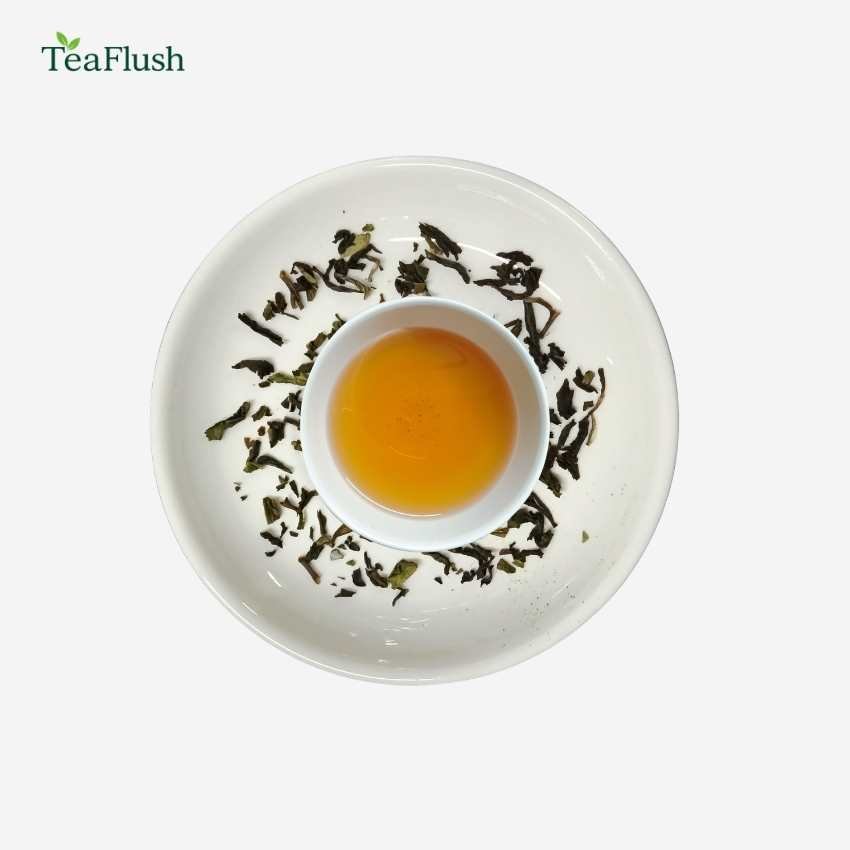 | Giddhapahar FTGFOP Tea 2026 100g | Giddapahar FTGFOP (Fine Tippy Golden Flowery Orange Pekoe) is an exquisite, artisanal black tea crafted from century-old heritage China bushes in Darjeeling’s boutique, family-run Giddapahar Estate.
| 1 in stock | ₹489,00 | |
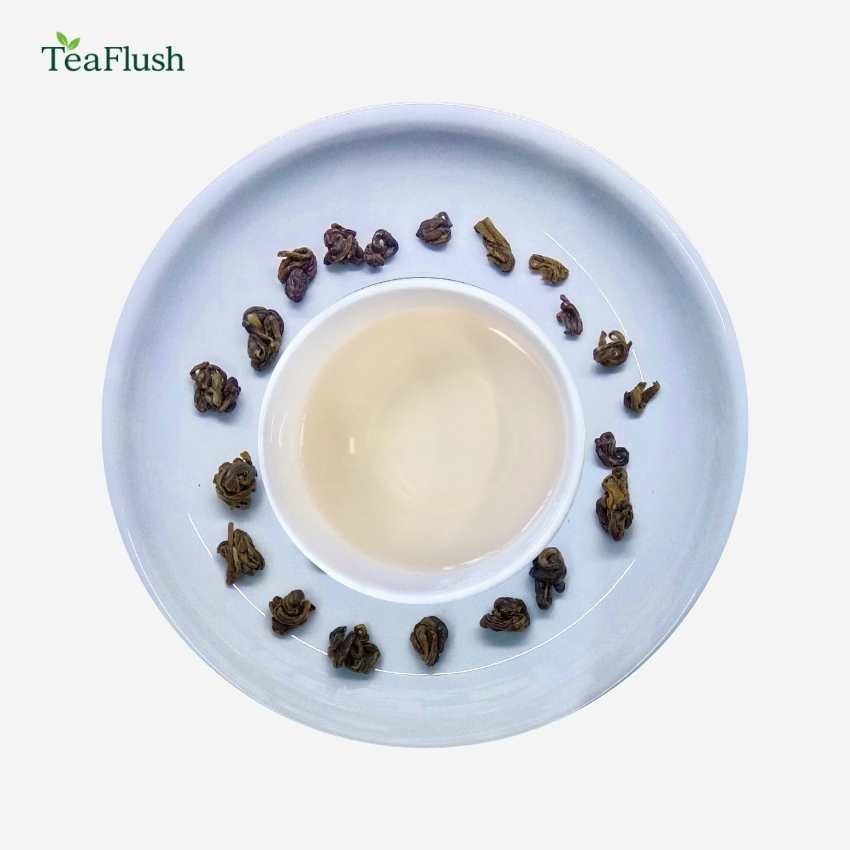 | Pearl Green Tea 50 grams | Pearl Green Tea is a premium, artisanal loose-leaf tea celebrated for its unique spherical shape, captivating aroma, and smooth flavor profile. Key Health Benefits
| 1 in stock (can be backordered) | ₹360,00 | |
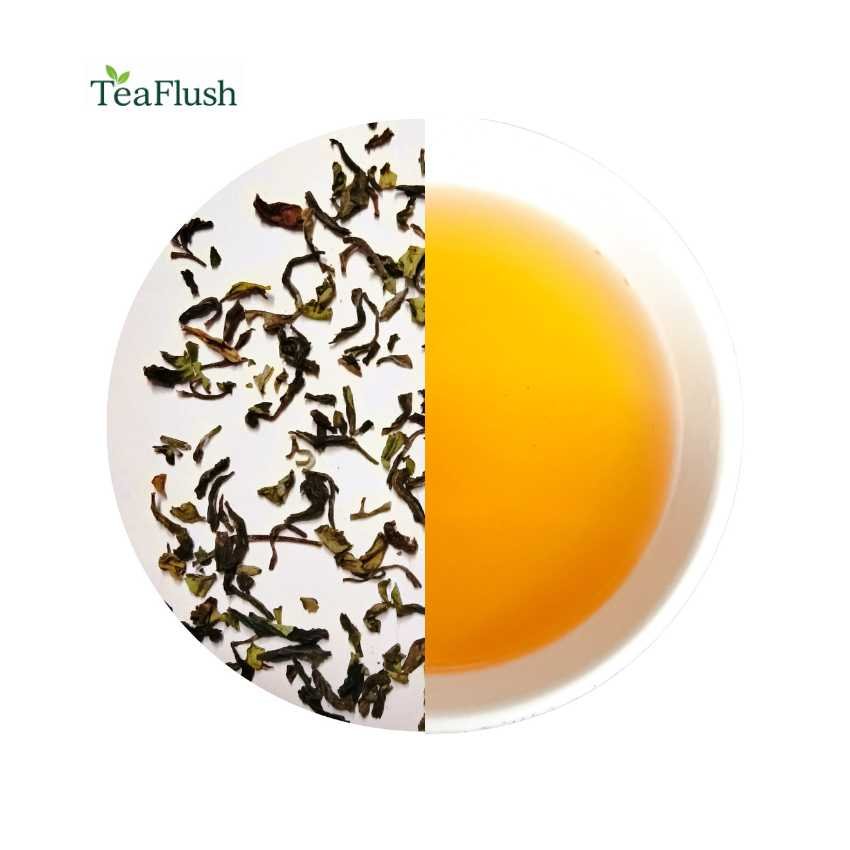 | Giddapahar China Special Tea | First Flush - 250g | Giddapahar China Special Tea – First Flush Tea Flush. The dry leaves are uncut and have a bright green shade. The long well twisted curled leaves are a visual delight. The aroma is pleasant. It has notes of roasted almonds with a hint of lime like aroma. | 19 in stock | ₹900,00 | |
| Giddapahar China Special Tea | First Flush - 100g | Giddapahar China Special Tea – First Flush Tea Flush. The dry leaves are uncut and have a bright green shade. The long well twisted curled leaves are a visual delight. The aroma is pleasant. It has notes of roasted almonds with a hint of lime like aroma. | 19 in stock | ₹450,00 | |
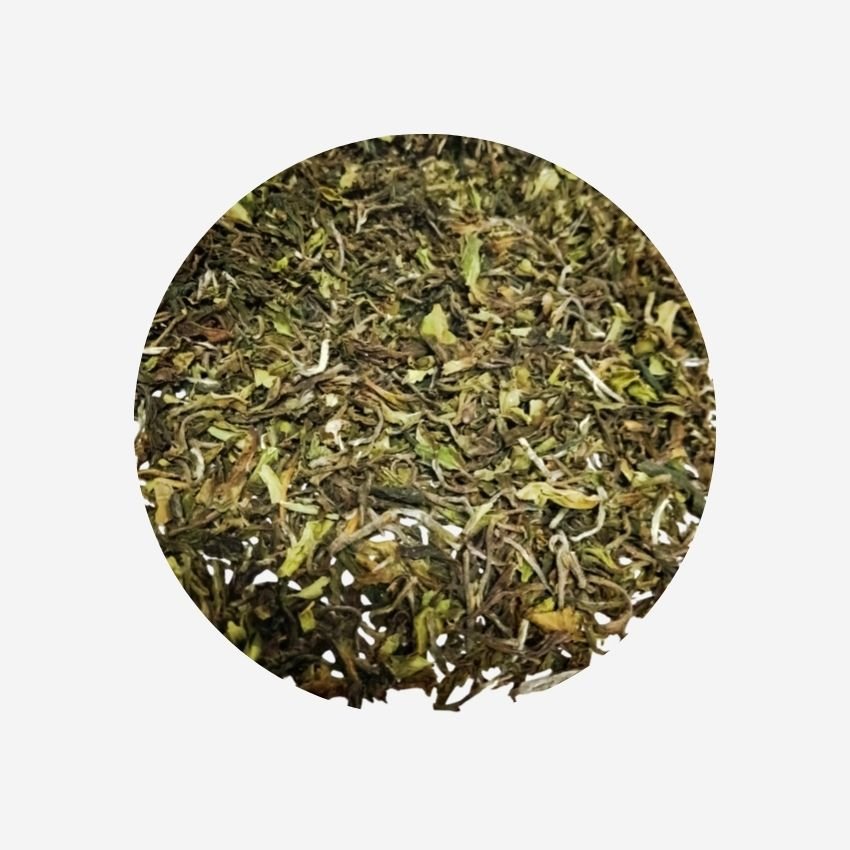 | Giddapahar - Clonal Delight Darjeeling Tea First Flush 2026 - 100g | Darjeeling First Flush Tea – Giddapahar’s Delight Tea, is a rare, limited spring harvest from one of Darjeeling’s most beloved boutique estates. It is a light-bodied, floral black tea hand-plucked from century-old China bushcultivars at 4,500 ft — delivering a crisp, luminous cup with fresh notes of white flower, green apple, and a signature caramel finish. A true “Champagne of Teas.” | 1 in stock | ₹750,00 | |
| Giddapahar - Clonal Delight Darjeeling Tea First Flush 2026 - 50g | Darjeeling First Flush Tea – Giddapahar’s Delight Tea, is a rare, limited spring harvest from one of Darjeeling’s most beloved boutique estates. It is a light-bodied, floral black tea hand-plucked from century-old China bushcultivars at 4,500 ft — delivering a crisp, luminous cup with fresh notes of white flower, green apple, and a signature caramel finish. A true “Champagne of Teas.” | 2 in stock | ₹530,00 | |
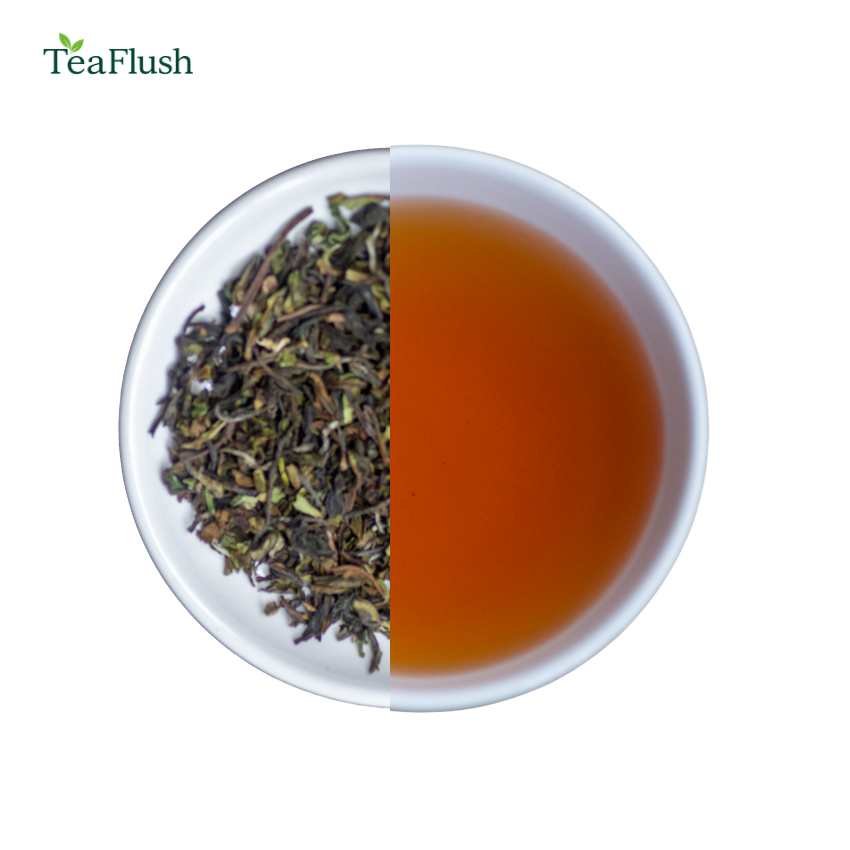 | Yanki First Flush Darjeeling Tea 100G | Loose Leaf | Buy Online | Spring-harvested first flush from Yanki’s small-farm cooperative in Mirik Valley, Darjeeling — Yanki First Flush Darjeeling tea naturally grown at 7,000 ft, handpicked two-leaves-and-a-bud. Delicate gold liquor with floral, muscatel, and sweet almond notes. | 1 in stock | ₹469,00 | |
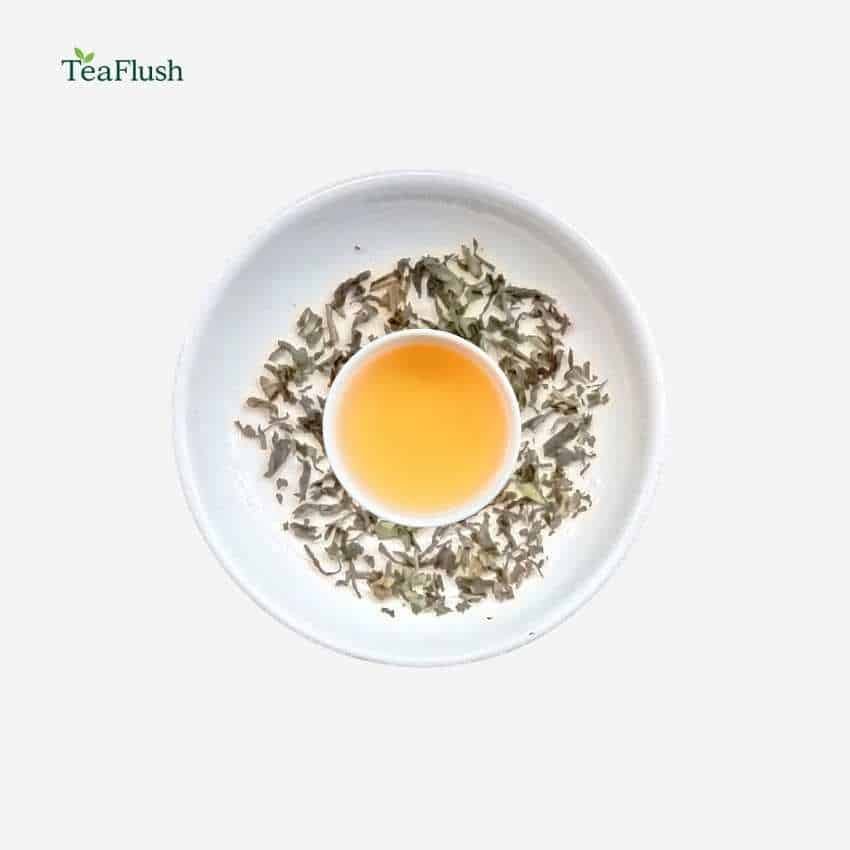 | First Flush Darjeeling Tea 50G | First Flush Darjeeling Tea 50Grams Approx 25 Cups Experience the “Champagne of Teas“ with our premium Darjeeling First Flush, a rare and highly prized spring harvest from the misty foothills of the Himalayas. Plucked by hand during the very first spring bloom, this exquisite tea captures the essence of renewal in every cup.
It offers a light, bright, and lively liquor with a strikingly floral aroma, crisp muscatel notes, and a clean, refreshing finish. Perfect for tea connoisseurs, this delicate infusion is best enjoyed pure and untamed, without any milk or sugar.
🌱 Product Highlights
| 1 in stock | ₹489,00 | |
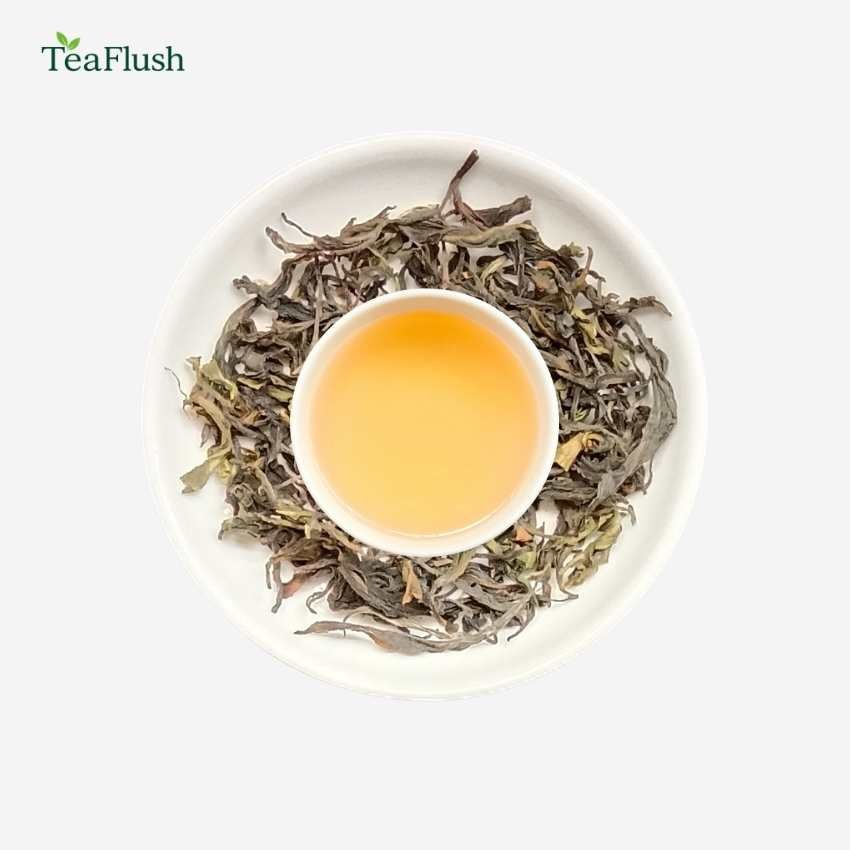 | Yanki Whole Leaf First Flush Tea 50g | Yanki Whole Leaf First Flush Tea (50g) – The Freshness of Spring in Every Sip Approx. 25 Cups Experience the pinnacle of tea craftsmanship with Yanki First Flush Tea. Hand-plucked during the very first harvest of the spring season, these pristine whole leaves capture the pure, untouched essence of the tea estate. Why You’ll Love It:
Treat yourself to an authentic tea-drinking ritual. Steep a cup of Yanki First Flush and savor the delicate luxury of nature’s finest harvest. | 1 in stock | Original price was: ₹1.400,00.₹698,00Current price is: ₹698,00. | |
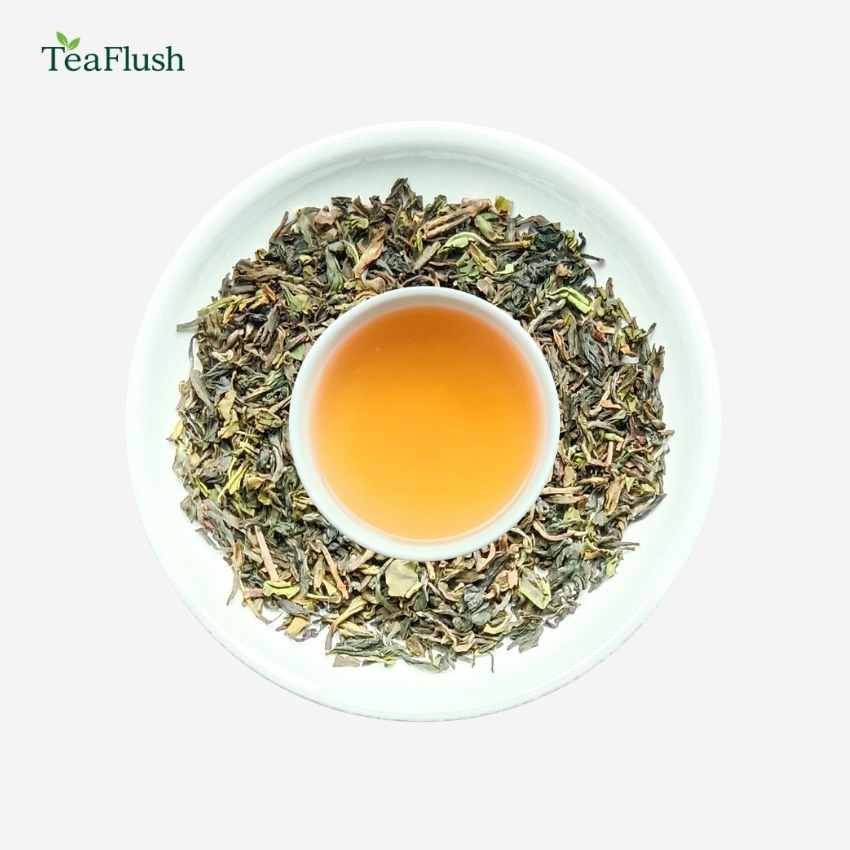 | Loose Leaf Tea | FOP Tea | 50 grams | Loose Leaf Tea FOP Tea 50 grams Approx 25 Cups | 1 in stock | ₹348,00 | |
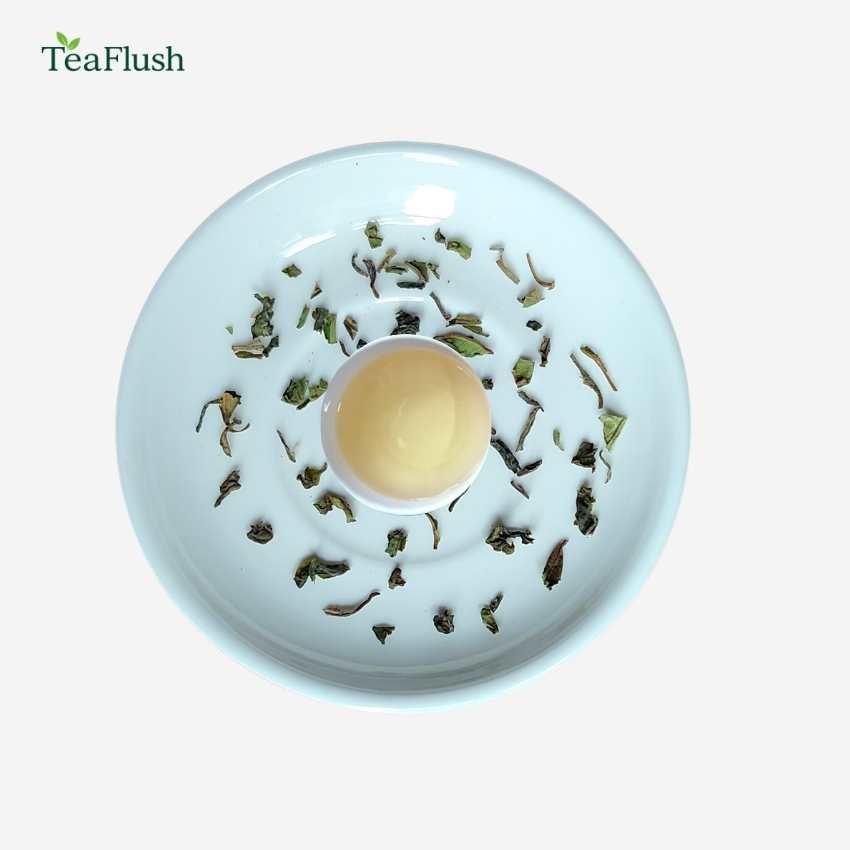 | Singbulli First Flush Tea SFTGFOP (2026) 100g | Singbulli First Flush Tea SFTGFOP-1 is an exceptionally premium, organic loose-leaf Darjeeling black tea. Sourced from the prestigious Singbulli Tea Estate near Mirik, India, this tea is celebrated by connoisseurs for its intricate, light, and highly aromatic spring harvest profiles. | Out of stock | ₹628,00 | |
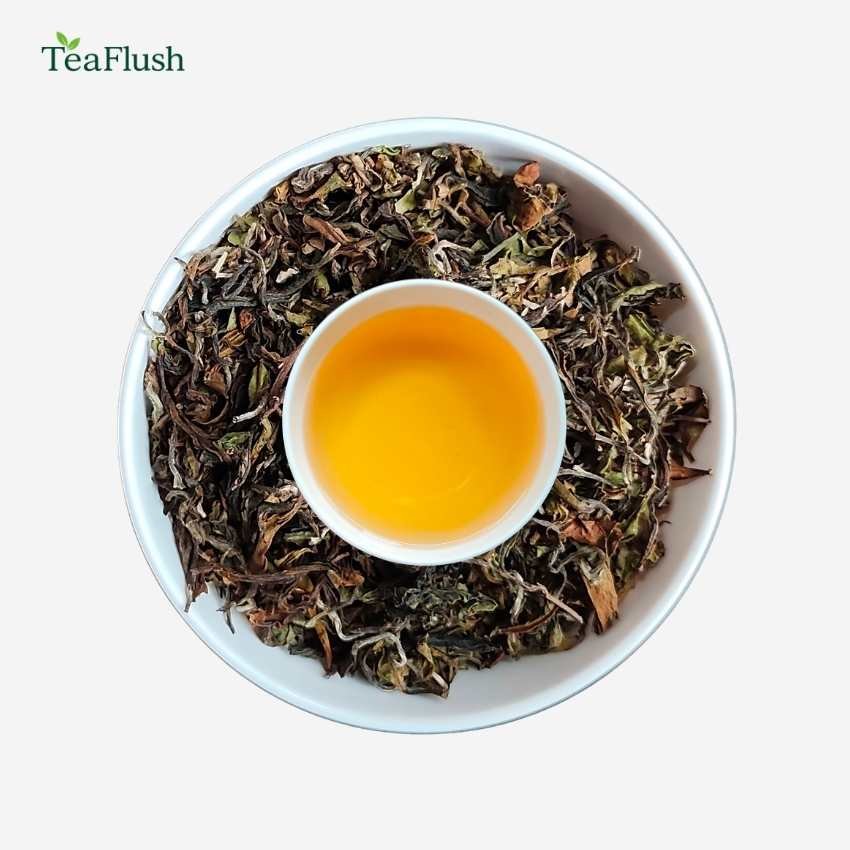 | Giddapahar - Clonal Wonder 1st Flush 2026 | 100 Grams | Giddapahar Clonal Wonder is harvested from elite AV2 clonal bushes during the very first emergence of spring — when the Himalayan air is still sharp, the soil freshly awakened, and every young leaf carries the energy of an entire winter’s rest. | 2 in stock | ₹959,00 | |
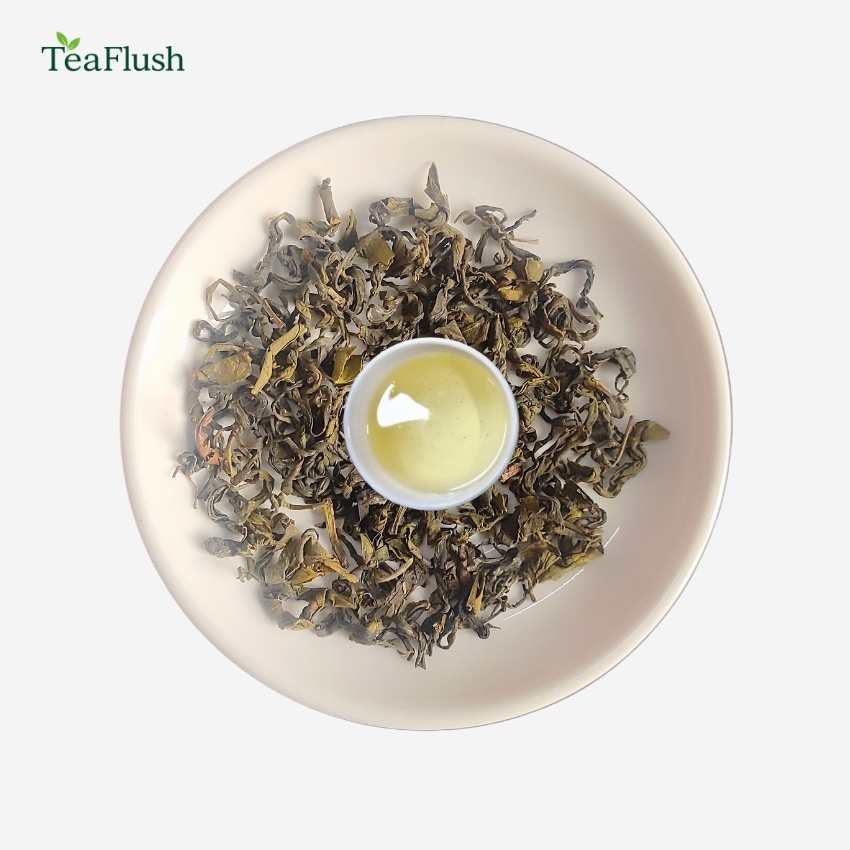 | Green Tea - Morning 100 grams |
Green Tea — Morning is a first flush Darjeeling green tea crafted for those who greet the day with intention. Plucked at the very onset of spring from high-altitude gardens draped in Himalayan mist, these young, tender leaves are gently steamed and dried — never oxidised — to preserve every shade of their natural vitality.
The liquor is a clear, pale jade — almost ethereal in the morning light. On the nose, it opens with the clean freshness of dewy grass and sweet spring herbs. In the cup, expect a gentle vegetal sweetness layered with notes of steamed greens, honeydew melon, and a delicate floral lift that lingers long after the last sip | 1 in stock | ₹389,00 |
Table of Contents
This is not a casual superlative. First flush Darjeeling has sold for over ₹1 lakh per kilogram at auction. It is tracked by specialty importers the way fine wine is tracked by wine merchants. Tea lovers in Germany, Japan, the UK, and the United States pre-order it months before the harvest even begins. In Darjeeling, the arrival of first flush is an annual event — a seasonal celebration, a cultural moment, an economic turning point.
And yet, most people — even dedicated tea drinkers — do not fully understand what first flush actually is, how it is made, why it tastes the way it does, or what to look for when they want to buy and brew it well.
This guide exists to change that.
At TeaFlush, we believe that a tea fully understood is a tea fully savored. So here — in every detail, without rushing — is everything you need to know about first flush Darjeeling tea.
Chapter 1: What Is First Flush Darjeeling Tea?
The Definition
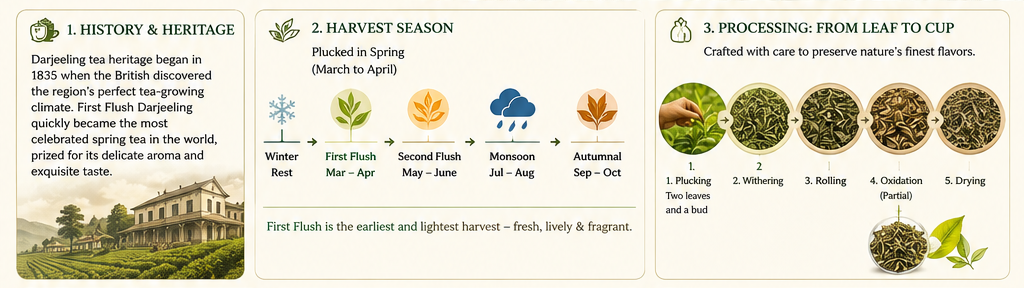
First flush is the name for the first harvest of the annual growing season in the Darjeeling district of West Bengal, India. “Tea Flush” is the tea planter’s word for a seasonal harvest cycle — the flushing of new growth from the tea plant. The first flush captures the very first new growth of the year, emerging after the winter dormancy of the tea bushes.
As the first pick of the season, First Flush Darjeeling Tea features tender young leaves plucked at peak freshness, delivering a vibrant, luminous flavor prized by collectors.
The harvest window is brief and precious: typically from mid-March to late April, with some variation across estates depending on altitude and seasonal conditions. The First Flush season lasts only from mid-March to May.
What Is Harvested
The standard of plucking for first flush Darjeeling is strict and uncompromising: “two leaves and a bud.” The very tip of each new shoot — the newest bud and the two youngest leaves immediately below it — is plucked by hand, one shoot at a time. It takes nearly 20,000 shoots that a woman plucks to make 1 kg (around 2 lbs) of tea.
These are the most tender, most aromatic, most nutritionally concentrated parts of the plant. They carry the highest levels of L-theanine, catechins, and the aromatic compounds that define the first flush character. Coarser plucking — taking older, more mature leaves — produces a significantly inferior tea.
The Darjeeling GI Tag
Grown in the majestic Himalayan foothills, Darjeeling’s tea estates thrive under a unique terroir — cool mist, mineral-rich soil, and abundant rainfall at elevations of 2,000–6,000 feet. This pristine environment shapes the tea’s distinctive character and complex flavor profile, making First Flush Darjeeling irreplicable.
This irreplicability is legally protected. Darjeeling received India’s first Geographical Indication (GI) tag in 2004, meaning only tea grown and manufactured within the Darjeeling district of West Bengal can legally be sold as “Darjeeling Tea.” First flush Darjeeling, with all its specificity and rarity, sits at the apex of this protected designation.
| Image | Name | Summary | Stock | Price | Buy |
|---|---|---|---|---|---|
| Giddhapahar FTGFOP Tea 2026 100g | Giddapahar FTGFOP (Fine Tippy Golden Flowery Orange Pekoe) is an exquisite, artisanal black tea crafted from century-old heritage China bushes in Darjeeling’s boutique, family-run Giddapahar Estate.
| 1 in stock | ₹489,00 | |
| Pearl Green Tea 50 grams | Pearl Green Tea is a premium, artisanal loose-leaf tea celebrated for its unique spherical shape, captivating aroma, and smooth flavor profile. Key Health Benefits
| 1 in stock (can be backordered) | ₹360,00 | |
| Giddapahar China Special Tea | First Flush - 250g | Giddapahar China Special Tea – First Flush Tea Flush. The dry leaves are uncut and have a bright green shade. The long well twisted curled leaves are a visual delight. The aroma is pleasant. It has notes of roasted almonds with a hint of lime like aroma. | 19 in stock | ₹900,00 | |
| Giddapahar China Special Tea | First Flush - 100g | Giddapahar China Special Tea – First Flush Tea Flush. The dry leaves are uncut and have a bright green shade. The long well twisted curled leaves are a visual delight. The aroma is pleasant. It has notes of roasted almonds with a hint of lime like aroma. | 19 in stock | ₹450,00 | |
| Giddapahar - Clonal Delight Darjeeling Tea First Flush 2026 - 100g | Darjeeling First Flush Tea – Giddapahar’s Delight Tea, is a rare, limited spring harvest from one of Darjeeling’s most beloved boutique estates. It is a light-bodied, floral black tea hand-plucked from century-old China bushcultivars at 4,500 ft — delivering a crisp, luminous cup with fresh notes of white flower, green apple, and a signature caramel finish. A true “Champagne of Teas.” | 1 in stock | ₹750,00 | |
| Giddapahar - Clonal Delight Darjeeling Tea First Flush 2026 - 50g | Darjeeling First Flush Tea – Giddapahar’s Delight Tea, is a rare, limited spring harvest from one of Darjeeling’s most beloved boutique estates. It is a light-bodied, floral black tea hand-plucked from century-old China bushcultivars at 4,500 ft — delivering a crisp, luminous cup with fresh notes of white flower, green apple, and a signature caramel finish. A true “Champagne of Teas.” | 2 in stock | ₹530,00 | |
| Yanki First Flush Darjeeling Tea 100G | Loose Leaf | Buy Online | Spring-harvested first flush from Yanki’s small-farm cooperative in Mirik Valley, Darjeeling — Yanki First Flush Darjeeling tea naturally grown at 7,000 ft, handpicked two-leaves-and-a-bud. Delicate gold liquor with floral, muscatel, and sweet almond notes. | 1 in stock | ₹469,00 | |
| First Flush Darjeeling Tea 50G | First Flush Darjeeling Tea 50Grams Approx 25 Cups Experience the “Champagne of Teas“ with our premium Darjeeling First Flush, a rare and highly prized spring harvest from the misty foothills of the Himalayas. Plucked by hand during the very first spring bloom, this exquisite tea captures the essence of renewal in every cup.
It offers a light, bright, and lively liquor with a strikingly floral aroma, crisp muscatel notes, and a clean, refreshing finish. Perfect for tea connoisseurs, this delicate infusion is best enjoyed pure and untamed, without any milk or sugar.
🌱 Product Highlights
| 1 in stock | ₹489,00 | |
| Yanki Whole Leaf First Flush Tea 50g | Yanki Whole Leaf First Flush Tea (50g) – The Freshness of Spring in Every Sip Approx. 25 Cups Experience the pinnacle of tea craftsmanship with Yanki First Flush Tea. Hand-plucked during the very first harvest of the spring season, these pristine whole leaves capture the pure, untouched essence of the tea estate. Why You’ll Love It:
Treat yourself to an authentic tea-drinking ritual. Steep a cup of Yanki First Flush and savor the delicate luxury of nature’s finest harvest. | 1 in stock | Original price was: ₹1.400,00.₹698,00Current price is: ₹698,00. | |
| Loose Leaf Tea | FOP Tea | 50 grams | Loose Leaf Tea FOP Tea 50 grams Approx 25 Cups | 1 in stock | ₹348,00 | |
| Singbulli First Flush Tea SFTGFOP (2026) 100g | Singbulli First Flush Tea SFTGFOP-1 is an exceptionally premium, organic loose-leaf Darjeeling black tea. Sourced from the prestigious Singbulli Tea Estate near Mirik, India, this tea is celebrated by connoisseurs for its intricate, light, and highly aromatic spring harvest profiles. | Out of stock | ₹628,00 | |
| Giddapahar - Clonal Wonder 1st Flush 2026 | 100 Grams | Giddapahar Clonal Wonder is harvested from elite AV2 clonal bushes during the very first emergence of spring — when the Himalayan air is still sharp, the soil freshly awakened, and every young leaf carries the energy of an entire winter’s rest. | 2 in stock | ₹959,00 | |
| Green Tea - Morning 100 grams |
Green Tea — Morning is a first flush Darjeeling green tea crafted for those who greet the day with intention. Plucked at the very onset of spring from high-altitude gardens draped in Himalayan mist, these young, tender leaves are gently steamed and dried — never oxidised — to preserve every shade of their natural vitality.
The liquor is a clear, pale jade — almost ethereal in the morning light. On the nose, it opens with the clean freshness of dewy grass and sweet spring herbs. In the cup, expect a gentle vegetal sweetness layered with notes of steamed greens, honeydew melon, and a delicate floral lift that lingers long after the last sip | 1 in stock | ₹389,00 |
Chapter 2: The History of First Flush — How It Became What It Is Today
The Colonial Origins
The Darjeeling tea industry was established in the 1850s, built on China-variety tea plants (Camellia sinensis var. sinensis) introduced by Dr. Archibald Campbell and others who recognized that the cool Himalayan climate mirrored the high-altitude growing regions of southern China. By the 1860s, Darjeeling had dozens of estates. By the 1890s, over 150.
For most of the 19th and early 20th century, first flush Darjeeling was actually processed quite differently from how we know it today — more fully oxidized, darker in color, stronger in flavor. The light, minimally oxidized first flush that defines the modern category is largely a 20th century development — and the German market deserves much of the credit.
The German Market and the Light First Flush Revolution
With their newly increased purchasing power, the German market encouraged Darjeeling producers to decrease the oxidation time for first flush teas until it all but disappeared; this is now the beloved and highly valued standard.
This is a remarkable historical footnote. The characteristic lightness of first flush Darjeeling — the pale gold liquor, the green-oolong-like minimal oxidation, the delicate floral aromatics — is not an ancient tradition. It was actively developed in response to German consumer preferences in the latter half of the 20th century. Germany remains one of the largest and most sophisticated markets for first flush Darjeeling tea in the world, and the German market’s insistence on lighter processing has permanently shaped what first flush means globally.
The Four-Flush Calendar
Understanding first flush requires placing it within Darjeeling’s full annual rhythm:
| Flush | Season | Harvest Window | Character |
|---|---|---|---|
| First Flush | Spring | Mid-March to late April | Delicate, floral, lightly oxidized |
| Second Flush | Summer | May to mid-June | Rich, muscatel, fully oxidized |
| Monsoon Flush | Rainy season | July to September | Bold, strong, earthy |
| Autumnal Flush | Autumn | October to November | Warm, nutty, smooth |
The first flush opens the calendar — the most anticipated, most limited, and most delicate of all four harvests.
Chapter 3: The Science of Winter Dormancy — Why First Flush Tastes Like It Does
The extraordinary flavor of first flush Darjeeling is not accidental. It is the direct biochemical result of what happens to a tea plant during winter dormancy — and what happens when that dormancy ends.
What Happens During Winter Dormancy (November to February)
When temperatures in the Darjeeling hills drop below the threshold for tea plant growth — typically in November — the bushes enter a state of dormancy. New growth stops. The plant withdraws its metabolic activity inward, to the roots, the stems, the established structure.
During this dormancy, several things accumulate within the plant:
Amino acids — particularly L-theanine — are synthesized and stored. L-theanine is the compound responsible for the “calm focus” effect of tea and a key contributor to its sweet, umami depth.
Sugars and carbohydrates — accumulated in the root system as energy reserves.
Aromatic precursor compounds — the chemical building blocks that will be expressed as floral and fruity aromas when the leaf is processed.
Polyphenols and catechins — particularly EGCG (Epigallocatechin Gallate) — the primary antioxidants in tea, which the plant produces as stress-response compounds.
The longer and colder the winter, the greater the accumulation of these compounds.
The Spring Release: Why First Flush Is More Concentrated
When spring warmth and moisture return, the first new shoots emerge carrying all of that accumulated reserve. These first buds and leaves are, in a very real biological sense, the plant giving its absolute best — the fullest expression of everything it has built up through months of quiet storage.
When ambient temperatures fall around zero, the tea plant’s metabolic processes slow dramatically, allowing L-theanine and other flavor compounds to concentrate in the roots and lower stems. When spring arrives and growth resumes, these compounds are mobilized into the first new shoots — producing the highest L-theanine concentrations of the entire growing year.
This is the scientific explanation for something tea drinkers have known intuitively for centuries: the first harvest of spring is the most extraordinary.
The High-Altitude Advantage
The interplay of climatic factors, combined with the high altitude, results in a slow growth rate for the tea bushes, allowing them to develop more concentrated flavours and aromatic compounds.
At Darjeeling’s typical first-flush growing altitudes of 3,000–7,000 feet:
- Cool air temperatures — 10–18°C during peak first-flush growing weeks — slow cell division in the tea leaf, producing fewer but more concentrated cells
- High ultraviolet radiation — stimulates polyphenol and flavonoid production as a natural UV-protection response in the leaf
- Wide day-night temperature swings — day temperatures warm enough for photosynthesis and growth; night temperatures cold enough to slow respiration and retain compounds in the leaf
- Daily morning mist — regulates transpiration and maintains leaf moisture, contributing to the distinctive “mist character” in the cup
Chapter 4: How First Flush Darjeeling Tea Is Made — Step by Step
Even though it’s usually classified as a black tea, Darjeeling First Flush should have a category all its own, because no other tea is made quite like it.
Step 1: Plucking — The Human Foundation
Plucking is done entirely by women with their hands. It is believed that women’s nimble and dexterous hands will ensure that the leaves are not “injured” during plucking.
The plucking standard for premium first flush is strict: two leaves and a bud, plucked with a clean, sharp snap of the fingers that severs the shoot without bruising or tearing. Bruised leaves begin oxidizing immediately and unevenly — producing an inferior tea.
The plucked leaves are collected in bamboo baskets carried on the workers’ backs. Plucked leaves collected in bamboo baskets are weighed after reaching the factory. Then they undergo the real processing method of Orthodox Production.
Step 2: Withering — The First Transformation
After plucking, fresh leaves are brought indoors and laid out in withering troughs: long rimmed tables with screens on the bottom, and fans at the end to move air through the leaves.
In processing Darjeeling blends, almost 65% moisture gets removed from the leaves in withering by blowing cold and hot air for almost 14 to 16 hours. The leaves become limp.
For first flush specifically, the withering is called a “hard wither” — a longer, more thorough moisture-removal process than is used for other flushes. Under ideal conditions, the hard wither takes place at room temperature for usually around 12 hours. After this, the leaves are much more pliable, and a heady floral aroma starts to develop.
The hard wither serves two purposes. Physically, it makes the leaf pliable for rolling. Chemically, it begins a cascade of enzymatic changes that develop the aromatic precursors of the first flush character.
These distinctive teas undergo a unique hard withering process. The hard wither is one of the most important and under-discussed factors in what makes first flush different from other Darjeeling teas — a longer, more thorough drying that concentrates the leaf’s aromatic potential before rolling even begins.
Step 3: Rolling — The Cell Wall Break
The next stage is rolling the leaves: this ruptures their cell walls, which furthers the release of oxidative enzymes, and redistributes moisture, which draws flavorful juices to the surface. During this step, batches of leaves are emptied into the hoppers of massive, cast-iron rolling machines.
The purpose of rolling is to twist the withered leaves to obtain the desired grade, then to rupture the cells to let the enzymes act upon the leaves, which also speeds up the fermentation process towards achieving the desired flavour and colour.
For first flush, the rolling pressure is lighter than for second flush or monsoon teas — a deliberate choice to limit cell-wall damage and thus limit the speed and extent of subsequent oxidation. Less rupture = slower oxidation = lighter, more delicate first flush character.
After rolling, the leaves pass through sifters: the rolled leaves are sorted through sifters to sort the unrolled leaves for a second roll.
Step 4: Oxidation — The Heart of the Process
Oxidation — also known as fermentation — takes place when the rolled leaves are spread on open beds where a humidity level of 80 per cent and a temperature of 70–80°F is maintained. This is the most critical step of tea manufacturing. It is a bit of science and skill where the tea maker has to be able to judge the optimum level at which to arrest the oxidation. It is this process that ultimately determines the aroma and flavor of the tea. The process itself can take three to four hours.
For first flush, the critical difference is how soon the tea maker halts this process. A fully oxidized black tea (like Assam) allows oxidation to proceed to near-completion — 90–100%. First flush Darjeeling is typically oxidized to only 20–60%, depending on the estate’s philosophy and the specific lot.
The German market encouraged Darjeeling producers to decrease the oxidation time for first flush teas until it all but disappeared; this is now the beloved and highly valued standard.
The tea maker monitors:
- Color of the leaf: The gradual shift from green to copper to brown indicates oxidation progress
- Aroma: The evolution from grassy to floral to fruity signals different oxidation stages
- Touch: The texture and temperature of the leaf mass
Catching the oxidation at exactly the right moment — when the first flush florals have developed fully but before the tea tips too far toward the fuller, more tannic character of second flush — is the central art of first flush manufacturing.
Step 5: Firing — Locking in the Character
Drying/Firing stops the oxidation process and removes any moisture that may be present in the leaves. The fermented leaves move slowly through a drying machine where a temperature of around 250°F is maintained. It takes about 20 minutes to complete the process.
The high heat deactivates the polyphenol oxidase enzymes that are driving oxidation — permanently arresting the chemical transformation at whatever stage it has reached. The tea is now stable. Its character is locked in.
For first flush, the firing is typically lighter than for fully oxidized teas — preserving more of the volatile aromatic compounds that give first flush its characteristic floral intensity.
Step 6: Sorting and Grading
Sorting is the process to determine the various leaf grades. The dried leaves are moved over vibrating wire mesh trays.
The dried tea passes through a series of graded mesh sieves that separate the leaves by size and type — whole leaves, broken leaves, fannings, and dust. This sorting produces the leaf grades (SFTGFOP1, FTGFOP1, BOP, etc.) that appear on the packaging.
Higher-grade first flush lots — with whole leaves and abundant golden/silver tips — are set aside for premium estate and specialty market sales. The finest lots are batched separately as micro-lots and given individual names and DJ lot numbers for full traceability.
Chapter 5: The Complete Flavor Profile of First Flush Darjeeling Tea
First flush Darjeeling is unlike any other tea in the world. Here is a complete sensory map:
Dry Leaf Appearance
The dry leaves of a well-made first flush SFTGFOP1 are a study in delicate complexity:
- A mixture of dark green, silver-green, and light brown tones from the partial oxidation
- Silver and golden tips — the downy-surfaced young buds that carry the highest aromatic and nutrient concentration
- Twisted, elegant whole-leaf form — the characteristic shape of orthodox processing
- A fresh, complex aroma from the dry leaf itself — floral, slightly musky, with hints of wood and stone fruit
Liquor Color
The leaves are tender and minimally oxidized, preserving the pure essence of the tea plant. This results in a brew that is light in color, aromatic, and refreshingly delicate.
The brewed liquor of first flush Darjeeling is pale — sometimes startlingly so for first-time drinkers. Colors range from soft gold to pale amber, occasionally with greenish tints in the most lightly oxidized lots. In a glass cup it resembles fine white wine or light spring honey. Do not mistake the pale color for weakness — it is the hallmark of exceptional quality.
Aroma
The aroma is the first announcement of first flush’s extraordinary character. It rises immediately from the cup and fills the surrounding air.
The tea emits an alluringly sweet floral fragrance, intertwined with spicy undertones. In Darjeeling teas, a bright and lively infusion often signifies a superior cup.
Common aroma descriptors for first flush Darjeeling include:
- Floral: Orchid, jasmine, white flower, lily, rose — the dominant register
- Fresh vegetal: Spring grass, spinach, broccoli rabe, green herbs
- Citrus: Lemon zest, bergamot, green apple peel
- Mineral: Clean mountain-air quality, wet stone
- Light fruit: Melon, apricot blossom, peach blossom (especially in muscatel-leaning lots)
- Spice whisper: Some lots carry subtle notes of ginger, cumin, or white pepper
Flavor on the Palate
First Flush Darjeeling tea is distinguished by its light, floral aroma and a bright, golden liquor. The flavor profile is complex and nuanced, featuring a delicate balance of astringency and sweetness with notes of green apple, citrus, and a hint of muscatel grape. This tea is highly prized for its briskness and clarity, providing a refreshing and invigorating experience.
The flavor unfolds in layers:
- Entry: Clean and bright — immediate freshness, mild astringency, light citrus
- Mid-palate: Floral depth — orchid, jasmine, sometimes muscatel whisper
- Finish: Long, clean, lingering — floral note stays on the back of the palate for minutes
The astringency in first flush is distinctive — it is refreshing and brisk rather than harsh or drying. It is the kind of astringency that makes you want another sip immediately, not the kind that makes you wince.
Mouthfeel
Light-bodied, airy, with a clean briskness. Some China-bush first flush teas (Giddapahar, Gopaldhara) develop a notably fuller body — concentrated and almost creamy — that belies the pale liquor color. Most first flush, however, is deliberately light and weightless in the mouth — the “champagne” quality that has defined Darjeeling’s reputation for 170 years.
Estate-by-Estate Variation
One of the most compelling aspects of first flush Darjeeling is how dramatically the flavor varies by estate, cultivar, and altitude. This variation is the first-flush collector’s delight:
| Estate | First Flush Character |
|---|---|
| Gopaldhara | Magnolia, ginger, broccoli rabe — bold and warming |
| Giddapahar | White flower, rose, buttered spinach — full-body with dry, clean finish |
| Goomtee | Intoxicatingly fresh, floral, light gold — quintessential spring Darjeeling |
| Puttabong (Tukvar) | Smooth, delicately fruity, fine finish — elegant and refined |
| Namring | Extraordinarily mellowed, mild, pleasantly sweet — soft floral aroma |
| Risheehat | Floral, prominent fruitiness, mild astringency — golden-translucent liquor |
| Mim | Sharp, striking, mild vegetal notes — smooth and fragrant |
| Thurbo | Intense floral, high-altitude precision — clean and luminous |
| Margaret’s Hope | Bright, well-structured, classic Kurseong floral — reliable excellence |
Chapter 6: The Health Benefits of First Flush Darjeeling Tea
First flush Darjeeling is not only a sensory pleasure — it is among the most nutritionally rich teas available. Its lighter oxidation preserves a notably higher concentration of the health-active compounds in the tea leaf compared to more fully oxidized teas.
1. L-Theanine: The Calm Focus Compound
L-theanine is an amino acid found in tea that is known for its calming effects. It can help promote relaxation and reduce stress, making Darjeeling tea an excellent choice for those seeking a soothing beverage.
L-theanine acts as a glutamate reuptake inhibitor in the hippocampus while caffeine blocks adenosine receptors, increasing dopaminergic transmission. Together, they improve attention and reaction time more than either compound alone.
L-theanine is an amino acid analogue that decreases anxiety, stress and helps create a “focused calm” in conjunction with the caffeine present in tea.
First flush is the highest L-theanine flush of the year — the compound accumulates in the plant throughout winter dormancy and is most concentrated in the first new shoots.
2. EGCG and Catechins: The Antioxidant Arsenal
Like all green teas, Darjeeling green tea leaves that avoid full oxidation retain high levels of the polyphenol epigallocatechin gallate (EGCG), a natural antioxidant.
Because first flush Darjeeling is only lightly oxidized, it retains significantly more catechins — especially EGCG — than fully oxidized second flush or monsoon teas. Research indicates that antioxidants play a critical role in neutralizing free radicals, preventing oxidative stress, and reducing the risk of chronic diseases.
3. Heart Health
The flavonoids in Darjeeling tea, particularly thearubigins and catechins, have been associated with improved heart health. Studies suggest that regular consumption of black tea can help lower LDL cholesterol levels and reduce blood pressure. These effects may help decrease the risk of heart disease and other cardiovascular conditions.
Theaflavins have potent antioxidant and anti-inflammatory properties, possib[ly supporting cardiovascular health].
4. Weight Management and Metabolism
Studies have shown that drinking Darjeeling tea reduces belly fat and speeds up weight loss. Semi-oxidized Darjeeling tea is highly effective in facilitating weight loss. Scientists believe this could be due to the high concentration of catechins, which are naturally occurring antioxidants that increase fat burning and boost metabolism.
First flush, being semi-oxidized, is particularly well-positioned for metabolic support compared to fully oxidized teas.
5. Stress Reduction and Mental Clarity
Consuming Darjeeling tea on a regular basis can help you better deal with stress and anxiety. The brews help regulate the production of a stress hormone in the body called cortisol. Plus, it naturally contains L-theanine, an amino acid that calms the nerves.
Research shows L-theanine has anxiolytic effects, reducing stress responses and slowing reaction time on anxiety-related tasks (Kahathuduwa et al., 2024).
The synergy between caffeine and L-theanine in first flush Darjeeling — moderate caffeine lift combined with L-theanine’s calming, focus-enhancing effect — creates the state that practitioners of mindfulness, meditation, and focused work consistently report: alert relaxation. Energy without anxiety. Focus without tension.
6. Gut Health and Digestive Support
The polyphenols in Darjeeling tea stimulate good bacteria growth in your digestive system, keeping it healthy.
The polyphenols in the tea help improve gut health by promoting good bacteria, reducing bloating, and aiding in digestion after meals.
7. Neuroprotective Properties
Many researchers in India believe that certain bio-active compounds in Darjeeling tea, particularly L-theanine, could play an active role in preventing neurodegenerative diseases such as Parkinson’s.
8. Skin Health
Due to its high antioxidant content, Darjeeling tea is often used in DIY skincare routines. A simple face toner made from brewed Darjeeling tea can help tighten pores and give your skin a radiant glow. You can also use tea bags to reduce puffiness around your eyes.
Caffeine in First Flush Darjeeling
Darjeeling contains roughly 50–70 mg of caffeine per cup compared to coffee’s 95 mg.
First flush typically sits toward the lower end of this range — lighter oxidation and the specific leaf grade affect caffeine extraction. This makes first flush a particularly well-suited morning tea for those who want gentle, sustained energy without the intensity of coffee.
Health Summary at a Glance
| Compound | Amount in First Flush | Key Benefit |
|---|---|---|
| L-Theanine | Highest of all flushes | Calm focus, stress reduction, sleep support |
| EGCG (Catechins) | High (light oxidation preserves catechins) | Antioxidant, metabolic, anti-inflammatory |
| Flavonoids | High | Heart health, LDL cholesterol reduction |
| Caffeine | Moderate (~30–50 mg/cup) | Energy, alertness — without jitters |
| Polyphenols | High | Gut health, immune support |
| Theaflavins | Low (light oxidation) | Some anti-inflammatory benefit |
Chapter 7: First Flush vs. Second Flush — The Essential Comparison
Understanding the differences between the two most celebrated Darjeeling harvests is fundamental to choosing the right tea for your moment.
| Feature | First Flush | Second Flush |
|---|---|---|
| Season | Spring — March to April | Summer — May to June |
| Oxidation | Low to medium (20–60%) | Medium to high (60–80%) |
| Cup color | Pale gold to light amber | Deep amber to copper-gold |
| Dominant aroma | Floral (orchid, jasmine, spring blossom) | Muscatel (grape, raisin, wine, apricot) |
| Flavor | Delicate, bright, refreshing, complex | Full, round, warm, wine-like |
| Body | Light | Medium to full |
| Astringency | Brisk, refreshing | Smooth, lower astringency |
| L-Theanine | Higher | Moderate |
| EGCG content | Higher | Moderate |
| Caffeine | Moderate | Slightly higher |
| Best drunk | Plain, no milk | Plain or tiny amount of milk |
| Best time | Morning mindfulness, focused work | Afternoon richness, relaxation |
| Price | Premium to very premium | Premium |
| Shelf life | 6–12 months (drink fresh) | 12–18 months |
| Ideal for | Green tea lovers, delicate palates | Wine lovers, depth seekers |
Neither is objectively “better” — they are expressions of the same terroir in two different seasonal moods. Many dedicated Darjeeling lovers drink first flush in spring and summer, switching to second flush as autumn approaches.
Chapter 8: The Best First Flush Darjeeling Tea Estates in 2025
The character of a first flush tea is inseparably tied to the estate that produces it. Here are the estates consistently producing exceptional first flush teas, with their distinctive characters:
🌿 Gopaldhara Tea Estate (Mirik Valley)
Altitude: 5,500–7,000 feet | Character: Bold, warming, complex
Sweet, rich aromas of white flower, rose and buttered spinach stand out in this bold lot (DJ 6) produced from older China bush plants. The classic profile is packed with flavors of roots and warming spice (ginseng, ginger), and a lingering, full, bittersweet finish. One of the highest tea estates in Darjeeling, Gopaldhara’s first flush is extraordinary for its altitude-driven concentration.
🌿 Giddapahar Tea Estate (Kurseong Valley)
Altitude: 4,500–5,200 feet | Character: Full-body, dry, creamy
Giddapahar Tea Estate is one of the few remaining tea estates with gardens that still produce tea from older plantings of China bush tea varietals. Their first flush has an unusual full-body and creamy mouthfeel — concentrated and mouth-filling, with a distinctive dry, clean quality unlike most other first flush Darjeelings.
🌿 Goomtee Tea Estate (Kurseong South)
Altitude: 3,000–6,000 feet | Character: Intoxicatingly fresh, vibrant
This first picking of the 2025 growing season is produced from the tender 2 leaves and a bud plucked from the Muscatel Valley division — the higher elevation and certified organic section of Goomtee Tea Estate. This tea selection is cultivated with a hard wither at 68%, rolled with light pressure, short oxidation and full firing. This process allows a longer shelf life and yields a cup with full flavor and not just the expected floral and herbaceous aromas.
🌿 Puttabong (Tukvar) Tea Estate (Darjeeling West)
Altitude: 500–6,500 feet | Character: Smooth, fruity, fine finish
New season 2025 fresh and select harvest from the scenic Tukvar tea estate in Darjeeling. This delicately-plucked and minimally processed offering comes with a flavour profile that is remarkably smooth, delicately fruity and has a fine finish that is par excellence.
🌿 Namring Tea Estate (Teesta Valley)
Altitude: 1,200–2,100 m | Character: Mellowed sweetness, exceptional softness
New 2025 very early Spring Tea from the upper division of the Namring estate. The extra cautiously selected soft tender buds, plucked and processed by experienced pluckers with minimum machining, have a light, aromatic and gentle feel. The flavour profile is extraordinarily mellowed, mild and pleasantly sweet. The soft floral aroma further enhances the qualitative superiority of this most fascinating offering. One of the most outstanding teas of the season.
🌿 Risheehat Tea Estate (Darjeeling East)
Altitude: 3,000–6,000 feet | Character: Floral, fruity, luminous
Nestled in the misty hills of Darjeeling, Risheehat Tea Estate is renowned for producing some of India’s most coveted first flush teas, harvested in early spring when the tender new leaves emerge after winter dormancy. Risheehat’s first flush offerings benefit from the region’s cool climate and mineral-rich soil, which imbue the leaves with a luminous greenish-jade hue and wiry, elongated appearance. Risheehat tea brews into a mesmerizing golden-translucent liquor that is both light and radiant.
🌿 Thurbo Tea Estate (Mirik Valley)
Altitude: 3,220–8,010 feet | Character: Intense floral precision
One of Darjeeling’s highest estates, Thurbo’s Goodricke Group management and extreme altitude produce first flush teas of exceptional floral intensity and aromatic clarity — consistently among the best in the district.
🌿 Margaret’s Hope Tea Estate (Kurseong North)
Altitude: 950–1,830 m | Character: Bright, structured, classic
Owned by the Goodricke Group, Margaret’s Hope produces reliable, beautifully structured first flush teas — with the bright, clean character of Kurseong’s specific microclimate and a consistency that makes it a benchmark tea for understanding the first flush profile.
🌿 Jogmaya Tea Estate (Kurseong South)
Altitude: 910–1,830 m | Character: Bright, structured, classic
🌿 Mim Tea Estate (Darjeeling East)
Altitude: 1,400–2,000 m | Character: Sharp, striking, smooth
New season 2025 early-harvest Spring Tea from the majestic Mim estate in Darjeeling. This first flush crop has a sharp and striking flavour that has mild vegetal notes, is pleasantly smooth and fragrant and makes for an excellent cuppa.
Chapter 9: Leaf Grades Explained — What SFTGFOP1 Means for First Flush
The grading system is the first flush buyer’s map. Here is what each designation means in the context of first-flush Darjeeling specifically:
| Grade | Full Name | First Flush Significance |
|---|---|---|
| SFTGFOP1 | Super Finest Tippy Golden Flowery Orange Pekoe, Grade 1 | The pinnacle — maximum whole-leaf quality, extraordinary tip content, reserved for the finest lots |
| FTGFOP1 | Finest Tippy Golden Flowery Orange Pekoe, Grade 1 | Premium standard — consistent excellence, abundant tips, the benchmark of great first flush |
| TGFOP1 | Tippy Golden Flowery Orange Pekoe, Grade 1 | Very good quality — solid tip content, excellent for daily premium drinking |
| TGFOP | Tippy Golden Flowery Orange Pekoe | Good whole-leaf — great value entry point to estate first flush |
| FOP | Flowery Orange Pekoe | Whole-leaf, less tip-abundant — good for blending or everyday drinking |
| BOP | Broken Orange Pekoe | Broken leaf — very different character; fast-brewing, strong; not typical for connoisseur first flush |
| DJ-1, DJ-2… | Darjeeling Lot Numbers | Traceability identifiers assigned by Tea Board of India; DJ-1 = first lot of the season |
Pro tip: In first flush, the tip content matters enormously. The golden and silver tips are the young buds — the most aromatic, the most L-theanine-rich, the most complex parts of the flush. The higher the grade (SFTGFOP1 > FTGFOP1 > TGFOP1), the more tip-abundant the tea — and the more pronounced the spring florals.
Named Micro-Lots
Beyond the standard grades, the finest estates produce named micro-lots — small, unique batches given evocative names rather than grade designations. Examples include:
- Goomtee “Muscatel Valley” DJ-1 — first lot of the season from the organic high-elevation section
- Giddapahar “Delight” — concentrated, full-body micro-lot
- Giddapahar “Early Wonder” — earliest spring pluck, biscuit and raisin notes
- Gopaldhara “Maharani” — the estate’s premium first flush signature
- Namring “Spring Magnificence Star” — extraordinarily sweet and soft
These micro-lots sell out within days of release and represent first flush Darjeeling at its most individual and artisanal.
Chapter 10: How to Brew First Flush Darjeeling Tea Perfectly
First Flush Darjeeling should have a category all its own, because no other tea is made quite like it. It also brews like no other tea. Here is a complete brewing guide:
The Non-Negotiables
Water quality: This is the single most important variable. Use fresh, filtered, soft-to-neutral mineral content water. Hard tap water with heavy chlorination will suppress the delicate first flush aromatics catastrophically. If your tap water is heavily chlorinated, filter or use a quality still mineral water.
Temperature: 85–88°C — never boiling. This is the most common first flush brewing mistake. Boiling water (100°C) scorches the delicate first-flush leaf, releases excess tannins, destroys the volatile aromatic compounds, and produces a bitter, astringent cup that gives you no idea why anyone pays a premium for this tea.
Steeping time: 2–2.5 minutes. Not more. Over-steeping first flush at any temperature destroys it. Set a timer.
Complete First Flush Brewing Guide
| Parameter | Recommendation | Why |
|---|---|---|
| Water source | Fresh filtered or still mineral water | Preserves delicate florals; removes chlorine interference |
| Water temperature | 85–88°C (185–190°F) | Extracts aromatics without releasing excess tannins |
| Tea quantity | 2.5–3 g per 200 ml water | Provides optimal leaf-to-water ratio |
| Steeping time | 2 minutes (first infusion) | Prevents over-extraction and bitterness |
| Vessel | Glass or porcelain teapot/infuser | Glass allows you to see the pale golden liquor develop |
| Pre-warming | Rinse vessel with hot water first | Maintains temperature stability during steeping |
| Milk | Never | Milk proteins bind to catechins, flattening aromatics completely |
| Sugar | Not recommended | Masks the delicate floral-citrus character |
| Multiple infusions | 2–3 excellent infusions possible | Second infusion (1.5 min) often more floral than the first |
Step-by-Step Brewing Instructions
- Heat filtered water to 85–88°C. Use a temperature-controlled kettle or allow boiled water to cool for 3–4 minutes.
- Pre-warm your cup or teapot by rinsing with hot water and discarding.
- Measure 2.5–3 grams of first flush loose-leaf per 200 ml. For reference, this is approximately 1 heaped teaspoon of FTGFOP1 whole-leaf.
- Pour water gently over the leaves — do not agitate roughly.
- Steep for exactly 2 minutes. Use a timer.
- Pour through a fine mesh strainer into a glass cup.
- Observe before drinking. Note the color — pale gold to soft amber. Inhale the aroma. Let it cool slightly.
- Sip slowly, without distraction. First flush rewards full attention.
The Gong Fu Approach for First Flush
For those willing to go further, brewing first flush Gong Fu style — multiple short infusions using a higher leaf-to-water ratio in a small vessel — reveals dimensions of flavor that a single Western-style steeping cannot approach:
- Vessel: 80–100 ml gaiwan or small porcelain teapot
- Leaf: 4–5 grams (high ratio)
- Temperature: 80–85°C
- Infusions: 8–10 infusions, beginning at 20 seconds and increasing by 10–15 seconds per infusion
Each infusion reveals a different face of the tea — the first infusions bright and floral, the middle ones fuller and more complex, the later ones softer and quieter. It is the most intimate way possible to get to know a first flush Darjeeling.
Chapter 11: How to Store First Flush Darjeeling Tea
First flush is a fresh tea — its extraordinary character is most fully expressed within months of harvest, not years. Proper storage is essential to preserving it.
Storage Principles
| Principle | Practice |
|---|---|
| Airtight | Store in an airtight tin or resealable foil bag; oxygen degrades aromatics quickly |
| Away from light | Use opaque containers; UV light degrades catechins and volatile aromatics |
| Away from heat | Store at room temperature or cooler; heat accelerates degradation |
| Away from moisture | Keep in a dry environment; moisture causes mold and flavor loss |
| Away from odors | Tea readily absorbs surrounding smells; keep away from spices, coffee, and strong foods |
| Drink within 6–12 months | First flush is at peak freshness within 6 months of harvest; still good at 12 months; declines thereafter |
Refrigerator Storage
Some specialty retailers sell first flush in vacuum-sealed or nitrogen-flushed packaging specifically designed for cold storage. If you have tea in this format, refrigerator or even freezer storage (allowing the sealed package to come to room temperature fully before opening) can extend freshness to 18–24 months.
Once opened, however, first flush should be stored at room temperature in an airtight container and consumed within 2–3 months.
Chapter 12: How to Identify and Buy Authentic First Flush Darjeeling Tea
With premium pricing comes the risk of adulteration and misrepresentation. Here is a complete guide to ensuring you are buying the real thing.
Mandatory Authenticity Markers
The Darjeeling GI Certification Logo: Any authentic Darjeeling tea — including first flush — must carry the Darjeeling certification mark issued by the Tea Board of India. This distinctive logo (a stylized tea picker with “Darjeeling” text) is legally protected and cannot be used on teas grown outside the district.
The DJ Lot Number: Premium estate first-flush teas carry a DJ lot number — a traceability code assigned by the Tea Board of India that identifies the specific batch, estate, flush, and season. DJ-1 is the first lot of the season. These numbers appear on estate-direct and specialty retail products and are the highest assurance of authenticity and traceability.
Estate Name and Harvest Year: The label should clearly state the specific estate name (not just “Darjeeling Tea”), the harvest year, and the flush (First Flush / Spring Harvest).
What Genuine First Flush Looks Like
First flush Darjeeling teas are often lighter, featuring less oxidized leaves with green and silver highlights. They brew up a golden color and have a crisp, clean flavor profile with an astringent bite.
- Dry leaves: Green, silver, and light brown tones — not uniformly dark brown
- Silver/golden tips visible throughout premium grades
- The pale gold brewing liquor — not dark amber (that would indicate over-oxidation or second flush)
- Fresh, vivid floral aroma from the dry leaf itself
Red Flags to Watch For
| Red Flag | What It Suggests |
|---|---|
| Very dark dry leaves with no green or silver tones | Over-oxidized; not genuine first flush |
| Dark, amber-brown liquor | Second flush, monsoon flush, or misrepresented tea |
| No estate name — only “Darjeeling First Flush” | Blended tea of unknown provenance |
| No GI mark or DJ lot number | Possible adulteration or misrepresentation |
| Significantly lower price than market rate | Likely not genuine single-estate first flush |
| Astringency so harsh it’s unpleasant | Over-steeped, or not genuine first flush |
Where to Buy Authentic First Flush Darjeeling
In India:
- Golden Tips Tea — one of India’s leading estate tea retailers, direct sourcing
- Teabox — online platform with direct estate partnerships and DJ lot traceability
- Gopaldhara / Rohini direct — estate-direct sales with full transparency
- Thunderbolt Tea — dedicated Darjeeling specialty retailer
Internationally:
- Tea Trekker (USA) — estate-focused, expert curation, named micro-lots
- In Pursuit of Tea (USA) — direct-trade, DJ lot identified
- TeaSource (USA) — family-owned specialist with Darjeeling expertise
- Terroir Tea Merchant (Canada) — high-grade estate teas with full provenance
Pricing Guide
| Category | India (per 100g) | Europe / US (per 100g) |
|---|---|---|
| SFTGFOP1 Estate First Flush | ₹1,500–4,000+ | €12–30+ |
| FTGFOP1 Estate First Flush | ₹900–2,500 | €8–20 |
| Named Micro-Lot First Flush | ₹2,500–8,000+ | €20–60+ |
| TGFOP1 Good Estate First Flush | ₹600–1,500 | €6–14 |
| Blended “First Flush Darjeeling” | ₹200–600 | €3–8 |
The dramatic price range reflects the equally dramatic quality range. Authentic, single-estate SFTGFOP1 from a prestigious estate like Gopaldhara, Thurbo, or Giddapahar is genuinely expensive — and genuinely exceptional. Budget first flush from unknown origins is neither.
Chapter 13: First Flush Darjeeling Tea Around the World — Cultural Significance
Germany: The World’s Most Dedicated First Flush Market
Germany deserves special recognition. German consumers are the most educated and committed first-flush Darjeeling buyers in the world. German specialty tea retailers begin pre-ordering directly from Darjeeling estates in January or February — months before the first leaf is plucked. When the first lots arrive by air freight in late March, they are sold out within hours in Germany’s specialty tea shops.
It was German consumer preference that pushed Darjeeling estates toward lighter oxidation for first flush teas in the latter 20th century — and it is German purchasing power that continues to fund the premium pricing that makes quality-focused estate farming economically viable.
Japan: The Connoisseur Market
Japan is Darjeeling’s other major specialty market, with a tea culture that approaches first flush with the same reverence applied to single-origin Japanese teas. Japanese buyers are particularly interested in the green-oolong qualities of minimally oxidized first flush — its overlap with the Japanese tea aesthetic of fresh, precise, high-altitude character.
The United Kingdom: From Empire to Connoisseurship
Britain was the original colonial market for Darjeeling tea and remains a significant consumer. The British relationship with first flush has evolved from the strong, milk-friendly brews of the colonial era to a genuine appreciation of light, single-estate first flush character among the growing specialty tea community.
India: The Emerging Domestic Premium Market
Within India, first flush Darjeeling is increasingly recognized by a new generation of premium tea drinkers — urban, health-conscious, quality-seeking consumers who are discovering that some of the finest teas in the world grow in their own country. The rise of platforms like Teabox, Golden Tips Tea, and Thunderbolt Tea has made estate-direct first flush accessible across India in a way that was not possible even a decade ago.
Chapter 14: First Flush as a Mindful Practice
At Gelassen, we have written about Ambootia’s biodynamic philosophy, Giddapahar’s four-generation family commitment, and the history of Alubari stretching back to 1852. But perhaps the most direct expression of what we believe about tea — about slowing down, paying attention, being present — is the simple act of brewing a cup of first flush Darjeeling and drinking it well.
Consider what goes into that cup:
A tea plant that spent the entire winter dormant — accumulating, waiting, conserving. The first warming days of a Himalayan spring. A worker, usually a woman, walking steep mountain slopes before the sun has fully risen, selecting two leaves and a bud twenty thousand times to fill one kilogram of fresh leaf. A tea maker who watched the withering troughs through the night, monitoring moisture and aroma, timing the rolling and the oxidation with the precision of someone who knows that a few minutes in either direction changes everything. A supply chain that moved the tea from a cliff in Kurseong Valley or a ridge in Mirik to a tin in your kitchen in a matter of weeks — preserving the freshness that is its entire point.
All of that — hundreds of individual human decisions and natural processes — compressed into a pale gold cup.
When you brew it at the right temperature, steep it for exactly the right time, pour it into a glass cup and hold it up to the light before you drink — you are in relationship with all of that. The winter dormancy. The spring morning. The twenty thousand plucks. The tea maker’s judgment.
There’s something about Darjeeling first flush that leaves you in a state of utter bliss.
That bliss is not accidental. It is the result of everything we have described in this guide — the chemistry, the craft, the care — arriving in a form that the body and the mind can directly receive.
This is what gelassen means: not rushing past the cup in your hand, but settling into it. Letting the first flush remind you what spring tastes like at 5,000 feet above sea level. Letting the floral aroma be the only thing you are aware of for one full breath.
The Himalayan hills have been making this offering every March for 170 years. The only question is whether you are paying enough attention to receive it.
Frequently Asked Questions About First Flush Darjeeling Tea
Q: When is first flush Darjeeling tea harvested?
First flush Darjeeling is typically harvested from mid-March to late April each year. Some lower-altitude estates begin in late February; the highest-altitude gardens may not begin until early April. The exact timing varies with seasonal weather conditions.
Q: Is first flush Darjeeling a black tea or a green tea?
First flush Darjeeling is officially classified as black tea by the Tea Board of India, but its light oxidation (20–60%) places it closer to a green oolong in character than a conventional black tea. It has significantly less oxidation than Assam, Ceylon, or Darjeeling second flush.
Q: Why is first flush Darjeeling so expensive?
The price reflects genuine rarity: a brief harvest window (4–6 weeks), intensive hand-plucking (20,000 shoots per kilogram), skilled orthodox manufacturing, very limited total production from a geographically protected district, and extremely high global demand from connoisseurs in Germany, Japan, the UK, India, and the US.
Q: Should I drink first flush Darjeeling with milk?
Never. Milk proteins bind to the catechins and delicate aromatic compounds in first flush Darjeeling, neutralizing the floral character and flattening the complex flavor profile completely. First flush is a tea to be experienced in its purest form — only tea and water.
Q: What temperature should I use to brew first flush Darjeeling?
85–88°C (185–190°F). Never boiling water (100°C). Boiling water scorches the delicate first-flush leaves, releases harsh tannins, and destroys the volatile aromatic compounds that make first flush worth drinking.
Q: How long should I steep first flush Darjeeling?
2–2.5 minutes for the first infusion at 85–88°C. Over-steeping is the most common brewing mistake and produces bitterness and astringency. Quality FTGFOP1 whole-leaf first flush can yield 2–3 excellent infusions.
Q: What does first flush Darjeeling taste like?
Light and delicate, with an intensely floral aroma (orchid, jasmine, white flower) and a complex flavor profile featuring fresh florals, light citrus, sometimes muscatel whisper, and a clean, brisk, lingering finish. It brews to a pale gold liquor and is worlds apart from conventional black tea.
Q: How much caffeine is in first flush Darjeeling tea?
Approximately 30–50 mg per 200 ml cup — less than coffee (80–95 mg) and less than fully oxidized black tea. The lighter oxidation of first flush typically results in slightly lower caffeine extraction than second flush or monsoon teas.
Q: What is the best first flush Darjeeling tea estate?
There is no single “best” Darjeeling Tea Estate — different estates produce different characters. For bold, concentrated first flush: Gopaldhara or Giddapahar. For intensely floral: Thurbo or Risheehat. For muscatel whisper: Goomtee. For elegant sweetness: Namring. For smooth refinement: Puttabong (Tukvar). Each has its devotees.
Q: How should I store first flush Darjeeling tea?
In an airtight, opaque tin at room temperature, away from heat, light, moisture, and strong odors. Consume within 6–12 months of purchase for peak freshness. First flush is a fresh tea — unlike aged teas, it does not benefit from time.
Q: What is a DJ lot number on Darjeeling tea?
A DJ lot number is a traceability code assigned by the Tea Board of India that identifies the specific batch, estate, flush, and season of a Darjeeling tea. DJ-1 is the first lot of the new season. It is the gold standard of Darjeeling authenticity.
Q: What is the difference between SFTGFOP1 and FTGFOP1 first flush?
Both are premium whole-leaf grades with abundant tip content. SFTGFOP1 (Super Finest) indicates exceptional quality and maximum tip density — the very best lot of a very good harvest. FTGFOP1 (Finest) is the standard premium designation. In practice, the difference is visible in the dry leaf (more silver and golden tips in SFTGFOP1) and noticeable in the cup (more pronounced aromatics and complexity).
The Gelassen Closing: What a Cup of First Flush Is Really For
We have covered everything in this guide — the biochemistry of winter dormancy, the step-by-step manufacturing process, the health benefits of tea, the estate profiles, the grading system, the brewing science, the storage principles.
But here is what none of that explains:
Why, when you hold a cup of well-brewed first flush Darjeeling in your hands — pale gold in the morning light, aromatic as a garden in April — something in you settles.
By day 30, three changes had solidified: consistent energy without crashes, zero digestive discomfort in the mornings, and noticeably better focus during my peak work hours.
These are real effects. But they are not why first flush matters most.
First flush matters most because it is a tea of the present moment. It cannot be aged, cannot be rushed, cannot be replicated anywhere else on earth. It exists only in the brief weeks when the Himalayan spring arrives and ancient tea plants offer their first, best, most concentrated expression of everything they have been quietly building through the winter.
To drink it well — slowly, without distraction, at the right temperature, in a glass cup where you can see its color — is to enter into that rhythm. To align yourself, just for a few minutes, with something that is much older and much slower than the pace at which modern life usually moves.
That is the first flush moment. That is the gelassen cup.
Explore more about tea culture, wellness, and mindful living at gelassen.in
Tags: first flush Darjeeling tea, spring flush tea, Darjeeling first flush 2025, first flush vs second flush, how to brew first flush Darjeeling, best first flush Darjeeling estates, SFTGFOP1, FTGFOP1, first flush tea health benefits, L-theanine Darjeeling, EGCG tea antioxidants, DJ lot number, Darjeeling GI tag, first flush tea guide, orthodox tea processing, Goomtee, Gopaldhara, Thurbo, Giddapahar, Namring, Puttabong, Margaret’s Hope, Risheehat, German Darjeeling market, mindful drinking
1 Comment
[…] first flush teas from china bushes are most famous and much sought after. This tea from the spring season has a […]