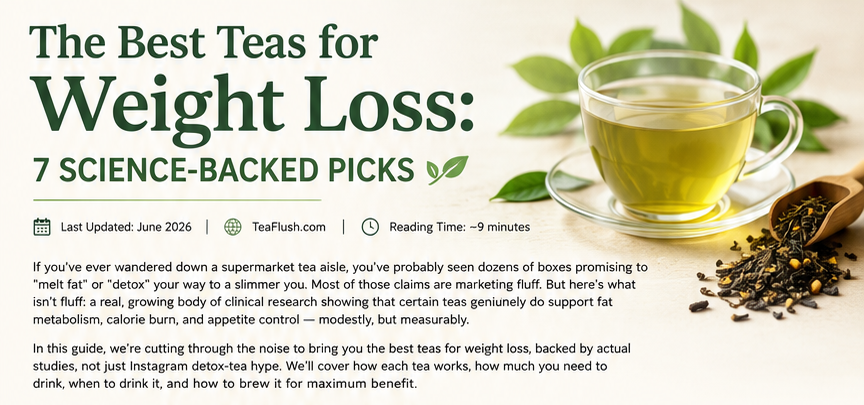
The Best Teas for Weight Loss: 7 Science-Backed Picks
Last Updated: June 2026 | TeaFlush.com | Reading Time: ~9 minutes
If you’ve ever wandered down a supermarket tea aisle, you’ve probably seen dozens of boxes promising to “melt fat” or “detox” your way to a slimmer you. Most of those claims are marketing fluff. But here’s what isn’t fluff: a real, growing body of clinical research showing that certain teas genuinely do support fat metabolism, calorie burn, and appetite control — modestly, but measurably.
In this guide, we’re cutting through the noise to bring you the best teas for weight loss, backed by actual studies, not just Instagram detox-tea hype. We’ll cover how each tea works, how much you need to drink, when to drink it, and how to brew it for maximum benefit.
Table of Contents
Quick Answer: The teas with the strongest scientific backing for weight loss are green tea (most studied, rich in EGCG), oolong tea (boosts energy expenditure by up to 10%), pu-erh tea (helps block fat absorption), and white tea (high catechins, minimal processing). For best results, most studies recommend 3–4 cups daily for 8–12 weeks alongside a balanced diet.
How Does Tea Actually Help With Weight Loss?
Before ranking the best teas for weight loss, it helps to understand the mechanisms at play. Tea doesn’t melt fat directly — no food or drink does. Instead, certain compounds in tea support the body’s existing fat-burning and appetite-regulating systems:
- Catechins (especially EGCG): Powerful antioxidants found mainly in green and white tea that work alongside caffeine to extend the activity of norepinephrine, a hormone that signals the body to break down fat for energy.
- Caffeine: A mild stimulant that increases thermogenesis (calorie burning through heat production) and supports alertness, often making workouts feel easier.
- Theaflavins: Found in oxidized teas like black and oolong, these compounds work alongside catechins for a “dual-action” metabolic boost.
- Polyphenols and gut microbiota support: Especially in pu-erh tea, these compounds may influence how the body absorbs and stores dietary fat.
Here’s the honest, unhyped truth: a major meta-analysis of clinical trials found that green tea catechins led to an average weight loss of about 1.3 kilograms (roughly 3 pounds) compared to control groups — modest, not magical. But when combined with a healthy diet and regular movement, tea becomes a genuinely useful tool, not a miracle cure.
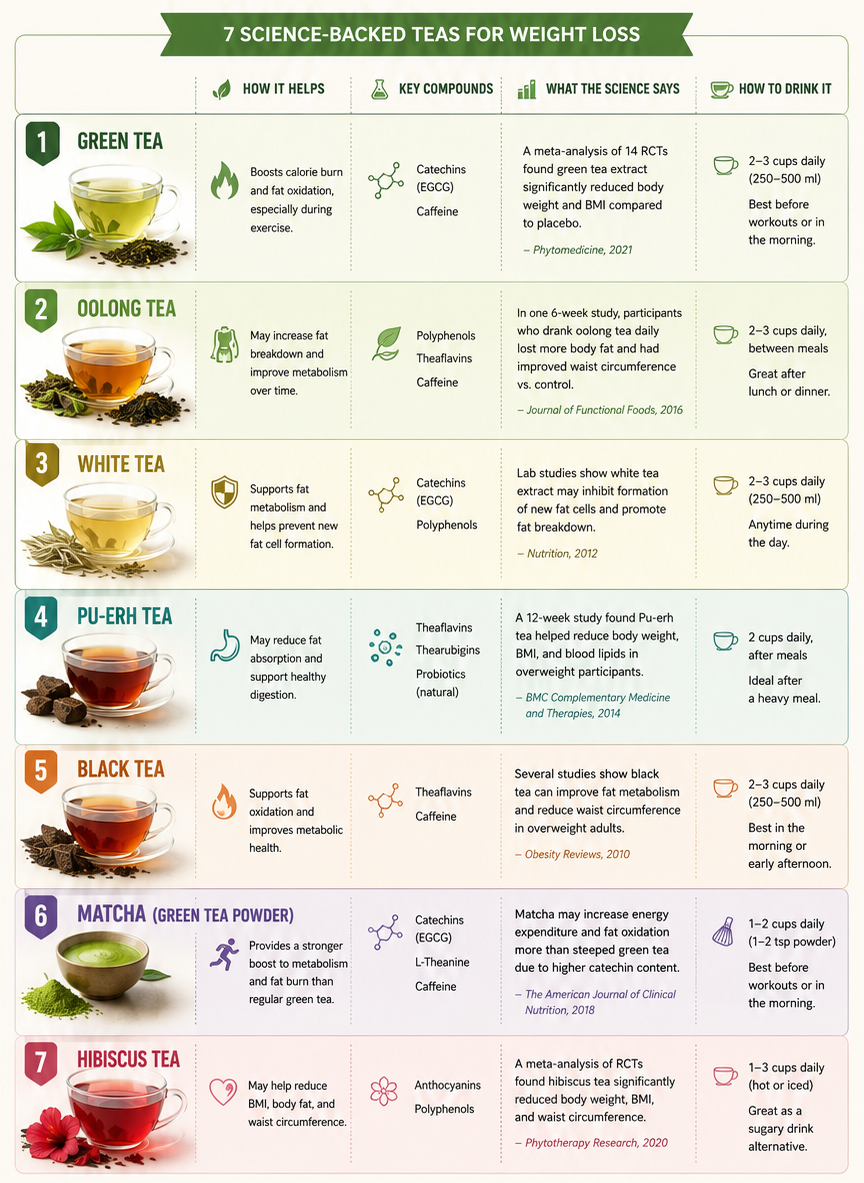
1. Green Tea — The Gold Standard
Green tea is, by a wide margin, the most researched tea for weight management. Its reputation comes primarily from EGCG (epigallocatechin gallate), the most potent catechin in the plant, which works synergistically with caffeine to boost calorie burn.
What the research shows:
- One study found green tea extract increased 24-hour energy expenditure by 4%, helping participants burn more calories even at rest.
- A 12-week study found participants who drank 4–5 cups of green tea daily alongside a 25-minute workout lost an average of 2 more pounds and more belly fat than non-tea-drinking exercisers.
- Green tea consumption alone (without exercise) has been linked to burning an additional 75–100 calories per day.
- Interestingly, people with low habitual caffeine intake (under 300mg/day) see nearly double the benefit compared to heavy coffee drinkers — your body’s caffeine tolerance matters.
How to brew it for maximum benefit: Use water just below boiling (around 175°F / 80°C) and steep for 3–5 minutes. This extracts the most catechins without making the tea overly bitter. Avoid bottled, sugar-sweetened green teas — they cancel out the benefits entirely.
Best for: Morning energy, daily metabolic support, beginners to weight-loss tea routines.
| Image | Name | Summary | Price | Buy |
|---|---|---|---|---|
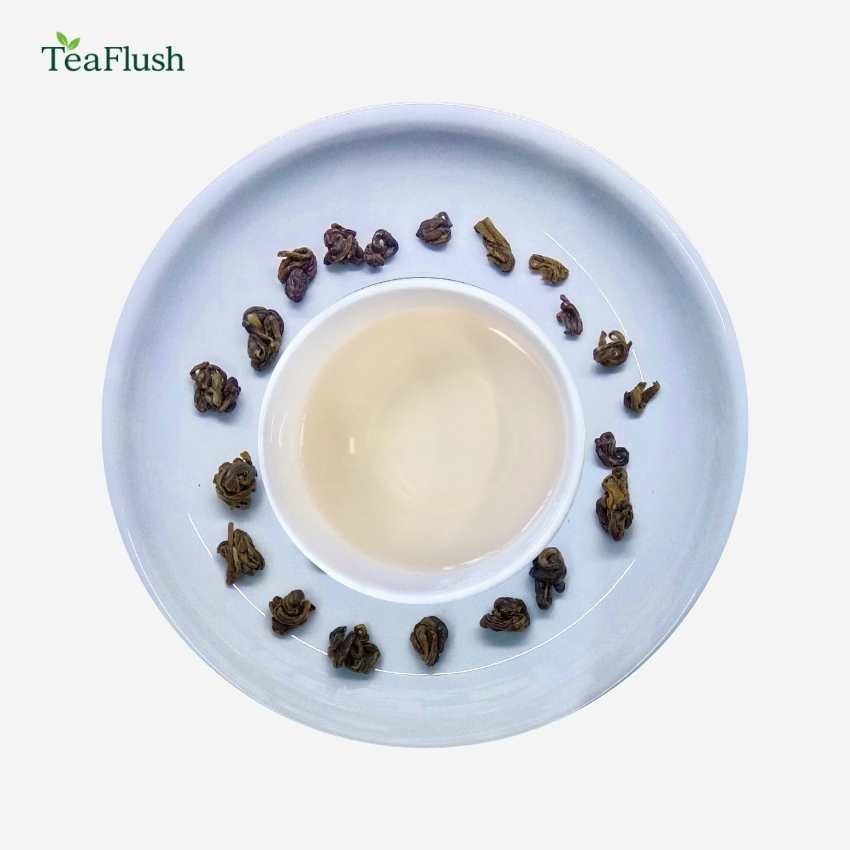 | Pearl Green Tea 50 grams | Pearl Green Tea is a premium, artisanal loose-leaf tea celebrated for its unique spherical shape, captivating aroma, and smooth flavor profile. Key Health Benefits
| ₹360,00 | |
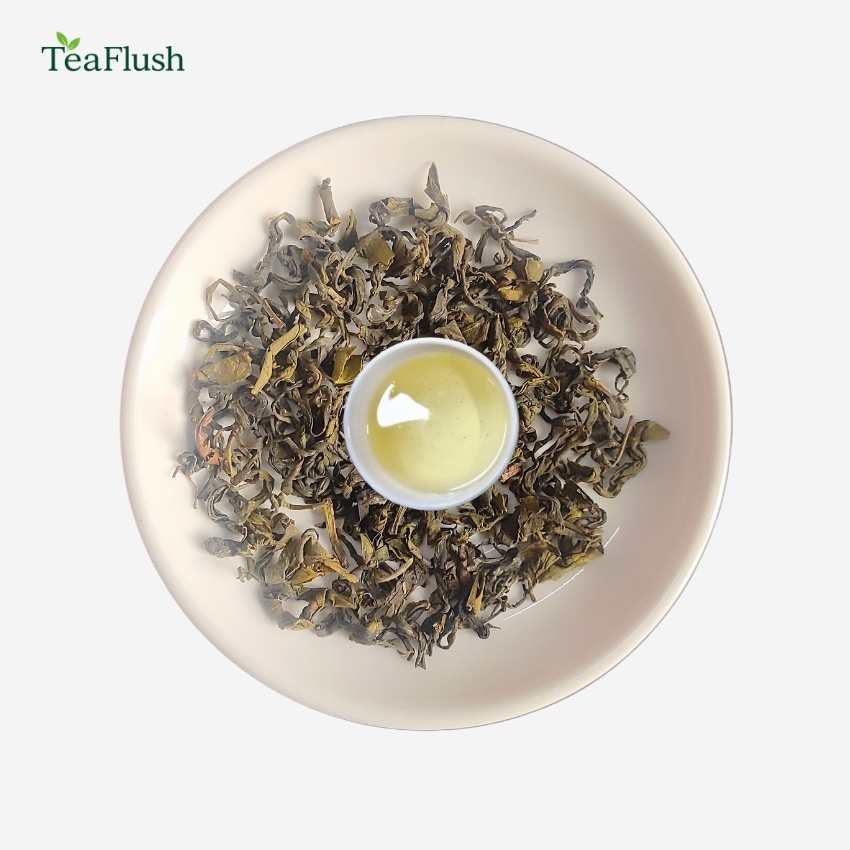 | Green Tea - Morning 100 grams |
Green Tea — Morning is a first flush Darjeeling green tea crafted for those who greet the day with intention. Plucked at the very onset of spring from high-altitude gardens draped in Himalayan mist, these young, tender leaves are gently steamed and dried — never oxidised — to preserve every shade of their natural vitality.
The liquor is a clear, pale jade — almost ethereal in the morning light. On the nose, it opens with the clean freshness of dewy grass and sweet spring herbs. In the cup, expect a gentle vegetal sweetness layered with notes of steamed greens, honeydew melon, and a delicate floral lift that lingers long after the last sip | ₹389,00 | |
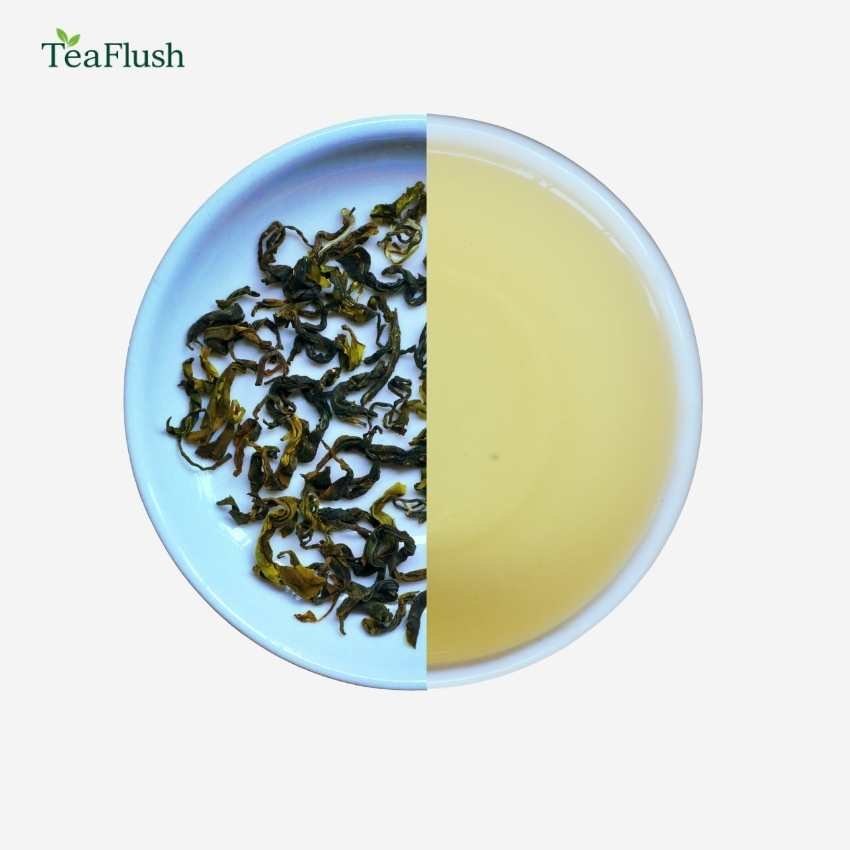 | Green Tea Regular | Loose Leaf Tea | 100g | Green Tea Regular is our most beloved everyday green — picked from the highest-altitude gardens in Darjeeling’s Sungma estate, where cool mists roll in each dawn and slow the leaves just enough to build a depth that flat-valley teas never achieve. This is a first-flush harvest, gathered in early spring before the monsoon arrives. First-flush greens are lighter and more delicate than later pickings: expect a clean, vegetal sweetness with a hint of fresh peas and a whisper of jasmine that opens as the cup cools. We process each batch within hours of picking using traditional pan-firing to lock in the bright color and suppress oxidation — keeping every sip as close to the living leaf as possible. | ₹370,00 |
2. Oolong Tea — The Metabolic Powerhouse
Oolong sits in the fascinating middle ground between green and black tea — partially oxidized, giving it a unique chemical profile that combines the benefits of both.
What the research shows:
- Research published in the Chinese Journal of Integrative Medicine found that oolong tea increased energy expenditure by 10% over two hours — notably higher than both green and black tea in the same study.
- Other research found oolong tea drinkers experienced a 12% increase in fat breakdown after six weeks of regular consumption.
- Oolong contains both catechins and theaflavins, giving it dual-action metabolic support that single-category teas don’t offer.
How to brew it: Steep at 190–200°F (88–93°C) for 3–4 minutes. Oolong leaves can typically be re-steeped multiple times, with each infusion revealing different flavor notes.
Best for: Pre-meal appetite control, afternoon energy without the caffeine crash of coffee.
3. White Tea — The Underrated Contender
White tea is often overlooked in weight-loss discussions, but it shouldn’t be. Made from young leaves and buds with minimal processing, it retains an exceptionally high concentration of catechins.
What the research shows:
- White tea comes from the same plant as green, black, and oolong tea, but its minimal oxidation preserves delicate, beneficial compounds that other processing methods can degrade.
- One animal study comparing six types of tea found white tea performed best for weight loss — though researchers note that human trials are still limited, so this finding should be treated as promising rather than definitive.
How to brew it: White tea is delicate — use cooler water (around 175°F / 80°C) and steep for 4–5 minutes to avoid bitterness while preserving its subtle, naturally sweet flavor.
Best for: Those who find green tea too bitter; light, easy-drinking metabolic support throughout the day.
4. Pu-erh Tea — The Fat-Blocker
Pu-erh is a fermented Chinese tea with a distinctive earthy flavor and a long history in traditional Chinese medicine as a digestive aid.
What the research shows:
- Pu-erh tea is recognized for its potential ability to help the body metabolize fat more efficiently, and is traditionally consumed after meals in Chinese weight-management routines.
- It’s often described as helping to “block” excess fat absorption when consumed alongside meals, working through its unique fermentation-derived compounds and effects on gut bacteria.
How to brew it: Rinse the leaves briefly with hot water first (a traditional step that “awakens” the leaves), then steep at around 200–212°F (93–100°C) for 3–5 minutes.
Best for: After heavy or fatty meals, digestive support, evening use (pu-erh is naturally lower in caffeine than green or black tea).
5. Black Tea — The Steady Performer
Fully oxidized and bold in flavor, black tea doesn’t get as much weight-loss attention as green tea, but it has its own metabolic profile worth noting.
What the research shows:
- Black tea is rich in theaflavins and thearubigins — compounds formed during oxidation that have been linked to improved fat metabolism and gut microbiome health.
- Its caffeine content (typically the highest among true teas) provides a reliable thermogenic and energy boost, useful for supporting morning workouts.
How to brew it: Use boiling water (200–212°F / 93–100°C) and steep for 3–5 minutes depending on desired strength.
Best for: Coffee drinkers transitioning to tea; those who want a robust, full-bodied cup with steady energy.
6. Ginger Tea — The Appetite Tamer
Not a “true tea” (it contains no Camellia sinensis), but ginger tea deserves a place on this list for its complementary role in weight management.
What the research shows:
- Ginger tea has documented anti-inflammatory properties and may support some aspects of weight loss and metabolic health, particularly in people carrying excess weight.
- It’s commonly used to ease digestive discomfort and may help reduce post-meal bloating, making it a popular choice after large meals.
Note: Exact dosing for weight-loss benefits isn’t well-established in current research, but like all teas on this list, replacing a sugary beverage with ginger tea adds up over time.
Best for: Post-lunch cravings, digestive comfort, caffeine-free afternoons.
7. Hibiscus Tea — The Caffeine-Free Option
Tart, vibrant red, and naturally caffeine-free, hibiscus tea (sometimes called “sour tea”) is a favorite for those avoiding stimulants in the evening.
What it offers:
- Rich in anthocyanins and antioxidants that support overall metabolic health, even without the caffeine-driven thermogenic effect of true teas.
- A satisfying, naturally sweet-tart alternative to sugary sodas or juices — useful simply as a calorie-free substitution strategy.
Best for: Evening drinking, caffeine-sensitive individuals, replacing sugary drinks.
Comparison Table: Which Tea Should You Choose?
| Tea Type | Key Compound | Caffeine (per cup) | Best Time to Drink | Research Strength |
|---|---|---|---|---|
| Green Tea | EGCG + caffeine | 20–45mg | Morning | Strongest / Most studied |
| Oolong Tea | Catechins + theaflavins | 30–50mg | Pre-meal / Afternoon | Strong |
| White Tea | High catechins | 15–30mg | Anytime | Promising (mostly animal studies) |
| Pu-erh Tea | Fermentation compounds | 30–70mg | After meals | Moderate / Traditional use |
| Black Tea | Theaflavins | 40–70mg | Morning | Moderate |
| Ginger Tea | Gingerol | 0mg | After lunch | Limited but supportive |
| Hibiscus Tea | Anthocyanins | 0mg | Evening | Limited but supportive |
How Much Tea Should You Drink for Weight Loss?
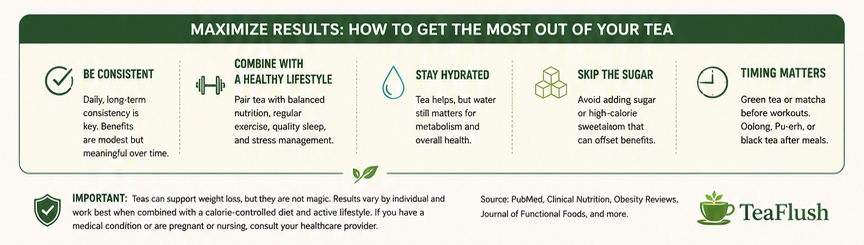
Consistency matters more than any single “magic cup.” Based on the available clinical research, here’s what’s generally recommended:
- Quantity: 3–4 cups of strong tea daily
- Duration: At least 8–12 weeks before expecting measurable results
- EGCG target (for green tea specifically): 100–460mg of EGCG plus 80–300mg of caffeine per day, roughly equivalent to 3–4 strong cups
- Consistency over intensity: Drinking tea regularly over months matters far more than drinking a large amount once
Important caveat: these are averages from clinical studies, not guarantees. Individual results vary based on genetics, baseline diet, activity levels, and overall caloric intake.
A Sample Daily Tea Routine
Rather than relying on a single tea all day, consider rotating through different types to get a broader range of benefits while managing your caffeine intake sensibly:
| Time of Day | Recommended Tea | Why |
|---|---|---|
| 6–10 AM | Green or black tea | Thermogenic boost and sustained morning energy |
| 10 AM–12 PM | Oolong or white tea | Continued metabolic support without excess caffeine |
| 12–4 PM | Ginger or pu-erh tea | Curbs post-lunch cravings, supports digestion |
| 4–8 PM | Hibiscus or rooibos | Caffeine-free metabolic and antioxidant support |
| 8–10 PM | Chamomile | Supports sleep quality — a foundational pillar of metabolic health |
Common Mistakes That Cancel Out Tea’s Benefits
- Adding sugar, honey, or syrups: This adds calories that directly offset any metabolic benefit you’re trying to gain.
- Drinking too late at night: Caffeinated teas can disrupt sleep, and poor sleep undermines weight management far more than any single beverage can help it.
- Relying on tea alone: Tea is a supportive tool, not a replacement for a balanced diet and regular movement.
- Using low-quality tea bags or “detox tea” blends: Many commercial detox teas rely on laxative herbs rather than legitimate metabolic compounds — these can cause dehydration and digestive distress rather than real fat loss.
- Buying bottled, sweetened teas: Many bottled “diet teas” contain as much sugar as soda. Always brew your own.
Frequently Asked Questions
Q: What is the single best tea for weight loss?
Green tea has the strongest and most consistent body of clinical research behind it, primarily due to its high EGCG content combined with caffeine. However, oolong tea shows comparable or even superior short-term effects on energy expenditure in some studies.
Q: Can tea alone make you lose weight without diet changes?
No. Clinical studies show modest results (around 1.3kg / 3lbs on average) when tea is the only variable changed. Tea works best as part of a broader healthy lifestyle that includes balanced nutrition and physical activity.
Q: Is it safe to drink 3–4 cups of tea every day?
For most healthy adults, yes. However, those sensitive to caffeine, pregnant or breastfeeding individuals, or people with certain heart conditions should consult a doctor before increasing tea intake, especially with caffeinated varieties.
Q: Does milk or sugar reduce tea’s weight-loss benefits?
Sugar directly adds calories, working against your goals. Some research suggests milk proteins may slightly bind to catechins and reduce their absorption, so it’s generally best to drink weight-loss-focused teas plain.
Q: How long until I see results from drinking tea for weight loss?
Most clinical trials measuring meaningful results ran for 8 to 12 weeks or longer of consistent daily consumption. Don’t expect noticeable changes within days or even a couple of weeks.
Q: Are “detox teas” sold on social media effective for weight loss?
Most commercial detox teas rely on laxative or diuretic herbs that cause temporary water weight loss, not fat loss, and can lead to dehydration or digestive issues with regular use. Stick to whole-leaf green, oolong, white, pu-erh, or black tea instead.
Final Thoughts
There’s no single “best tea for weight loss” that works as a standalone miracle — but green tea, oolong tea, white tea, and pu-erh tea all carry genuine, research-supported metabolic benefits when consumed consistently as part of a healthy lifestyle. The real secret isn’t found in any one cup; it’s in the daily habit of choosing tea over sugary drinks, brewing it properly to maximize its natural compounds, and giving your body the 8–12 weeks it needs to respond.
At TeaFlush.com, we believe that great tea should be enjoyed for its flavor first — and any wellness benefits are simply a welcome bonus. Explore our collection of premium loose-leaf green, oolong, and white teas to start building your own weight-conscious tea ritual today.
Disclaimer: This article is for informational purposes only and is not a substitute for professional medical advice. Consult a healthcare provider before making significant changes to your diet or routine, especially if you have underlying health conditions.
Related Articles:
- Green Tea vs Oolong Tea: Which Is Right for You?
- How to Brew the Perfect Cup of Green Tea Every Time
- Pu-erh Tea 101: Everything You Need to Know
- 10 Health Benefits of Drinking Tea Daily
Tags: best teas for weight loss, green tea weight loss, oolong tea benefits, white tea, pu-erh tea, metabolism boosting tea, healthy tea habits, TeaFlush