Published on TeaFlush.com | Your Complete Tea Resource
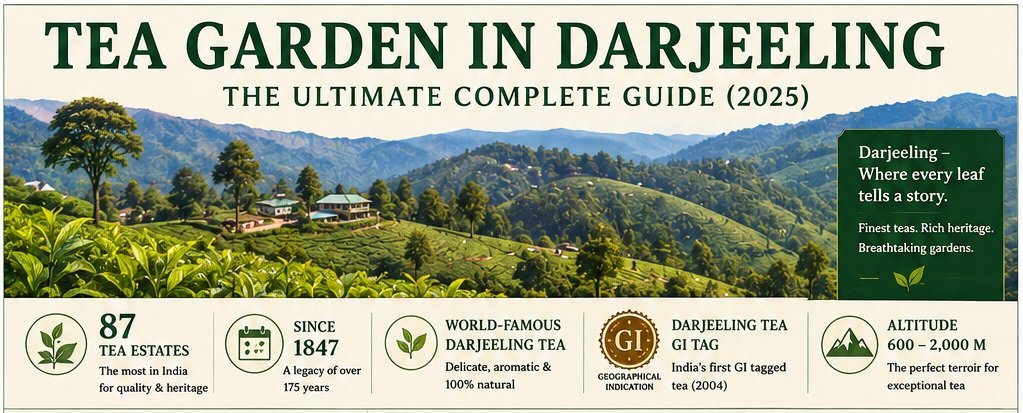
Somewhere between six hundred and two thousand metres above sea level, in the mist-wrapped foothills of the Himalayas in West Bengal’s Darjeeling district, the most celebrated tea in the world is quietly, carefully, and unhurriedly made.
People often call Darjeeling tea the “Champagne of teas” — and it earns the title honestly. Its unique muscatel flavour, its extraordinary floral first flush, its handcrafted processing tradition, and its irreplaceable combination of altitude, soil, mist, and climate have made Darjeeling tea a protected geographical designation — the only tea in India with a GI (Geographical Indication) tag — and the gold standard against which all other premium teas are measured.
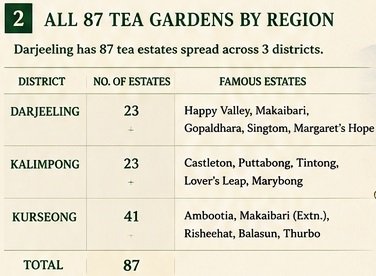
At the heart of all of this are the tea gardens of Darjeeling: 87 tea estates spread over a region of seven valleys which cover almost all of the Darjeeling hills. Each one is a world unto itself — with its own altitude, its own founding story, its own microclimate, and its own distinctive fingerprint in the cup. Together, they form the most concentrated and historically significant tea-growing landscape in the world.
Table of Contents
This guide covers every dimension of the Darjeeling tea garden story: the history that built it, the geography that defines it, the 87 estates across seven regions, the seasonal harvest calendar that governs it, the most celebrated gardens to visit and to buy from, and the practical travel information you need to experience it in person.
This is the only guide to Darjeeling tea gardens you will ever need.
Chapter 1: What Is a Tea Garden in Darjeeling?
The Definition and Legal Protection
A tea garden in Darjeeling — also called a tea estate, tea plantation, or simply “garden” in industry terminology — is a certified commercial tea-growing and processing operation within the Darjeeling district of West Bengal, India.
The following tea gardens come under Darjeeling hills and Darjeeling Sadar sub-division and only the teas grown and manufactured in these tea gardens are collectively referred to as Darjeeling Tea.
This legal definition is the foundation of the Darjeeling GI (Geographical Indication) tag — India’s first GI certification, awarded to Darjeeling tea in 2004. The GI protection means:
- Only tea grown within the legally defined Darjeeling tea area can be labeled and sold as “Darjeeling Tea”
- The certification mark — a distinctive Tea Board of India logo — must appear on authentic products
- No tea grown outside the district, regardless of quality or similarity, can legally use the name “Darjeeling”
Darjeeling is recognised globally for producing some of the finest teas in the world. It even holds a Geographical Indication (GI) tag, meaning only tea grown and processed here can be called “Darjeeling tea.”
What a Tea Garden Contains
A Darjeeling tea garden is not simply a field of tea plants. It is a complete, integrated operation that includes:
The Plantation: Terraced rows of tea bushes on Himalayan hillsides, at altitudes from 600 to over 2,000 metres, across slopes that may face east, west, north, or south — each orientation creating different growing conditions.
The Factory: Every significant tea estate has its own on-site processing factory where the harvested leaves are withered, rolled, oxidized, fired, and sorted — typically within hours of plucking.
The Worker Community: Estate workers and their families live on the estate itself — in worker lines (housing provided by the estate), with children attending estate schools and families accessing estate healthcare.
The Heritage Structures: Many estates retain colonial-era bungalows, original factories with Victorian machinery, and historic buildings that reflect the 170-year history of Darjeeling tea.
| Image | Name | Summary | Stock | Price | Buy |
|---|---|---|---|---|---|
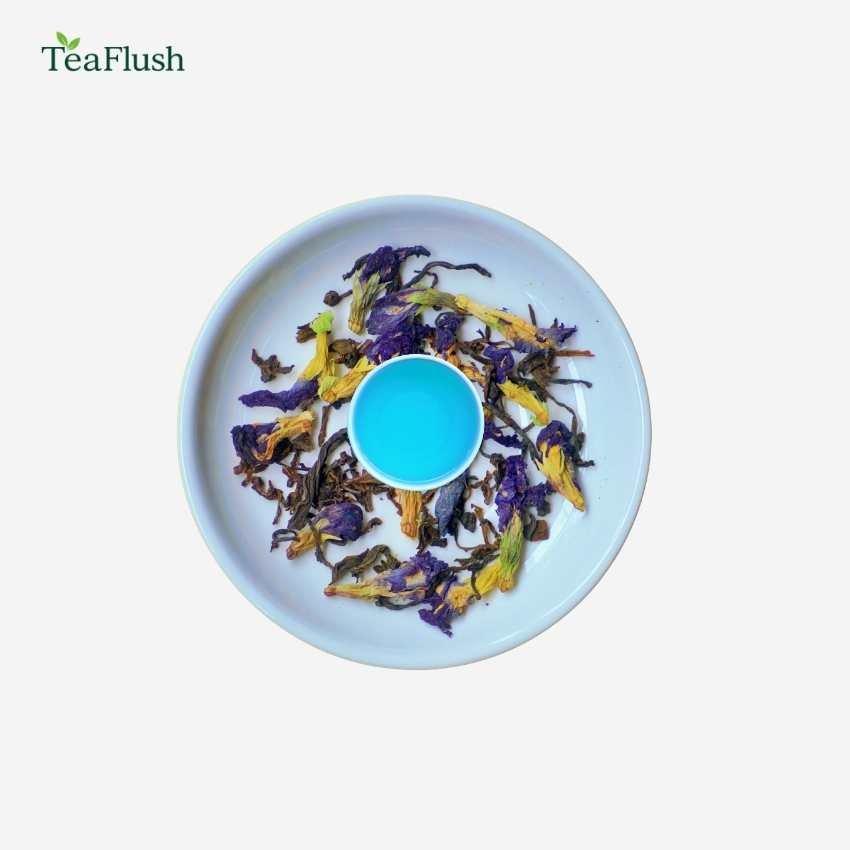 | Blue Tea | Blue Tea is a captivating, caffeine-free herbal infusion made from premium butterfly pea flowers (Clitoria ternatea). This vibrant, antioxidant-rich tea brews into a stunning, deep sapphire blue color that transforms into a brilliant purple with a squeeze of lemon juice. Perfect for evening relaxation, mindful wellness rituals, and stunning cocktail bases, it offers a soothing, earthy flavor profile that calms the senses and delights the eyes. | In stock | ₹589,00 | |
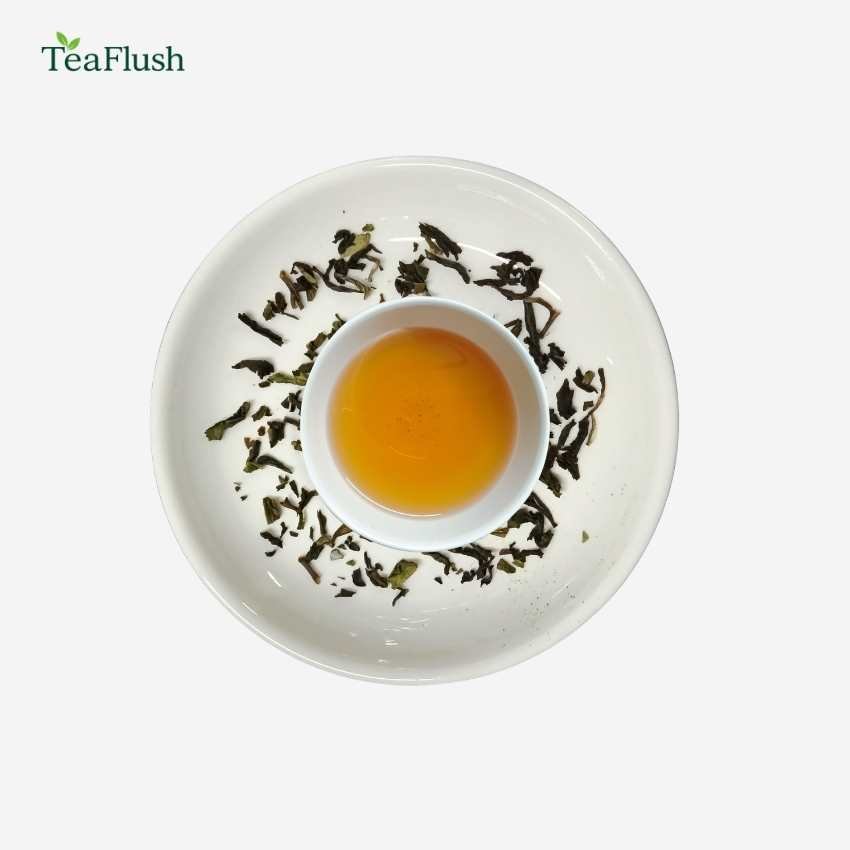 | Giddhapahar FTGFOP Tea 2026 100g | Giddapahar FTGFOP (Fine Tippy Golden Flowery Orange Pekoe) is an exquisite, artisanal black tea crafted from century-old heritage China bushes in Darjeeling’s boutique, family-run Giddapahar Estate.
| 1 in stock | ₹489,00 | |
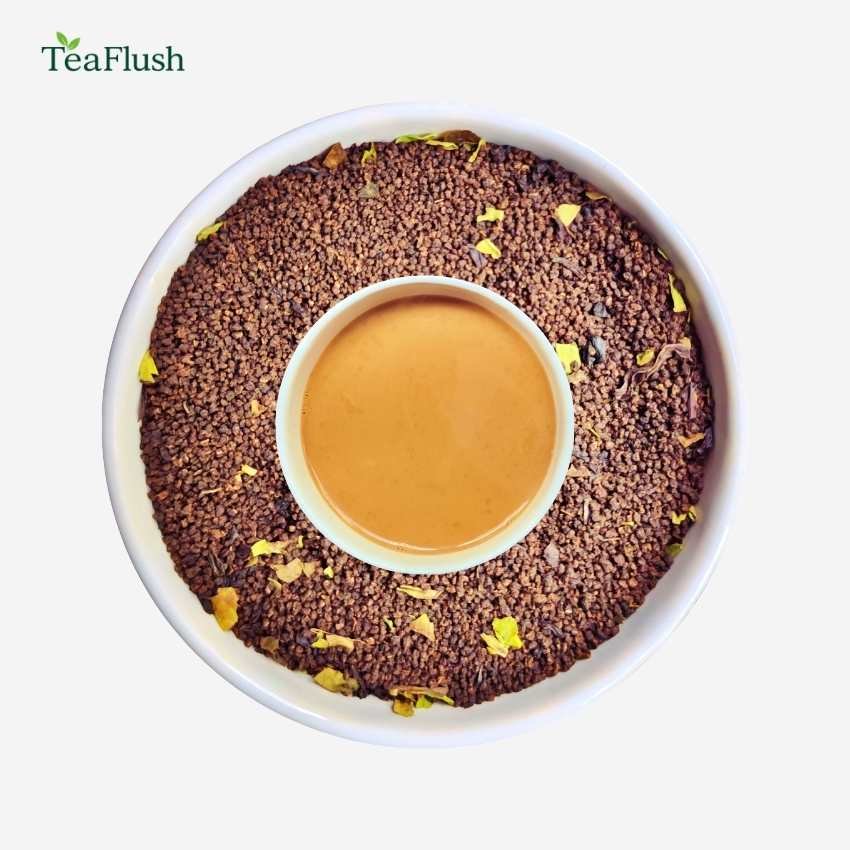 | CTC Tea Assam Fresh 900 Grams | CTC Tea Assam Fresh Flavour of the tea: Top of the line, golden bright, full-bodied cup. Rich, creamy & smooth with depth and strength. Compliments: Pair it with full-flavored foods, like spicy dishes. Pastries also taste excellent when served with a cup of black tea alongside. Accreditation: Classic Assam Tea is a strong tea. The tea will invigorate your senses and will get your mental gears running for the rest of the day. Its briskness, malty flavour and strong, bright colour will perk you up immediately. | In stock | Price range: ₹400,00 through ₹548,00 | |
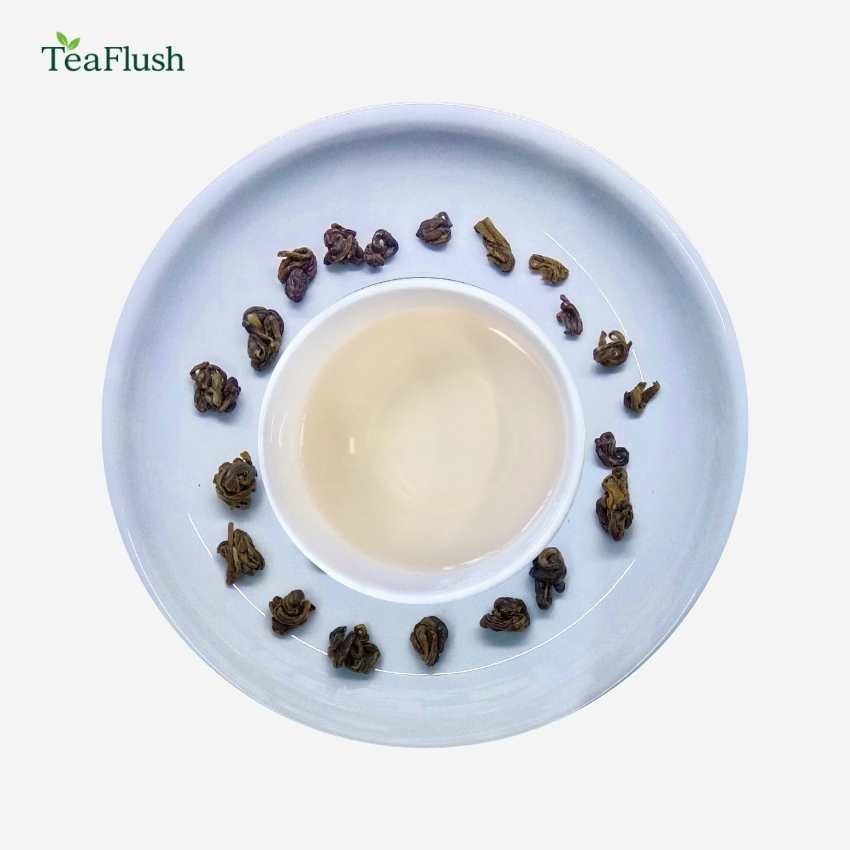 | Pearl Green Tea 50 grams | Pearl Green Tea is a premium, artisanal loose-leaf tea celebrated for its unique spherical shape, captivating aroma, and smooth flavor profile. Key Health Benefits
| 1 in stock (can be backordered) | ₹360,00 | |
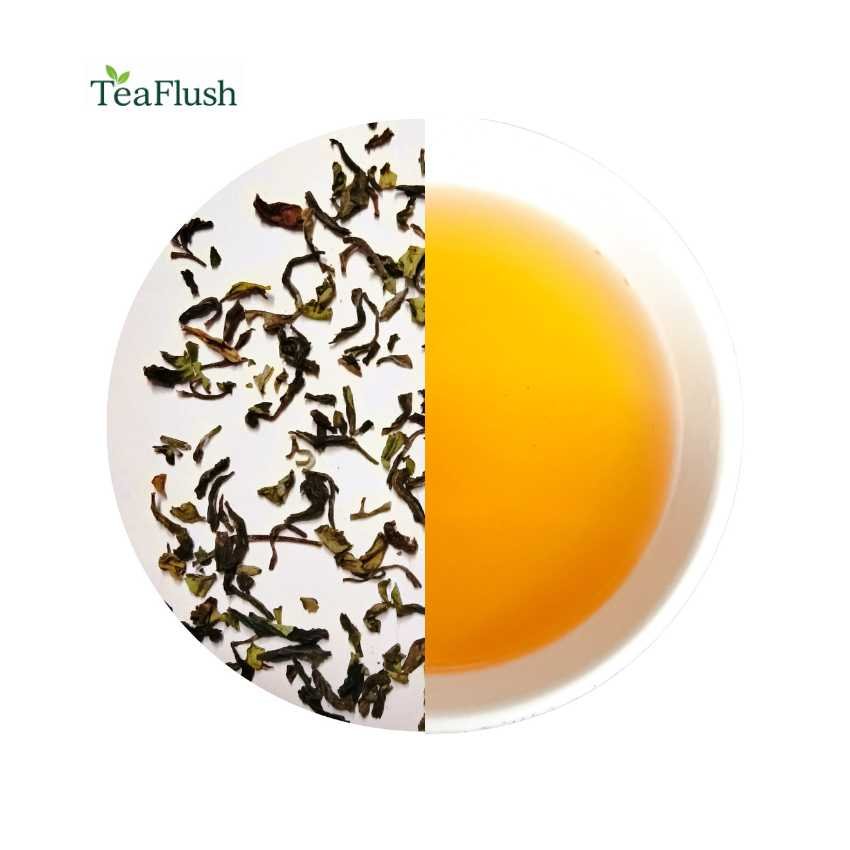 | Giddapahar China Special Tea | First Flush | Giddapahar China Special Tea – First Flush Tea Flush. The dry leaves are uncut and have a bright green shade. The long well twisted curled leaves are a visual delight. The aroma is pleasant. It has notes of roasted almonds with a hint of lime like aroma. | 100 in stock (can be backordered) | Price range: ₹450,00 through ₹900,00 | |
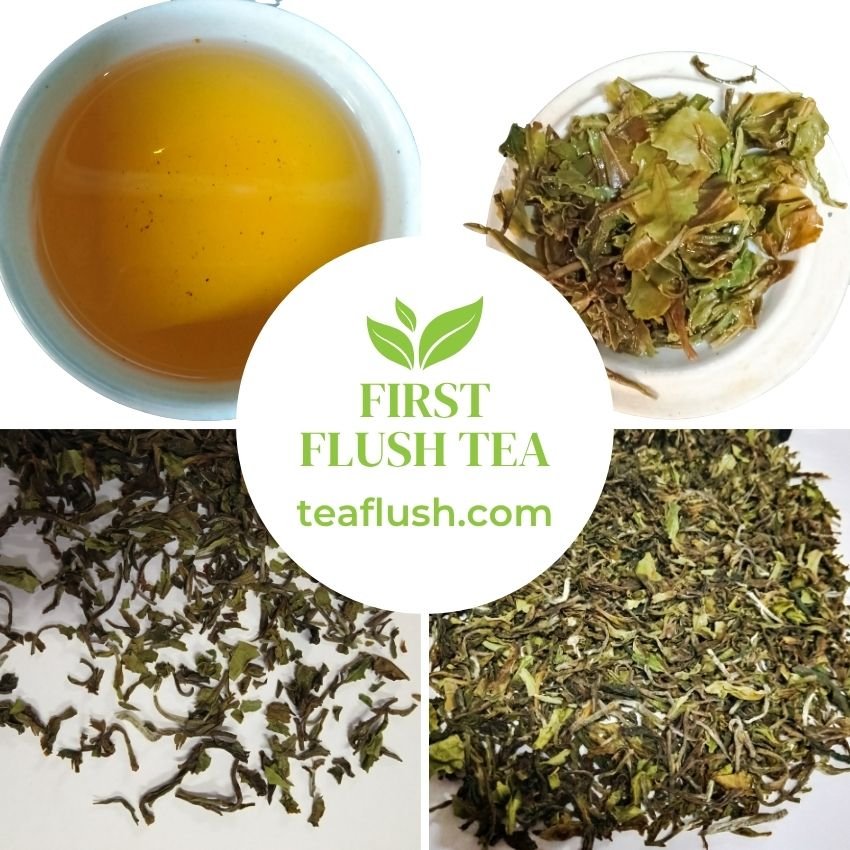 | Giddapahar – Clonal Delight Darjeeling Tea First Flush 2026 | Darjeeling First Flush Tea – Giddapahar’s Delight Tea, is a rare, limited spring harvest from one of Darjeeling’s most beloved boutique estates. It is a light-bodied, floral black tea hand-plucked from century-old China bushcultivars at 4,500 ft — delivering a crisp, luminous cup with fresh notes of white flower, green apple, and a signature caramel finish. A true “Champagne of Teas.” | 1 in stock | Price range: ₹530,00 through ₹750,00 | |
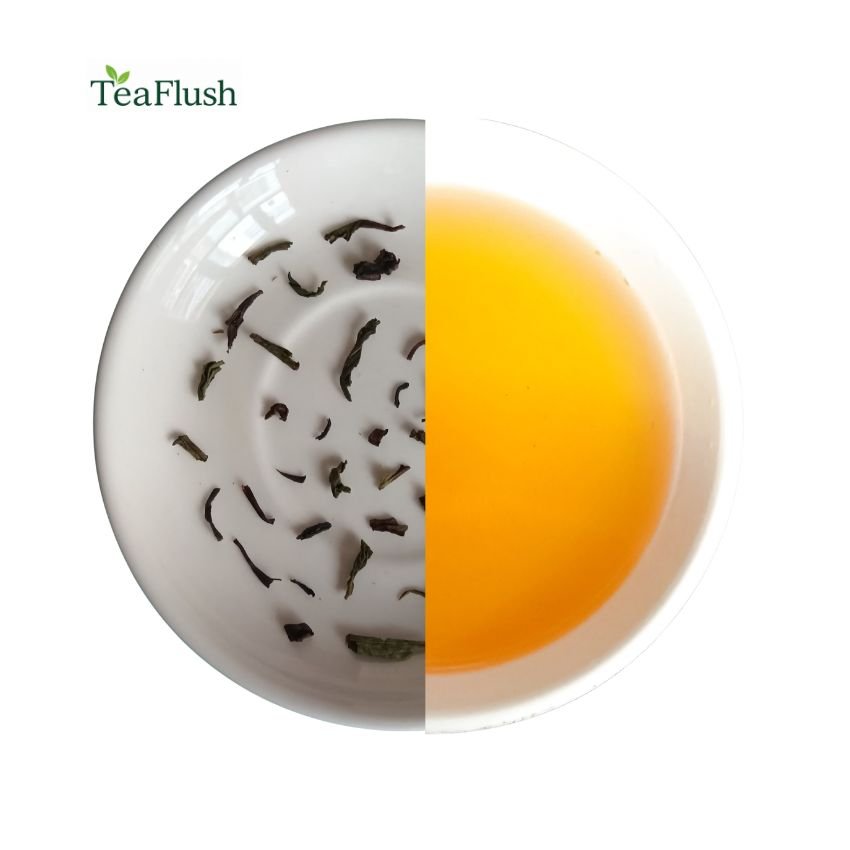 | Giddapahar SFTGFOP 100 grams | Giddapahar Tea Estate SFTGFOP — First Flush Darjeeling Black Tea. A rare, heritage single-estate Darjeeling from the 143-year-old Giddapahar garden perched at 4,800 ft on Eagle’s Cliff, Kurseong Valley. Crafted from century-old pure China tea bushes — prized for its light golden liquor, delicate muscatel character, and a lingering floral sweetness. | 2 in stock | ₹400,00 | |
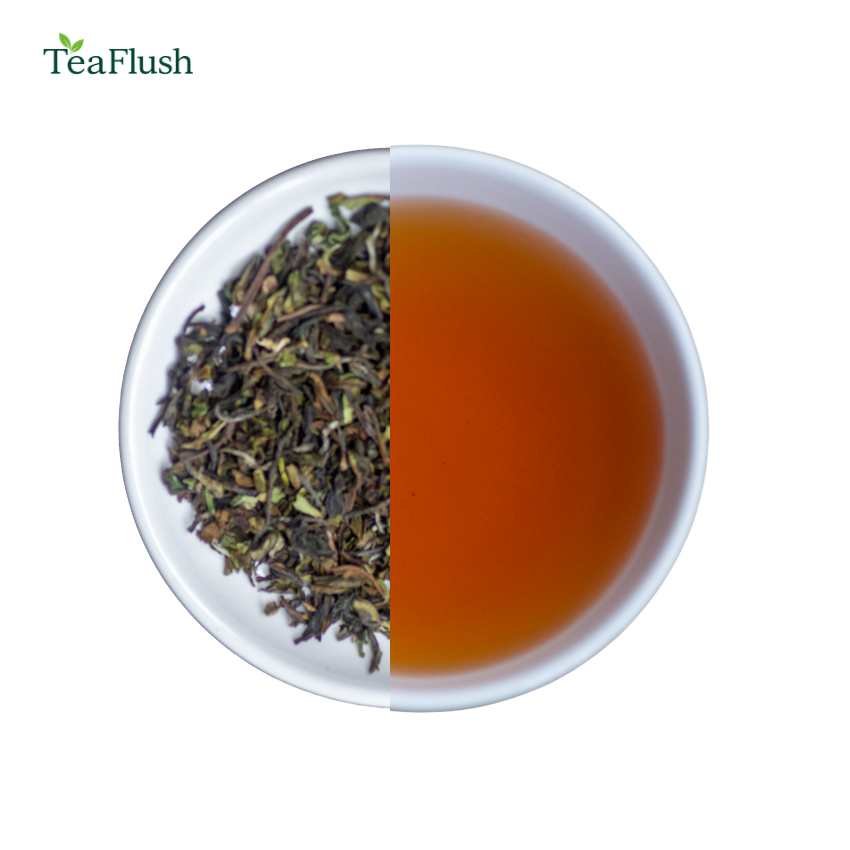 | Yanki First Flush Darjeeling Tea 100G | Loose Leaf | Buy Online | Spring-harvested first flush from Yanki’s small-farm cooperative in Mirik Valley, Darjeeling — Yanki First Flush Darjeeling tea naturally grown at 7,000 ft, handpicked two-leaves-and-a-bud. Delicate gold liquor with floral, muscatel, and sweet almond notes. | 1 in stock | ₹469,00 | |
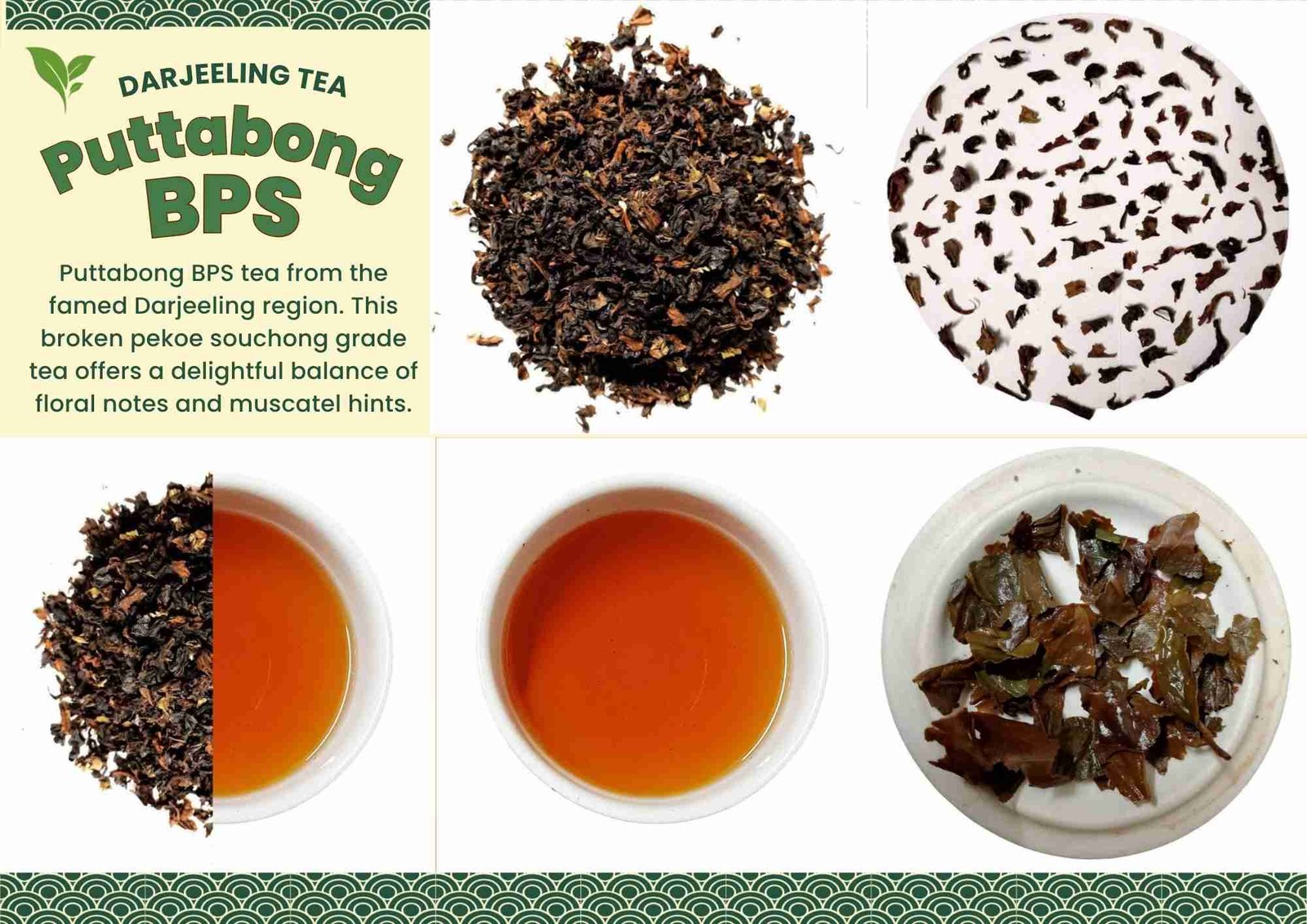 | Puttabong BPS Tea 100grams | Puttabong BPS tea from the famed Darjeeling region.
Handcrafted with care at the historic Puttabong Tea Estate, this broken pekoe souchong grade tea offers a delightful balance of floral notes and muscatel hints.
| 1 in stock | ₹1.100,00 | |
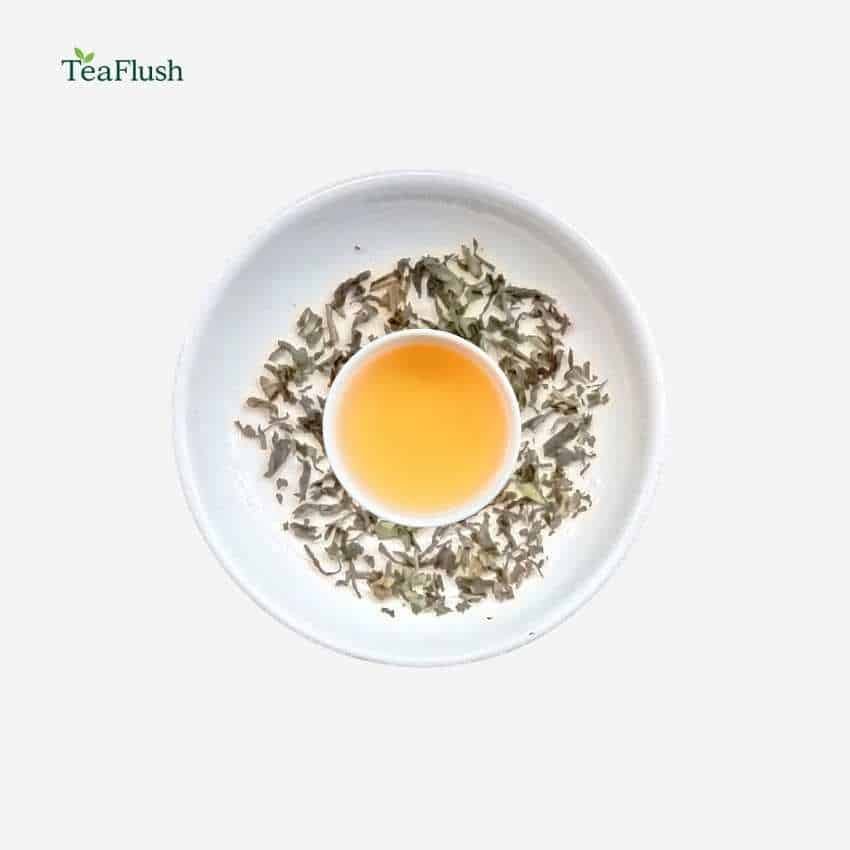 | First Flush Darjeeling Tea 50G | First Flush Darjeeling Tea 50Grams Approx 25 Cups Experience the “Champagne of Teas“ with our premium Darjeeling First Flush, a rare and highly prized spring harvest from the misty foothills of the Himalayas. Plucked by hand during the very first spring bloom, this exquisite tea captures the essence of renewal in every cup.
It offers a light, bright, and lively liquor with a strikingly floral aroma, crisp muscatel notes, and a clean, refreshing finish. Perfect for tea connoisseurs, this delicate infusion is best enjoyed pure and untamed, without any milk or sugar.
🌱 Product Highlights
| 1 in stock | ₹489,00 | |
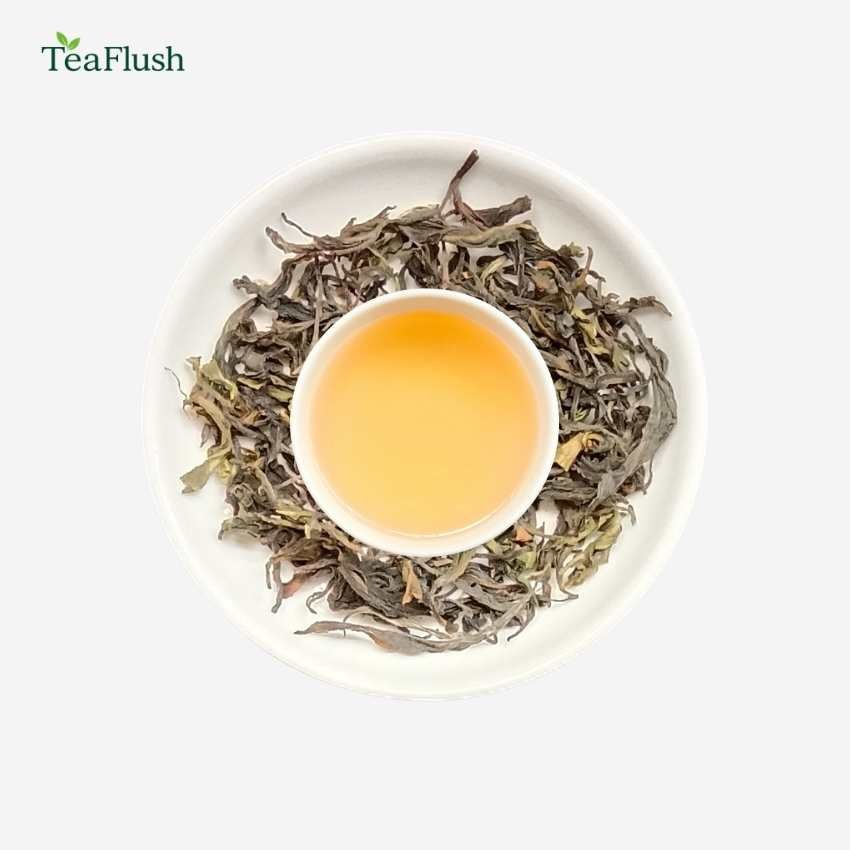 | Yanki Whole Leaf First Flush Tea 50g | Yanki Whole Leaf First Flush Tea (50g) – The Freshness of Spring in Every Sip Approx. 25 Cups Experience the pinnacle of tea craftsmanship with Yanki First Flush Tea. Hand-plucked during the very first harvest of the spring season, these pristine whole leaves capture the pure, untouched essence of the tea estate. Why You’ll Love It:
Treat yourself to an authentic tea-drinking ritual. Steep a cup of Yanki First Flush and savor the delicate luxury of nature’s finest harvest. | 1 in stock | Original price was: ₹1.400,00.₹698,00Current price is: ₹698,00. | |
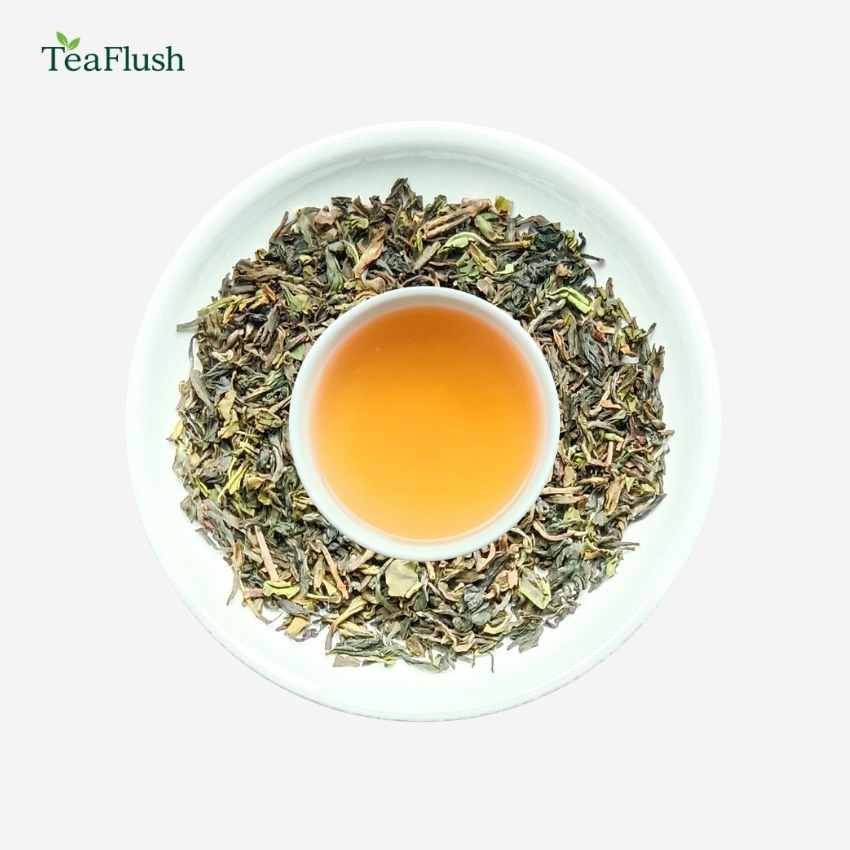 | Loose Leaf Tea | FOP Tea | 50 grams | Loose Leaf Tea FOP Tea 50 grams Approx 25 Cups | 1 in stock | ₹348,00 | |
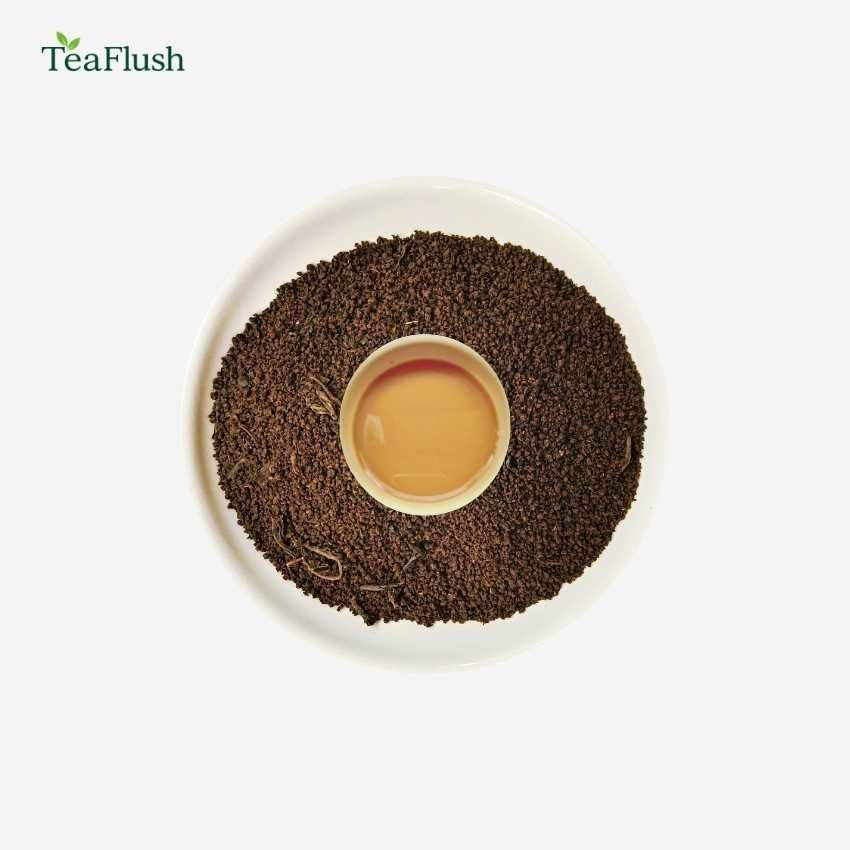 | CTC Dooars Tea 1 Kg | CTC Dooars Tea is a medium budget tea. The tea is strong, full-bodied black tea made using the modern Crush, Tear, Curl (CTC) processing method. This technique processes high-quality tea leaves into uniform, dense black pellets that infuse quickly and deeply. It is specifically crafted for everyday drinking, delivering a bold, astringent flavor and a rich, deep amber color. This blend is highly robust, making it the perfect base for traditional milk tea, spiced chai, or a strong morning brew.
Key Product Highlights
| 198 in stock | ₹789,00 | |
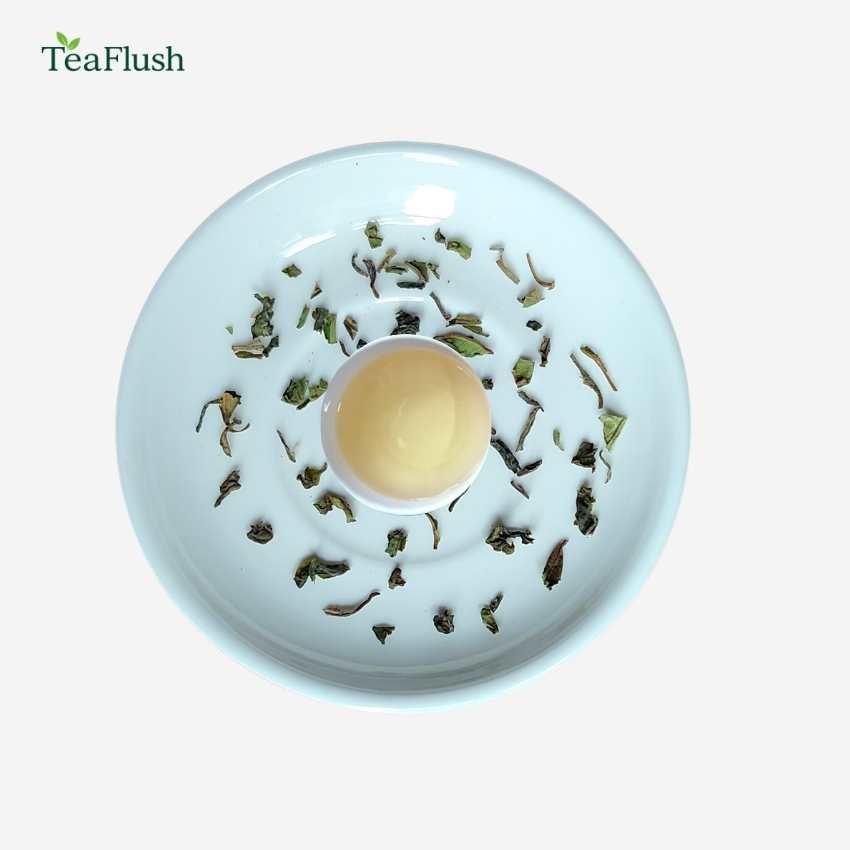 | Singbulli First Flush Tea SFTGFOP (2026) 100g | Singbulli First Flush Tea SFTGFOP-1 is an exceptionally premium, organic loose-leaf Darjeeling black tea. Sourced from the prestigious Singbulli Tea Estate near Mirik, India, this tea is celebrated by connoisseurs for its intricate, light, and highly aromatic spring harvest profiles. | Out of stock | ₹628,00 | |
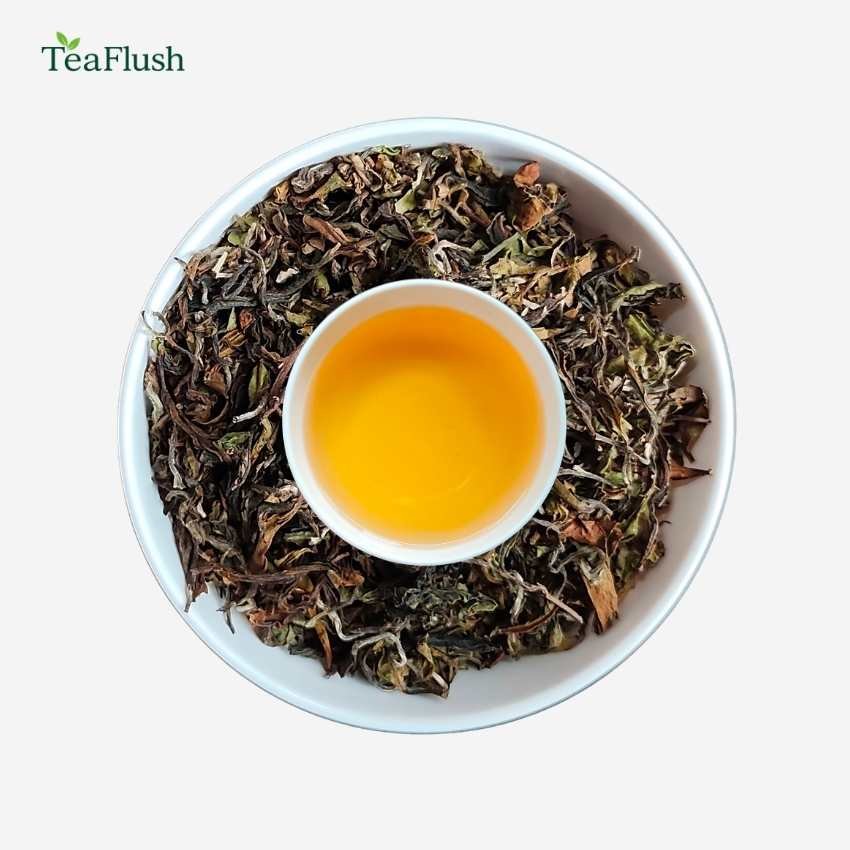 | Giddapahar – Clonal Wonder 1st Flush 2026 | 100 Grams | Giddapahar Clonal Wonder is harvested from elite AV2 clonal bushes during the very first emergence of spring — when the Himalayan air is still sharp, the soil freshly awakened, and every young leaf carries the energy of an entire winter’s rest. | 2 in stock | ₹959,00 | |
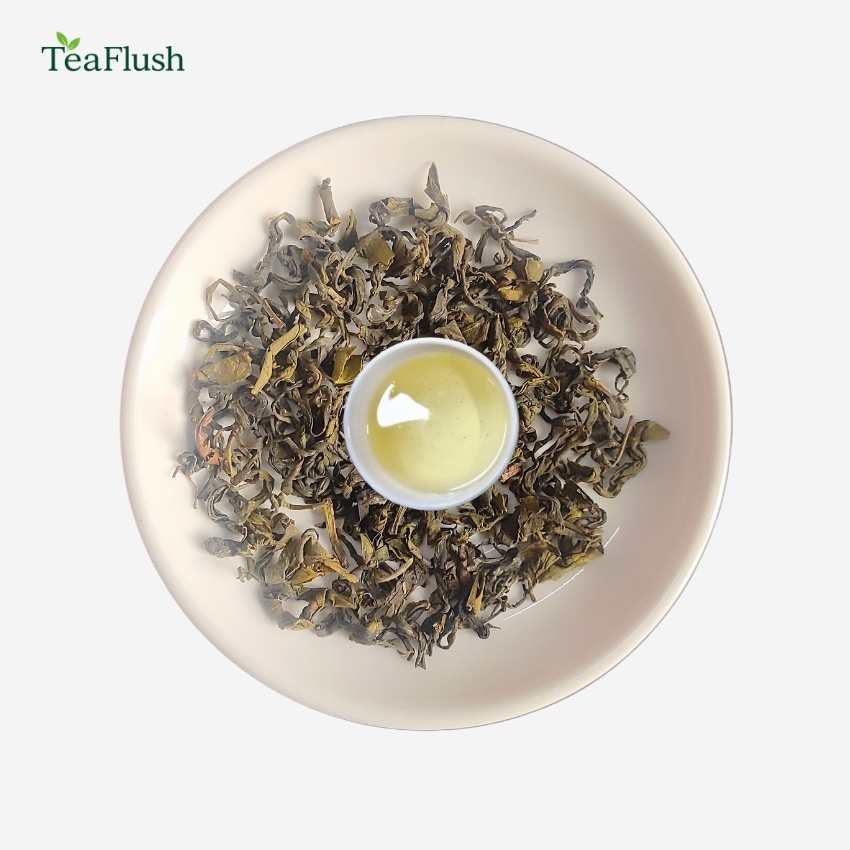 | Green Tea – Morning 100 grams |
Green Tea — Morning is a first flush Darjeeling green tea crafted for those who greet the day with intention. Plucked at the very onset of spring from high-altitude gardens draped in Himalayan mist, these young, tender leaves are gently steamed and dried — never oxidised — to preserve every shade of their natural vitality.
The liquor is a clear, pale jade — almost ethereal in the morning light. On the nose, it opens with the clean freshness of dewy grass and sweet spring herbs. In the cup, expect a gentle vegetal sweetness layered with notes of steamed greens, honeydew melon, and a delicate floral lift that lingers long after the last sip | 1 in stock | ₹389,00 | |
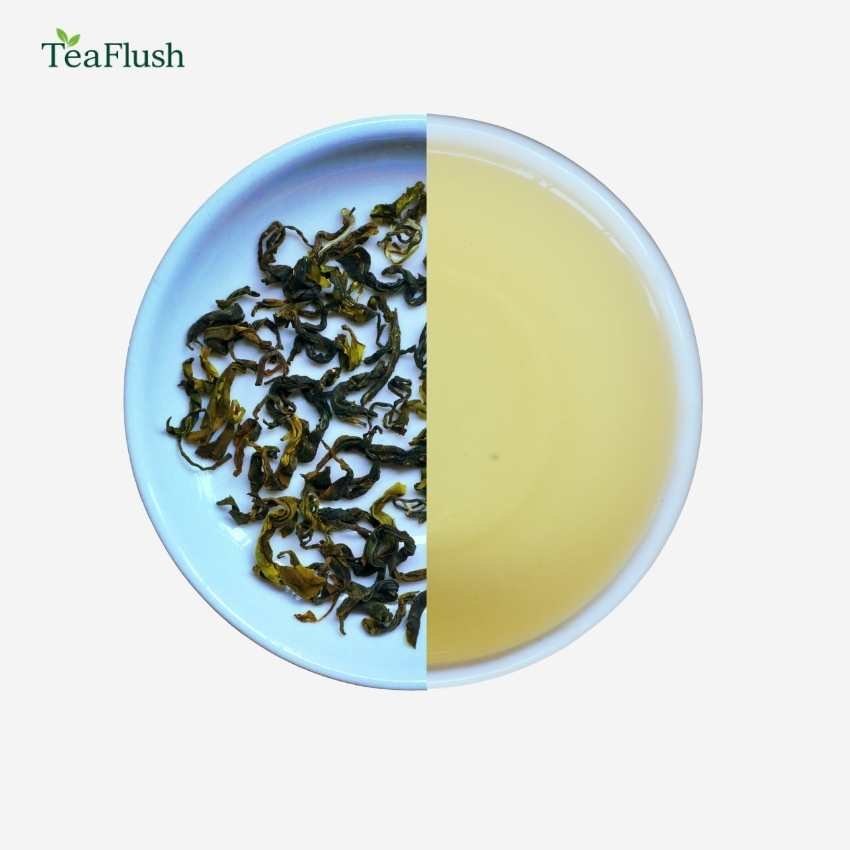 | Green Tea Regular | Loose Leaf Tea | 100g | Green Tea Regular is our most beloved everyday green — picked from the highest-altitude gardens in Darjeeling’s Sungma estate, where cool mists roll in each dawn and slow the leaves just enough to build a depth that flat-valley teas never achieve. This is a first-flush harvest, gathered in early spring before the monsoon arrives. First-flush greens are lighter and more delicate than later pickings: expect a clean, vegetal sweetness with a hint of fresh peas and a whisper of jasmine that opens as the cup cools. We process each batch within hours of picking using traditional pan-firing to lock in the bright color and suppress oxidation — keeping every sip as close to the living leaf as possible. | 1 in stock | ₹370,00 | |
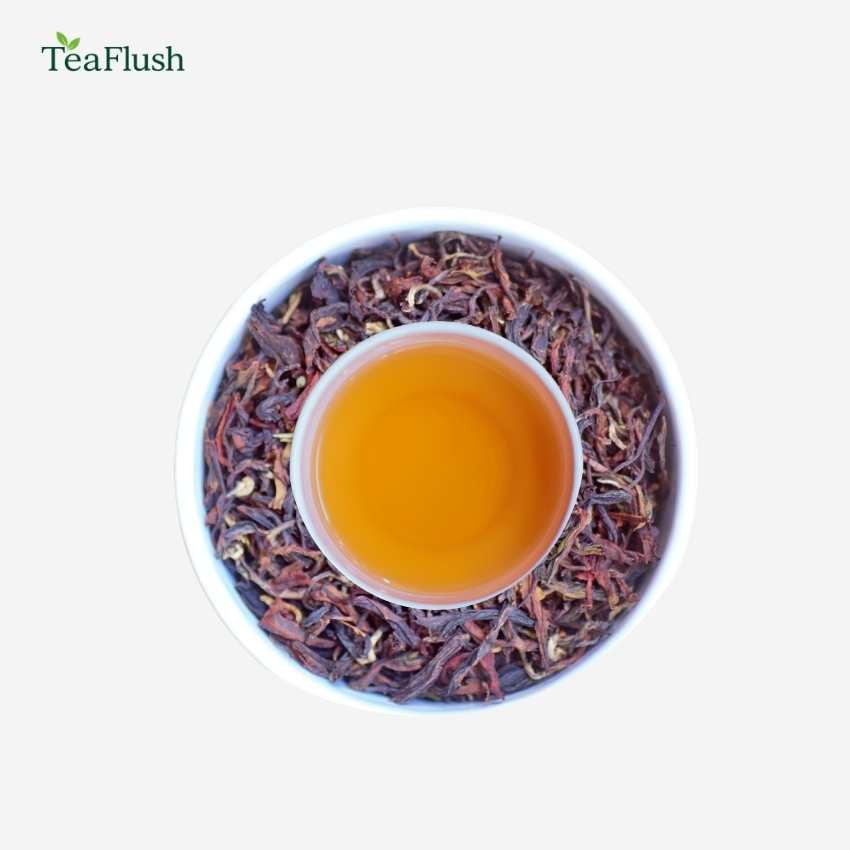 | Giddapahar – Clonal Delight 2nd Flush 2026 | 100 Grams | Giddapahar Clonal Delight 2nd Flush is a highly sought-after, premium summer-harvest black tea produced by the historic Giddapahar Tea Estate in Kurseong, Darjeeling. Crafted predominantly from select AV2 clonal cultivars, this second flush tea is celebrated by connoisseurs for its rich flavor profile and exquisite aromatics. | 4 in stock | ₹689,00 |
Chapter 2: The History of Tea Gardens in Darjeeling
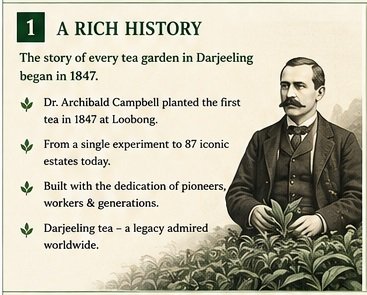
The Beginning: Dr. Archibald Campbell, 1841
The story of Darjeeling’s tea gardens begins not with commerce but with scientific curiosity. Dr. Archibald Campbell, a civil surgeon of the Indian Medical Service, was posted to Darjeeling as its Superintendent in 1839. In 1841, he began planting Chinese tea seeds — Camellia sinensis var. sinensis — in his personal garden in Darjeeling.
Tea plantations started with the experimental production of Dr A. Campbell near his residence at Beechwood.
The results exceeded expectations. The cool temperatures, well-drained acidic soil, and abundant moisture of the Himalayan foothills proved remarkably suited to the Chinese tea plant — creating conditions that, though different from the mountains of Yunnan or Fujian, produced teas of extraordinary character.
1847: The Government Commits
Encouraged by Campbell’s results, the British colonial government formally decided in 1847 to establish Darjeeling tea nurseries for experimental and commercial development.
The history of Darjeeling Tea Estates or tea gardens date back to 1847 when the then government decided to set up Darjeeling Tea nurseries for experimentation and growth.
Land was made available to potential planters on favorable terms, with the requirement that only 40% of forested land could be cleared for cultivation — a conservation condition that shaped Darjeeling’s landscape in ways still visible today.
1852: The First Three Gardens
Slowly by 1852 Darjeeling started its first 3 Tea Estates which appeared to be commercial tea plantations namely Tukvar, Steinthal and Aloobari appeared.
These three founding gardens — established from government nursery seeds — proved the commercial viability of Himalayan tea cultivation. They are the direct ancestors of every cup of Darjeeling tea ever sold, and all three remain operational today.
The Victorian Expansion
The success of the first three gardens triggered rapid expansion:
| Year | Number of Gardens | Annual Production |
|---|---|---|
| 1852 | 3 (founding gardens) | Experimental only |
| 1854 | 7 | Small scale |
| 1860 | 39 | 21,000 kg |
| 1870 | 56 | 71,000 kg |
| 1874 | 113 | Significant commercial |
| 1900s | 150+ | Peak colonial expansion |
| Today | 87 operational | 7–9 million kg annually |
The reduction from 150+ to 87 reflects economic pressures, labour challenges, and the closure of unviable gardens over the 20th century. The 87 that remain are the most resilient, most quality-focused, and most productively situated of the original colonial-era plantations.
The Geographical Condition for Tea Gardens
To grow this variety of tea, the gardens must be located at an altitude ranging from six hundred to two thousand meters and the area must have fifty to sixty inches of rainfall over the years. The hills in Darjeeling meet all these conditions. Moreover, cool and moist climate, sloppy terrain and typical hilly soil of the district are conducive to the growth of the best tea in the world.
Tea plantations are mainly located in the Darjeeling and Kurseong subdivision of the district. That is because from the very beginning most of the land available in Kalimpong was already under cultivation. Rest of the land now belongs to the Forest Department and is maintained as reserved forest.
Chapter 3: What Makes Darjeeling Tea Gardens Unique
The Irreplaceable Terroir
The unique muscatel flavour, especially in the second flush, the tea develops fruity, grape-like notes that tea connoisseurs crave. Limited production with relatively few estates keeps the tea rare and exclusive. Handcrafted process: Most leaves are still carefully hand-plucked and traditionally processed.
The combination of factors that creates this irreplaceable terroir is complex and cannot be engineered elsewhere:
Altitude (600–2,000+ m): Slow growth. Cool temperatures. High UV radiation. Dramatic day-night temperature swings. All of these force the tea plant to develop more concentrated flavor compounds than it would in warmer, lower-altitude environments.
The Himalayan Mist: The distinctive morning mist that rolls up from the valley floors and settles over the tea gardens for hours each day moderates transpiration, maintains leaf moisture, and contributes to the characteristic “mist character” — a clean, atmospheric quality — in Darjeeling teas.
The Soil: Acidic, well-drained, loamy Himalayan substrate — mineral-rich and ideally suited to the slow-growing Camellia sinensis var. sinensis China-variety plants that define Darjeeling’s finest teas.
The China Plant Advantage: The cool climate, high altitude, and well-drained slopes allowed the Chinese variety of Camellia sinensis to thrive. These small-leafed, slow-growing plants produce more concentrated, more complex, and more aromatic teas than the large-leafed Assam variety — at the cost of significantly lower yields.
The Muscatel Effect: The second flush’s famous muscatel character — that warm, grape-like, wine-like quality — is partly attributed to the feeding of the green leafhopper insect (Jacobiasca formosana) on the tea leaves, which triggers a defensive aromatic response in the plant. This insect-plant interaction, combined with Darjeeling’s specific summer weather conditions, produces a flavor compound that cannot be deliberately manufactured or replicated elsewhere.
The Scale and the Scarcity
Darjeeling’s total annual tea production — approximately 7 to 9 million kilograms — sounds like a lot until you consider:
- India as a whole produces approximately 1.4 billion kilograms of tea per year
- Darjeeling’s share is roughly 0.6% of Indian production
- The global demand for certified Darjeeling tea consistently exceeds supply
- Authentic single-estate Darjeeling teas represent an even smaller fraction of this already-small total
This scarcity — combined with extraordinary quality — is why Darjeeling tea commands premium prices that no other Indian tea achieves.
Chapter 4: The Seven Valleys — Darjeeling Tea Garden Regions
The tea estates in Darjeeling spread over a region of Seven Valleys which cover almost all of the Darjeeling hills.
Each valley has its own altitude range, slope orientation, microclimate, and tea character. Understanding the seven regions is the key to understanding why two teas labeled “Darjeeling” can taste so remarkably different from each other.
Region 1: Darjeeling West
Key estates: Puttabong (Tukvar), Happy Valley, Badamtam, Barnesbeg, Bannockburn, Ging, Steinthal, Singtom, Soom, Rangaroon, Rungneet, Pandam, North Tukvar, Phoobsering
Altitude range: 1,200–2,200 m
Character: Very high altitude, intensely floral, delicate, clean
The western estates are among the highest-altitude in Darjeeling, clustered around and above Darjeeling town itself. Their teas tend to be particularly delicate, aromatic, and clean — the high altitude slowing growth to produce concentrated, complex flavor in relatively small leaves.
Flagship: Puttabong (Tukvar) — the oldest garden in Darjeeling (1852), and the largest, spanning approximately 436 hectares across five growing divisions.
Region 2: Darjeeling East
Key estates: Arya, Risheehat, Lingia, Pussimbing, Mim (including Bloomfield), Chongtong, Dhooteriah, Kalej Valley, Liza Hill, Marybong, Rungmook/Cedars, Tumsong
Altitude range: 900–2,000 m
Character: Bright, fruity, luminous — the morning sun of east-facing slopes creates a distinctive brightness and citrus quality
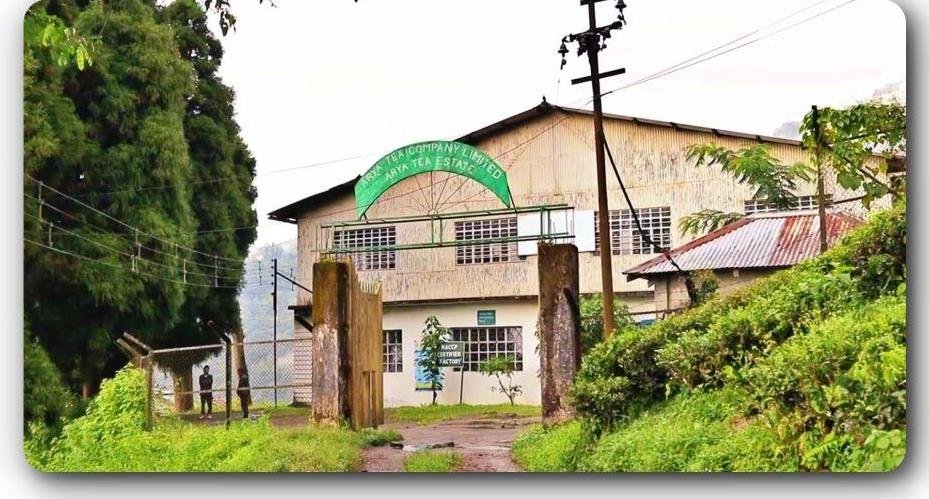
The eastern estates benefit from morning sun striking the slopes directly — producing teas with a characteristic luminosity and freshness. Arya Tea Estate — famous for its Buddhist monk origin story and the Jewel Collection — is the most celebrated garden of this region.
Region 3: Kurseong North
Key estates: Ambootia, Margaret’s Hope, Balasun, Dilaram, Eden Vale, Moondakotee, Oaks, Ringtong, Springside
Altitude range: 950–1,830 m
Character: Organic purity, bright aromatics, classic Kurseong character
Kurseong North is the heartland of Darjeeling’s organic tea movement. Ambootia — the world’s largest Demeter biodynamic certified tea producer under Sanjay Bansal’s leadership — is the defining estate of this region. Margaret’s Hope, owned by the Goodricke Group, is celebrated for its intense muscatel second flush teas.
Region 4: Kurseong South
Key estates: Castleton, Makaibari, Goomtee, Jungpana, Giddapahar, Rohini, Selim Hill, Nurbong, Sivitar, Tindharia, Longview, Seepoydhura, Mahalderam, Monteviot, Mullootar, Jogmaya, Mohan Majhua, Narbada Majhua
Altitude range: 980–2,300 m
Character: Premium complexity, world-class muscatel, the highest concentration of prestigious estates
Kurseong South is the most celebrated tea-growing zone in Darjeeling — home to Castleton (the muscatel benchmark), Makaibari (the global pioneer of organic and biodynamic farming), Jungpana (boutique intensity, collector status), and Giddapahar (one of only two non-colonial estates, with century-old Birmingham rolling machinery).
Tea produced by Castleton Tea Estate is especially admired for its amber-like liquor and muscatel aroma.
Region 5: Mirik Valley
Key estates: Gopaldhara, Thurbo, Okayti (Rangdoo), Chamong, Singbulli, Phuguri, Phoobsering, Seeyok, Sungma, Ghayabaree & Millikthong
Altitude range: 1,200–2,440 m
Character: Extraordinarily high-altitude, intense florality, some of the highest gardens in the world
The Mirik Valley is home to some of Darjeeling’s most extreme altitude gardens. Gopaldhara — with sections reaching 2,130 metres (7,000 feet) — and Thurbo — spanning an incredible 3,220 to 8,010 feet — are among the highest commercially productive tea estates on earth. Teas from this valley are prized for their concentrated, precise, intensely aromatic character.
Region 6: Teesta Valley / Upper Fagu
Key estates: Glenburn, Namring, Avongrove, Lopchu Peshok, Nagri, Nagri Farm, Selimbong, Teesta Valley, Tukdah, Turzum, Dhajea, Runglee Rungliot, Samebeong
Altitude range: 900–1,800 m
Character: Mineral clarity, smooth depth, the Teesta River’s atmospheric influence
The eastern frontier estates of Darjeeling, stretching toward the Teesta River corridor. Glenburn Tea Estate — offering world-class luxury tea tourism where two rivers meet below the garden — is the most celebrated destination estate of this region. Namring produces exceptionally smooth, honeyed first flush teas consistently praised for their gentle sweetness.
Region 7: Kalimpong
Key estates: Ambiok (Hillton), Mission Hill, Upper Fagu, Kumai (Snow View), Samabeong
Altitude range: 1,200–2,000 m
Character: Delicate, pure, rare — the smallest and least-known Darjeeling tea zone
Also the tea gardens of the hilly areas of Kalimpong Sub-Division comprising Samabeong Tea Estate, Ambiok Tea Estate, Mission Hill Tea Estate, Upper Fagu and Kumai Tea Estates and their teas are also collectively referred to as Darjeeling Teas.
The Kalimpong zone is the smallest producing area and the least well-known to international consumers, but the handful of certified estates here produce teas of genuine quality — high-altitude, clean, and rarely encountered outside specialist channels.
Chapter 5: The Seasonal Harvest Calendar — The Four Flushes
The tea gardens of Darjeeling do not produce continuously throughout the year. They follow a seasonal harvest calendar of four distinct flushes — each producing tea of dramatically different character.
🌱 First Flush — The Spring Awakening (Mid-March to Late April)
The most celebrated, most anticipated, and most expensive flush of the year. After the long winter dormancy — during which the tea plants accumulate L-theanine, catechins, aromatic precursor compounds, and sugars in their roots — the first new buds of spring emerge.
March-April is the peak season for first flush Darjeeling Tea. Expect vibrant green gardens and active plucking.
Character: The spring flush produces teas with:
- Low to medium oxidation (often 20–60%) — much lighter than conventional black tea
- Pale gold to light amber liquor
- Intensely floral aromas — orchid, jasmine, white flower, spring blossom
- High L-theanine content — the “calm focus” amino acid
- High EGCG antioxidant concentration
- Delicate, brisk, refreshing flavor with a clean, long finish
Why it commands premium prices: The harvest window is only 4–6 weeks. The plucking standard is strict: two leaves and a bud, hand-plucked, requiring approximately 20,000 shoots per kilogram. The quantity produced is inherently limited. And the demand — particularly from Germany, Japan, and the UK — consistently exceeds supply.
Best with: No milk, no sugar. Brewed at 85–88°C for 2–2.5 minutes.
☀️ Second Flush — The Summer Masterpiece (May to Mid-June)
May-June is famous for the Darjeeling second flush. It is the peak season with good weather and busy estates.
The second flush is what has made Darjeeling world-famous. As temperatures warm and the tea plants enter their most vigorous growing phase, the combination of longer days, higher heat, and the activity of the green leafhopper insect triggers the development of the muscatel character — Darjeeling’s defining aromatic signature.
Character:
- Medium to high oxidation (60–80%)
- Deep amber to copper-gold liquor
- Warm, heady muscatel aroma — dried grape, raisin, apricot, wine
- Full-bodied, round, complex flavor
- Long, warm, lingering finish
Best with: Plain, or with a very small amount of milk. 90–95°C, 3–4 minutes.
🌧️ Monsoon Flush — The Rain Harvest (July to September)
As the monsoon season descends on the Himalayas, the tea plants enter a period of rapid growth driven by abundant rainfall. The monsoon flush produces a higher volume of leaf but lower concentration of flavor compounds — strong, full-bodied, but less nuanced than the spring or summer harvests.
Character:
- Full oxidation (90–100%)
- Bold, dark, strong — excellent with milk
- Earthy, malty, less complex
- Most affordable Darjeeling flush
Best with: Strong and bold — excellent as a chai base, with milk and spices.
🍂 Autumnal Flush — The Quiet Finale (October to November)
October-November brings clear skies for stunning Kanchenjunga views, cooler temperatures, and the rich autumnal teas.
After the monsoon recedes, the tea plants produce a final harvest of the year. The post-monsoon clarity and cool temperatures produce teas of quiet, warm depth — nutty, smooth, and comforting.
Character:
- Full oxidation
- Rich amber liquor
- Warm, woody, nutty — hints of dried fruit and spice
- Smooth body, less astringent than monsoon
- The “autumn afternoon” tea
Best with: Milk optional. 90–95°C, 3–4 minutes.
Chapter 6: The 10 Most Celebrated Tea Gardens in Darjeeling
🌿 1. Makaibari Tea Estate — The World’s Most Famous Garden
Founded: 1852 (factory 1859) | Location: Kurseong South | Altitude: 600–1,500 m
The Makaibari Tea Estate is the birthplace of the tea industry in Darjeeling. Under the ownership of Raja Banerjee, Makaibari became a global pioneer in biodynamic and organic farming. It is the pioneer of organic and biodynamic tea farming. Established in 1859 in Kurseong, it is arguably the most famous garden in the world. It was the first to go organic and biodynamic. Their “Silver Tips Imperial” tea, harvested only on full-moon nights, has set a world record for the most expensive tea ever sold. Taste & flavours: Known for a “magical” taste that features a blend of light, floral, and slightly nutty profiles with a smooth finish.
Makaibari was India’s first certified organic tea estate, the first Fairtrade-certified garden in Darjeeling, and the holder of multiple world auction records. Of its 750 total hectares, approximately 65% is natural forest — the tea grows within a living ecosystem, not a monoculture. This ecological balance is directly credited with the extraordinary complexity and purity of its teas.
Famous for: Silver Tips Imperial (harvested on full-moon nights), first flush FTGFOP1, community-based tourism, biodynamic farming, world auction records
🌿 2. Happy Valley Tea Estate — The Heritage Tourist’s First Choice
Founded: 1854 | Location: Darjeeling West, 2.5 km from town | Altitude: ~2,100 m
At a magical altitude of 6,800 feet, the Happy Valley Tea Estate in Darjeeling is a fine land expanse of about 437 acres, growing some of the finest shrubs of this delightful drink in the world. It is the second oldest tea estate in the tea-rich town of Darjeeling.
Spread over an area of 177 hectares, Happy Valley Tea Garden was established by Mr. David Wilson in the year 1854, which was then known as Wilson Tea Estate. In 1903, the estate was taken over by an Indian, Tarapada Banerjee, an aristocrat from Hooghly. The plantations here are as old as 150 years.
Being just a short walk from Darjeeling town, it offers excellent guided tours showing the transition from leaf to cup. Many of the bushes at Happy Valley are over 150 years old, survivors of the colonial era that still produce some of the finest orthodox Darjeeling tea. The factory itself serves as a living museum, housing vintage machinery that has been meticulously maintained for over a century.
Famous for: Second-oldest estate in Darjeeling, 150-year-old bushes, highest tea factory in the world, accessibility from town, excellent guided tours, heritage machinery
Visiting: Open Monday to Sunday, 9:00 AM to 6:00 PM. Guided tours from 9:30 AM to 4:30 PM.
🌿 3. Castleton Tea Estate — The Muscatel Benchmark
Founded: 1885 | Location: Kurseong South | Altitude: 980–2,300 m
Tea produced by Castleton Tea Estate is especially admired for its amber-like liquor and muscatel aroma.
Castleton is the gold standard for second flush muscatel Darjeeling — the name that appears at the top of every connoisseur’s list when seeking the finest expression of summer Darjeeling. Owned by the Goodricke Group, its single-estate second flush lots regularly set records at the Kolkata tea auction. The estate spans from under 1,000 metres to over 2,300 metres — one of the widest altitude ranges of any Darjeeling garden.
Famous for: The finest muscatel second flush in Darjeeling, auction records, Goodricke Group management
🌿 4. Puttabong (Tukvar) Tea Estate — The Oldest and the Largest
Founded: 1852 | Location: Darjeeling West | Altitude: 600–2,200 m
Puttabong Tea Estate (Tukvar): The first tea estate ever planted in Darjeeling (1852), known for its history and expansive views of the Himalayan range.
The Tukvar Tea Estate is the oldest. It was established in 1850 and commercial production started in 1856.
Puttabong holds two distinctions: it is both the oldest and the largest tea garden in Darjeeling, spanning approximately 436 hectares across five growing divisions. It was the first estate to receive ISO 9002:2008 certification in Darjeeling.
Famous for: Founding historical significance, largest area, first flush Clonal Queen, Puttabong Supreme, ISO certification
🌿 5. Glenburn Tea Estate — The World-Class Tea Tourism Destination
Founded: 1859 | Location: Teesta Valley zone | Altitude: 900–1,800 m
Glenburn Tea Estate — where the Rungeet and Rangdu rivers meet below the garden — is one of Darjeeling’s most atmospheric and internationally celebrated destinations, combining exceptional tea production with world-class luxury heritage tourism.
The Glenburn Tea Estate is on the way to Gangtok; Rangeet and Rungdung rivers flow nearby.
Two heritage bungalows — the Burra Bungalow and the Dak Bungalow — have been converted into intimate, immersive luxury retreats. Glenburn has been recognized among the finest tea tourism destinations in the world.
Famous for: World-class tea tourism, heritage bungalows, Kanchenjunga views, two rivers, 1859 heritage, first flush excellence
🌿 6. Jungpana Tea Estate — The Collector’s Boutique
Founded: 1899 | Location: Kurseong South | Altitude: 1,000–1,500 m
Despite its relatively small size — approximately 78 acres — Jungpana produces teas of extraordinary intensity and complexity that have earned it a devoted global following among serious tea collectors. Its second flush muscatel lots are whispered about reverently in tea circles and sell out rapidly each season.
Famous for: Boutique collector status, world-class muscatel, Henry Montgomery Lennox heritage (also founded Goomtee)
🌿 7. Arya Tea Estate — The Buddhist Monk Origin Story
Founded: 1885 (Buddhist monks in early 19th century) | Location: Darjeeling East | Altitude: 900–1,820 m
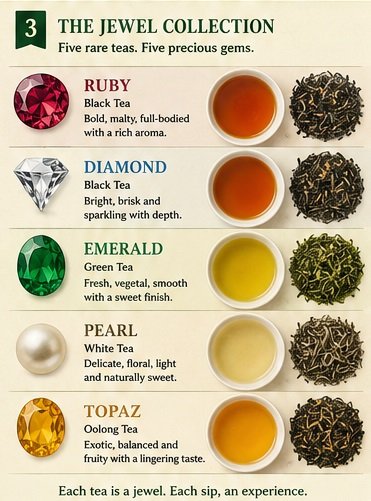
One of only two non-colonial tea estates in Darjeeling — founded by Buddhist monks who spent years studying the soil before planting, and named after the founding head monk. The Jewel Collection (Ruby, Diamond, Emerald, Pearl, Topaz) is the most creative and diverse range of specialty teas produced by any Darjeeling estate. The original monk’s dwelling still stands on the estate.
Famous for: Buddhist monk founding story, Jewel Collection specialty teas, USDA/IMO/JAS organic certification, Arya Pearl handmade white tea, Arya Tea Resort, non-colonial distinction
🌿 8. Gopaldhara Tea Estate — The Highest Garden
Founded: 1881 | Location: Mirik Valley | Altitude: 1,700–2,130 m
Few gardens can boast the elevation of Arya Tea Estate, which is a key element of raising such aromatic cultivars. This statement applies equally to Gopaldhara — one of the highest tea estates in Darjeeling, with sections at 2,130 metres (7,000 feet). The Saria family has developed it into one of the most innovative estates, producing the famous “Maharani of Darjeeling” first flush and a wide range of specialty teas.
Famous for: Extraordinary altitude, “Maharani of Darjeeling” first flush, Silver Needles white tea, Saria family innovation
🌿 9. Ambootia Tea Estate — The Biodynamic Pioneer
Founded: 1861 | Location: Kurseong North | Altitude: 950–1,830 m
Ambootia is the world’s largest Demeter-certified biodynamic tea producer — transformed from a “sick unit” in the 1980s to a globally celebrated organic estate by Sanjay Bansal, who was born on the estate in 1961. His story was studied at Harvard Business School. The estate employs approximately 6,000 workers across the Ambootia Group.
Famous for: World’s largest biodynamic tea producer, Sanjay Bansal’s organic revolution, UN FAO Model Farm designation, Fairtrade certification since 1994, Harvard Business School case study
🌿 10. Giddapahar Tea Estate — Eagles Cliff
Founded: 1881 | Location: Kurseong South (near Castleton) | Altitude: 4,500–5,200 ft
One of only two non-colonial estates in Darjeeling — founded by the Shah family, now in its fourth generation of ownership. The century-old Birmingham rolling machine still turns in its factory. The Delight micro-lot first flush is among the boldest, most concentrated first flush teas in Darjeeling. The original Arya Monk’s dwelling nearby and the adjacent Netaji Subhas Chandra Bose Museum — where Netaji was held under house arrest for seven months in 1936 — give the locality extraordinary cultural depth.
Famous for: Non-colonial founding, Shah family fourth generation, 100-year-old Birmingham rolling machine, Delight micro-lot, China bush heritage, Netaji Bose Museum connection
Chapter 7: How Tea Is Made in a Darjeeling Tea Garden
Understanding the process transforms the experience of visiting — and of drinking. Here is the complete sequence from leaf to cup as practiced in Darjeeling’s orthodox tea gardens:
Step 1: Plucking
Most leaves are still carefully hand-plucked and traditionally processed.
Plucking is done entirely by hand, primarily by women, who walk the steep hillside rows and select the precise “two leaves and a bud” from each new shoot. This fine-plucking standard requires approximately 20,000 individual shoots to produce one kilogram of finished tea — and a skilled plucker can collect 15–25 kg of fresh leaf per day.
The time of day matters: leaves plucked early in the morning, when they retain overnight moisture and coolness, produce finer-character tea than leaves plucked in the heat of the afternoon.
Step 2: Withering (12–18 Hours)
Fresh leaves are spread on long racks — withering troughs — with fans moving air below and above. Over 12–18 hours, the leaves lose 60–65% of their moisture, becoming pliable and concentrating their flavor compounds. First flush teas typically undergo a “hard wither” — a longer, more thorough drying that develops the aromatic precursors of the spring character.
Step 3: Rolling
The withered leaves pass through rolling machines — large, cast-iron mechanical rollers that apply pressure and friction to the leaf mass, breaking the cell walls and releasing the polyphenol oxidase enzymes that drive oxidation. The rolling also twists and shapes the leaves into the elegant, twisted forms of orthodox Darjeeling tea.
Giddapahar Tea Estate’s ~100-year-old rolling machine, made in Birmingham, England, and still in daily operation, is the most celebrated example of this machinery in Darjeeling.
Step 4: Oxidation (1–4 Hours)
The rolled leaves are spread on open beds in cool, humid conditions, where the released enzymes react with oxygen to create the chemical transformation that defines each tea type:
- Green tea: Oxidation stopped almost immediately (heat treatment applied right after rolling)
- First flush: Oxidation halted at 20–60% — the floral, lightly amber character
- Second flush: Oxidation halted at 60–80% — the full muscatel character
- Monsoon/Autumnal: Full oxidation (90–100%) — the bold, dark character
The tea maker’s art is in reading the developing color, aroma, and texture of the leaf and halting oxidation at exactly the right moment.
Step 5: Firing
High heat — approximately 120–130°C in the drying machine — deactivates the oxidative enzymes permanently, locks in the tea’s final character, and reduces moisture to safe storage levels. For first flush, lighter firing preserves more volatile aromatics. For full-flush teas, higher firing develops malty depth.
Step 6: Sorting and Grading
After drying, the tea passes through vibrating mesh sieves that separate leaves by size:
- FTGFOP1 / SFTGFOP1 — whole leaf with abundant tips (best quality)
- BOP — broken leaf (faster brewing, stronger flavor)
- BOPF / Dust — finest particles (used in tea bags, blends)
Chapter 8: Visiting a Tea Garden in Darjeeling — The Complete Guide
Why Visit a Darjeeling Tea Garden
Walking through tea gardens, meeting growers, and witnessing the art of plucking and processing helps you appreciate what makes the best Darjeeling tea so special. Even if you usually prefer to buy Darjeeling tea online, visiting the estates adds depth and meaning to every cup of Darjeeling tea you enjoy back home.
A sunrise walk across a Darjeeling hillside, with clouds drifting between the rows of tea bushes, makes it clear why this simple leaf became iconic.
Best Tea Gardens to Visit by Experience Type
For Heritage and History:
- Happy Valley Tea Estate — most accessible from town, 150-year-old bushes, excellent guided tours, living museum factory
- Puttabong (Tukvar) — oldest garden in Darjeeling, five divisions, expansive Himalayan views
- Makaibari — the most famous garden in India, biodynamic pioneer, community tourism
For Luxury Tea Tourism:
- Glenburn Tea Estate — world-class boutique hotel, heritage bungalows, where two rivers meet, Kanchenjunga views
- Arya Tea Resort — two-storey resort with glass-walled Kanchenjunga lounge, within a working organic garden
- Singtom Tea Garden — the oldest tea resort in India, established 1854
For Organic and Sustainable Farming:
- Ambootia — biodynamic pioneer, UN FAO Model Farm, accessible from Kurseong
- Makaibari — original organic estate, community tourism, forest ecosystem
- Arya Tea Estate — USDA/IMO/JAS triple-certified organic, Buddhist monk legacy
For Tea Knowledge and Factory Visits:
- Happy Valley — best structured factory tour from Darjeeling town

- Giddapahar — century-old Birmingham rolling machine, small family factory next to the house
- Gopaldhara — highest-altitude gardens, innovative specialty teas
Tea Garden Visiting: Practical Information
General Timings: Monday to Sunday, 9:00 AM to 6:00 PM. Individual estates have specific tour hours — always confirm in advance.
Happy Valley Tea Estate Specifics: Every day a guided tour is organised at the Happy Valley Tea Estate in Darjeeling starting from 9:30 AM to 4:30 PM. The tour offers a fascinating glimpse of the interesting manufacturing process of tea which takes you to the inside of the tea garden and shows you all the stages.
Entry Fees: Entry fees vary by estate and tour type. Happy Valley’s basic garden walk is low-cost; factory tours typically charge a modest per-person fee. Luxury estates like Glenburn and the Arya Tea Resort charge for accommodation and experience packages. Contact individual estates for current pricing.
What to Wear:
- Comfortable walking shoes with grip — tea garden slopes are steep and can be slippery when wet
- Layers — even in summer, Darjeeling’s high altitude means mornings and evenings are cool
- Light rain jacket — mist and light showers can arrive at any time of year
- Sun protection — UV radiation is high at altitude
What to Expect:
- Garden Walk: Guided or self-guided walks through the tea rows, with explanations of China versus clonal cultivar differences, plucking standards, and seasonal variation
- Factory Tour: Usually the most educational part — witnessing withering, rolling, oxidation, firing, and grading in sequence
- Tasting Session: Many estates offer guided tastings comparing teas across flushes, grades, and types
- Cultural Interaction: Opportunity to meet and speak with the workers whose hands have made every cup
Photography Tips for Tea Gardens
- Best light: Golden hour — early morning (7–9 AM) when the mist is lifting and the sun hits the slopes at an angle, or late afternoon (4–6 PM). Both create the iconic, atmospheric Darjeeling tea garden imagery.
- Misty mornings: The dense morning mist of the Darjeeling hills, rolling through the tea rows, is some of the most photographable weather in India. Embrace it.
- Permission: Always ask before photographing individual workers. Most are gracious, but the courtesy matters.
- Green season: March to June is the most visually vibrant — the new spring growth makes the gardens an intense, luminous green.
Chapter 9: Best Time to Visit Darjeeling Tea Gardens
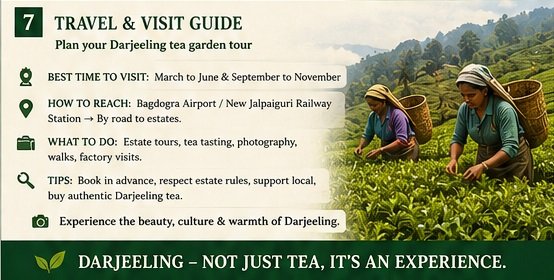
The most appropriate time to travel to Darjeeling is between the months of March to June, and September to December. It enjoys a pleasant, cool climate, which is suitable for tourism. To see the tea gardens and the green landscape at their best, it is best to visit between the summer months.
Month-by-Month Tea Garden Visitor Guide
| Month | Weather | Tea Garden Experience | Recommendation |
|---|---|---|---|
| January | Cold, clear, occasional frost | Dormant season — no plucking | Quiet, Kanchenjunga views excellent |
| February | Still cold, warming slowly | Early signs of new growth at lower estates | Off-season; fewer tourists |
| March | Warming, clear mornings | First flush begins — most exciting season for tea lovers | ⭐⭐⭐⭐⭐ Best for tea |
| April | Pleasant 10–18°C days | First flush peak — vibrant green growth, active plucking | ⭐⭐⭐⭐⭐ Best overall |
| May | Warm, occasionally humid | Second flush begins | ⭐⭐⭐⭐ Excellent |
| June | Pre-monsoon humidity | Second flush peak — muscatel at its finest; rain starts | ⭐⭐⭐½ Good; prepare for rain |
| July | Monsoon — heavy rain | Monsoon flush; roads can be difficult | ⭐⭐ Limited; lush but wet |
| August | Heavy monsoon | Active monsoon flush; travel disruption possible | ⭐⭐ Not ideal for touring |
| September | Monsoon receding | Gardens recovering; late monsoon flush | ⭐⭐⭐ Improving |
| October | Clear, cool, magnificent | Autumnal flush — best Kanchenjunga views | ⭐⭐⭐⭐⭐ Best for views |
| November | Cool to cold, very clear | Autumnal teas; clarity of mountain air | ⭐⭐⭐⭐⭐ Best for views |
| December | Cold, clear | Pre-winter; gardens quieting down | ⭐⭐⭐ Peaceful |
Tea garden visits are especially pleasant from March to May and after the monsoon season. These months offer fresh surroundings and a peaceful travel mood, making estate visits more memorable.
The definitive answer: March to May (first and second flush, vibrant green, optimal weather) and October to November (crystal-clear Himalayan skies, autumnal teas, stunning Kanchenjunga views) are the two peak windows for tea garden visits.
Chapter 10: How to Reach Darjeeling Tea Gardens
By Air
Bagdogra Airport, which is the closest airport to Darjeeling, is at an approximate distance of 95 kilometers away. From Bagdogra, one can book a taxi or use a shared jeep to reach Darjeeling, which takes around 3 to 4 hours of time.
Bagdogra (IXB) operates regular flights from Delhi, Kolkata, Mumbai, and other major Indian cities. International travelers transit through Kolkata (CCU) or Delhi (DEL).
By Train
New Jalpaiguri (NJP) is the nearest major railway junction, approximately 80–90 km from Darjeeling town. NJP connects to Kolkata (6–7 hours), Delhi (18–20 hours), and most major Indian cities. From NJP, shared jeeps and private taxis operate to Darjeeling (~3–3.5 hours by road).
The Darjeeling Himalayan Railway (Toy Train): The UNESCO World Heritage-listed narrow-gauge railway running from NJP to Darjeeling (7–8 hours, scenic) or the shorter Darjeeling-Ghum-Darjeeling loop is one of India’s most memorable travel experiences — winding through tea gardens, forests, and Himalayan villages. Essential to experience at least once.
By Road
From Siliguri / NJP: 80–90 km, approximately 3–3.5 hours. Regular shared jeeps and taxis.
From Kolkata: Approximately 600 km, 12+ hours by road — train or flight recommended.
From Gangtok (Sikkim): Approximately 3–4 hours by road — convenient for combining Darjeeling and Sikkim visits.
Getting Between Tea Gardens
Within Darjeeling, tea estates are accessible by:
- Shared jeep: The ubiquitous local transport; cheap and frequent between towns
- Private taxi: Essential for reaching specific estates or moving between multiple gardens in a day; negotiate rates in advance
- Walking: Happy Valley and Arya Tea Estate are within walking distance of central Darjeeling town; other estates require transport
- Estate vehicles: Most accommodation-equipped estates (Glenburn, Arya Resort, Makaibari) arrange transfers for guests
Chapter 11: Tea Tasting in Darjeeling Gardens — What to Know
Visiting a tea garden offers the opportunity to taste teas that are never exported — small, local, estate-specific productions that exist only in Darjeeling and only in season.
Tasting Vocabulary for Darjeeling Tea
| Term | Meaning |
|---|---|
| Muscatel | Warm, grape-like, wine-like aroma/flavour — the defining second flush character |
| Briskness | The refreshing astringency that makes you want another sip immediately |
| Body | The weight and fullness of the tea in the mouth |
| Bright | Vibrant, luminous quality in the liquor — a positive marker |
| Floral | Flower-like aromas — orchid, jasmine, rose — typical of first flush |
| Vegetal | Fresh grass, green herb, green leaf notes — common in first flush and green tea |
| Thin | Lacking body — a negative in a black tea, but appropriate in white tea |
| Finish | The lingering flavour after swallowing — the longer, the better |
Tasting Protocol
- Observe the dry leaf — colour, size, tip content, aroma
- Brew at correct temperature — first flush at 85°C, black tea at 95°C, green at 75°C
- Steep for the right time — 2 min (first flush), 3–4 min (black), 1.5–2 min (green)
- Observe the liquor colour — pale gold (first flush), amber (second flush), dark (monsoon)
- Inhale the aroma — before sipping; this is where the muscatel and florals are most pronounced
- Sip without milk initially — evaluate the tea’s natural character first
- Identify the elements — body, astringency, primary flavours, finish
- Compare across flushes — if the estate offers a tasting flight, this comparison is invaluable
Chapter 12: Buying Authentic Tea Directly from Darjeeling Gardens
Buying tea directly from an estate — either in person during a visit or through the estate’s official channels — is the gold standard of authentic Darjeeling tea purchasing.
Why Buy Direct
- Complete traceability — you know exactly which field, which flush, which season
- Maximum freshness — no distribution lag
- Best price-to-quality ratio — no middlemen, no retail markup
- Authenticity guaranteed — no adulteration or substitution possible
How to Identify Authentic Darjeeling Tea
The Darjeeling GI Certification Mark: The most important marker. The distinctive Tea Board of India logo must appear on the packaging of any authentic Darjeeling tea.
The DJ Lot Number: A traceability code assigned by the Tea Board of India (e.g., DJ-1, DJ-12, EX-35) that identifies the specific batch, estate, flush, and season. This is the gold standard of single-estate provenance.
Estate Name: Should clearly state the specific estate (e.g., “Makaibari Tea Estate” — not just “Darjeeling Tea”).
Harvest Year and Flush: Should state the specific season (e.g., “First Flush 2025”).
Warning Signs to Watch For
| Warning Sign | What It Suggests |
|---|---|
| Very dark dry leaves in “first flush” | Not genuine first flush — likely second flush or monsoon |
| No estate name — only “Darjeeling Tea” | Blended, untraceable provenance |
| No GI certification mark | Possible non-Darjeeling tea misrepresented |
| Price significantly below ₹800/100g for FTGFOP1 | Likely not genuine single-estate first flush |
| “Darjeeling tea” with strong artificial flavouring | Adulteration — genuine Darjeeling needs no added flavours |
Recommended Retailers for Authentic Darjeeling Tea
In India:
- Golden Tips Tea (goldentipstea.com) — estate-direct sourcing, DJ lot identified
- Thunderbolt Tea (thunderbolttea.com) — specialist with direct garden relationships
- Teabox (teabox.com) — freshness tracking, estate-direct, DJ lot transparency
Internationally:
- Tea Trekker (teatrekker.com) — USA; expert curation, named micro-lots, deep garden relationships
- In Pursuit of Tea (inpursuitoftea.com) — USA; direct-trade, estate-identified
- Sans & Sans (sansisans.com) — Spain; premium Darjeeling estate teas with provenance
Frequently Asked Questions About Tea Gardens in Darjeeling
Q: How many tea gardens are in Darjeeling?
There are 87 tea gardens in Darjeeling, and quite a few more in nearby places like Kurseong and Mirik. The official count of GI-certified operational estates is 87, spread across seven valleys and three administrative sub-divisions of Darjeeling district.
Q: Which is the oldest tea garden in Darjeeling?
The Tukvar Tea Estate is the oldest. It was established in 1850 and commercial production started in 1856. Today operating as Puttabong Tea Estate, it is also Darjeeling’s largest garden.
Q: Which is the oldest tea garden in Darjeeling? The Tukvar Tea Estate is the oldest. It was established in 1850 and commercial production started in 1856. Today operating as Puttabong Tea Estate, it is also Darjeeling’s largest garden.
Q: Which Darjeeling tea garden is best to visit for tourists? The most convenient plantation for first-time visitors is Happy Valley Tea Estate. It is within walking distance of Darjeeling town, offers structured daily guided tours, and provides a complete leaf-to-cup experience. For luxury tea tourism, Glenburn Tea Estate is internationally renowned. For organic and biodynamic immersion, Makaibari and Ambootia are exceptional.
Q: What is the best time to visit a tea garden in Darjeeling? March to May (first and second flush season) is the peak time — vibrant green gardens, active plucking, optimal weather. October to November (post-monsoon, autumnal flush) offers the clearest skies and best Kanchenjunga views. During the period of the monsoon (June to August), heavy rains can be expected, which can hamper the outdoor activities.
Q: How far are Darjeeling tea gardens from the town? Happy Valley is within 2.5 km walking distance of Darjeeling town. Arya Tea Estate is also on the outskirts. Most other estates require 30 minutes to 1.5 hours by road. Makaibari Tea Estate, Castleton Tea Estate, Goomtee Tea Estate, and Giddapahar are located in the vicinity of Kurseong near Darjeeling and can be reached within one hour by car.
Q: Can I stay overnight at a Darjeeling tea garden? Yes. Several estates offer accommodation: Glenburn Tea Estate (world-class heritage boutique hotel), Arya Tea Resort (2-storey resort with Kanchenjunga views), Makaibari (community homestay and upscale bungalow options), and Singtom Tea Garden (the oldest tea resort in India).
Q: What tea is Darjeeling most famous for? Darjeeling is most famous for its second flush muscatel black tea — the summer harvest with the distinctive warm, grape-like, wine-like muscatel character. The first flush spring tea is the most eagerly anticipated by connoisseurs globally. The estate-specific names Castleton Muscatel, Jungpana Second Flush, and Makaibari Silver Tips are the most recognised.
Q: Is Darjeeling tea really the “Champagne of teas“? Yes — and the comparison is apt on multiple levels. Like Champagne, Darjeeling tea is geographically protected (GI tag); like Champagne, its character is irreplicably tied to its specific place of origin; and like Champagne, it commands premium prices based on genuine quality scarcity and heritage. The muscatel second flush, in particular, has a complexity and finesse that justifies the comparison.
Q: What does “FTGFOP1” mean on a Darjeeling tea packet? FTGFOP1 stands for Finest Tippy Golden Flowery Orange Pekoe, Grade 1 — the second-highest leaf grade designation in Darjeeling, indicating a premium whole-leaf tea with abundant golden tips and exceptional quality. SFTGFOP1 (Super Finest) is the highest designation.
Q: How many cups of tea does Darjeeling produce each year? Darjeeling produces approximately 7–9 million kilograms of certified tea annually. At 2.5 grams per 200 ml cup, this equates to roughly 2.8–3.6 billion cups per year — a significant number that still represents only 0.6% of India’s total annual tea production.
The TeaFlush Perspective: Why Every Tea Lover Owes Darjeeling a Visit
There are places in the world where what is made and where it is made are so inseparably connected that you cannot fully understand the product without understanding the place.
Darjeeling is that place for tea.
You can read about the muscatel character. You can study the altitude and the terroir and the four-flush calendar. You can learn the difference between China bush and AV2 clonal, between FTGFOP1 and BOP, between a hard wither and a soft one.
But nothing prepares you for standing on a slope in Darjeeling in March, in the first morning light, watching a woman’s hands move through the rows of new spring growth — selecting, plucking, collecting — with a sureness that comes from decades of doing exactly this on exactly this hillside.
Nothing prepares you for the smell of a tea factory in second flush season — the warm, heady, grape-like muscatel aroma that fills the air around the withering troughs like something between a winery and a garden.
Nothing prepares you for holding a glass of freshly brewed first flush Diamond from Arya, or a second flush Castleton, or a Silver Tips from Makaibari — brewed with the water from the estate’s own spring, served by someone who plucked those leaves that morning — and understanding, for the first time, that this is what a cup of tea can be.
If you visit Darjeeling, you can feel it is not just a destination — it is a feeling.
Go during first flush. Walk a tea garden at dawn. Watch the mist lift over Kanchenjunga. Drink the tea where it is made.
You will never drink a cup of Darjeeling the same way again.
Explore more Darjeeling tea estate profiles, brewing guides, and tea travel content at TeaFlush.com
Tags: tea garden in Darjeeling, Darjeeling tea estate, best Darjeeling tea garden, visit Darjeeling tea garden, Darjeeling tea tourism, Happy Valley tea estate, Makaibari tea estate, Castleton tea estate, Arya tea estate, Glenburn tea estate, Puttabong Tukvar, first flush Darjeeling, second flush muscatel, Darjeeling GI tag, Darjeeling tea history, how many tea gardens Darjeeling, seven valleys Darjeeling, tea garden tour Darjeeling, best time visit Darjeeling 2025, Darjeeling Himalayan Railway
Disclaimer: Tea garden visiting hours, entry fees, and accommodation details are subject to change. Always confirm directly with individual estates before visiting. This article is for informational and educational purposes.